
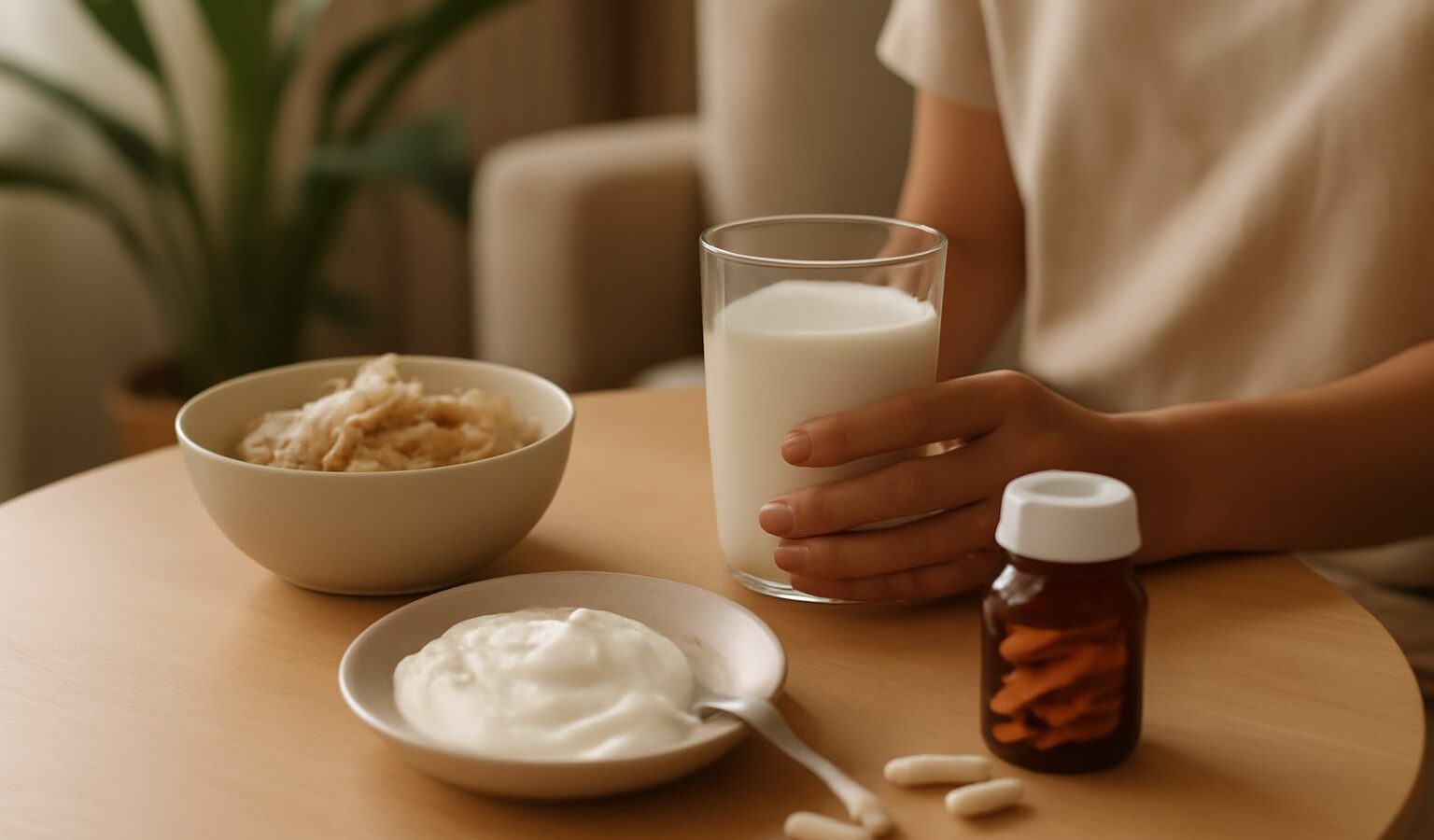
Walk down any pharmacy aisle or scroll your feed and you will see drinks, powders, and capsules promising to “balance your gut” and transform your health. It can be hard to tell what is genuinely useful and what is marketing. This calm guide to probiotics in Singapore explains what gut bacteria actually do, where probiotics come from, and what the evidence does and does not support. This is general information, not medical advice, and the science here is still developing, so treat bold claims with healthy caution and check with a doctor or pharmacist before starting anything, especially if you are unwell.
What Gut Bacteria Actually Do
Your gut is home to trillions of microorganisms, often called the gut microbiome. These bacteria and other microbes help break down parts of your food, produce certain vitamins, and play a role in your digestion and immune system. Researchers are increasingly interested in how this community relates to overall health, and it is a genuinely exciting area of science.
It is important to be honest about where the science sits, though. We are still learning a great deal, and much remains uncertain. There is no single “perfect” gut profile, and the microbiome varies naturally from person to person. So while a healthy, diverse gut community seems generally desirable, claims that a particular product will “fix” your gut or cure unrelated conditions run well ahead of the evidence.
Probiotics and Prebiotics, Explained Simply
Two words come up constantly, and they are easy to mix up. Getting them straight helps you read labels without being dazzled by jargon.
- Probiotics are live microorganisms, the “friendly” bacteria found in some foods and supplements, that may offer benefits when consumed in adequate amounts.
- Prebiotics are types of fibre that feed the helpful bacteria already living in your gut, found in many plant foods.
In everyday terms, probiotics add microbes, while prebiotics feed them. Different probiotic strains do different things, which is why “probiotics” as a blanket term can be misleading. A benefit shown for one specific strain does not automatically apply to every product on the shelf.
Where to Find Them in Everyday Food
You do not need an expensive supplement to include these in your diet. Plenty of ordinary foods available in Singapore contain probiotics or prebiotics, and eating a varied diet is a sensible foundation.
| Food | Type | Where to find it in Singapore |
|---|---|---|
| Plain yoghurt | Probiotic | Any supermarket, look for live cultures |
| Fermented foods like tempeh, miso, kimchi | Probiotic | Supermarkets, Korean and Japanese stores |
| Cultured milk drinks | Probiotic | Chilled aisle, choose lower-sugar options |
| Wholegrains, beans, onions, garlic, bananas | Prebiotic | Wet markets and supermarkets |
| Fruit and vegetables generally | Prebiotic fibre | Everywhere, aim for variety |
A practical takeaway is that a varied diet rich in vegetables, fruit, wholegrains, and some fermented foods tends to support gut health without any special purchase. If you choose cultured drinks or yoghurts, keep an eye on added sugar, since many sweetened versions carry more than you might expect.
What the Evidence Does and Does Not Say
This is where a calm, honest tone matters most. Some probiotics have shown promise in specific situations, and research continues. But the field is still evolving, and marketing often outruns the science. Broad promises that a probiotic will boost immunity, clear your skin, help you lose weight, or cure a condition should be treated with scepticism, because the evidence for such sweeping claims is generally weak or absent.
Products also differ enormously. The strain, the dose, the quality, and whether the microbes survive to reach your gut all vary between brands, and a benefit found in a study does not automatically transfer to a different product. In Singapore, health supplements are regulated by the HSA, and supplements are not medicines, so no product should promise to treat or cure disease. When in doubt, ask a pharmacist and read labels rather than trusting influencer claims.
Simple, Sensible Steps for Gut Health
If you want to look after your gut without overthinking it, the basics are reassuringly ordinary and cost nothing extra.
- Eat a variety of plant foods, aiming for different vegetables, fruit, wholegrains, and legumes.
- Include some fermented foods if you enjoy them, without going overboard.
- Get enough fibre gradually, and drink enough water, which matters in our heat.
- Limit heavily processed foods and excess sugar where you can.
- Be wary of any product promising dramatic or fast “gut reset” results.
Consistency over time does more than any single product. A generally balanced diet is the least glamorous but most reliable way to support the bacteria already working for you.
When to See a Doctor
Probiotics are not right for everyone, and some groups should be cautious. Please speak to a doctor or pharmacist before starting a probiotic supplement if you are pregnant, elderly, seriously ill, have a weakened immune system, or take regular medication, since these situations need individual guidance. Children’s needs also differ, so check first rather than assuming an adult product is suitable.
See a doctor, GP, or polyclinic if you have persistent digestive symptoms such as ongoing diarrhoea, constipation, bloating, or pain, and do not self-treat a lasting problem with supplements. Red-flag symptoms such as blood in your stool, unexplained weight loss, severe abdominal pain, or a high fever need prompt medical attention, and for any sudden severe symptoms you should call 995 or go to A&E. Looking after your gut is worthwhile, but it works best alongside good medical advice, not instead of it.
Explore more
Feeding your gut well starts with everyday fibre, so read our guide to eating more fibre for better health. If you are weighing up what to buy, a simple guide to vitamins and supplements and healthy meal ideas for busy people both pair well with a gut-friendly diet.