
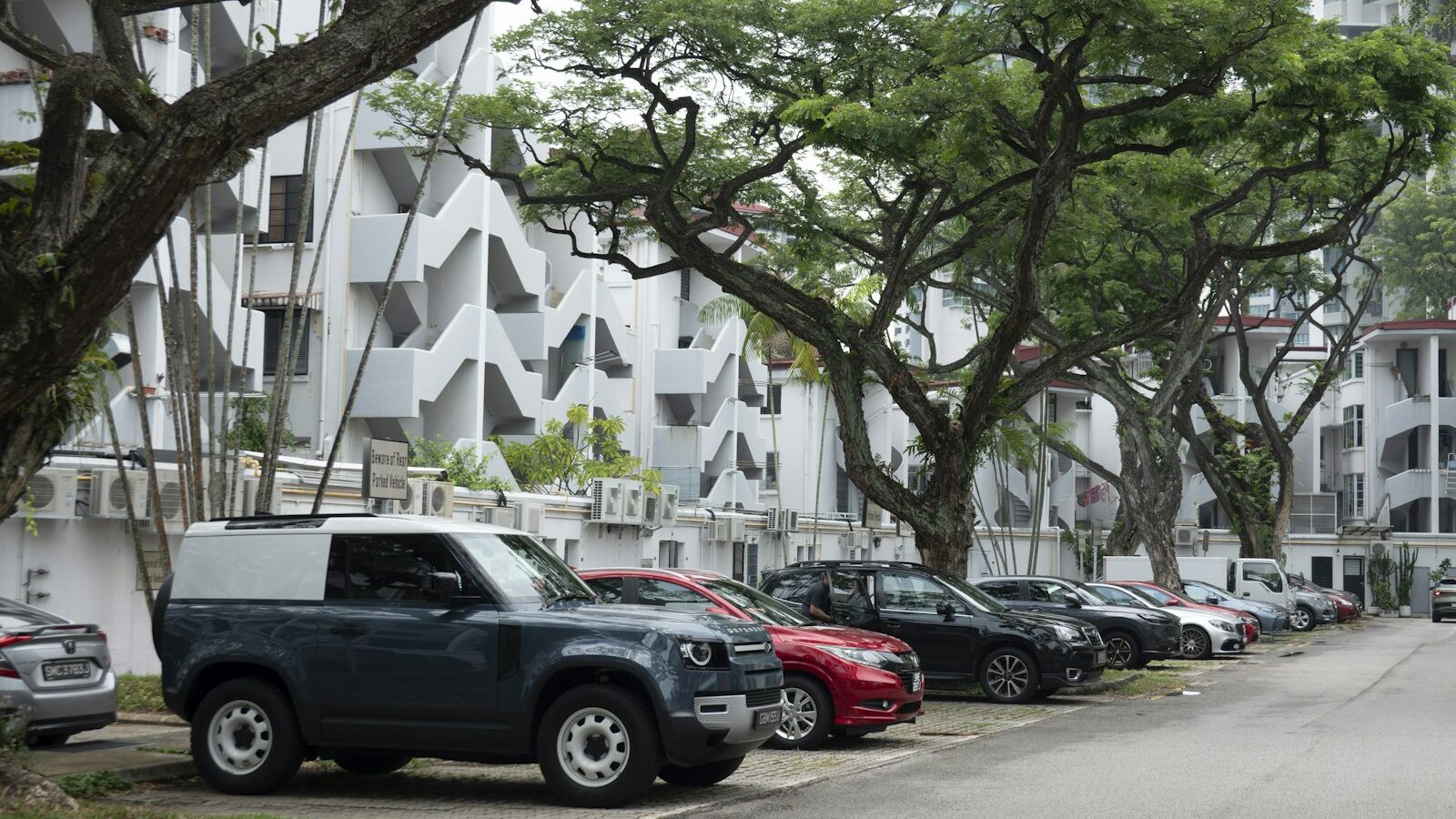
Singapore is a comparatively safe place to own a car, and outright vehicle theft is rare here thanks to strict enforcement, widespread CCTV and the sheer difficulty of moving a stolen car off a small island. That said, rare is not the same as never, and opportunistic break-ins, where someone smashes a window or tries a door handle to grab whatever is on the seat, do happen. Preventing car theft and the more common smash-and-grab starts with a few simple habits that cost nothing and take seconds. This is general guidance to help you protect your vehicle and belongings, not legal or security advice.
The reassuring truth is that most incidents are crimes of opportunity. A thief who sees a bag on the passenger seat, an unlocked door or a quiet, unlit corner is far more tempted than one who sees an empty, locked car in a busy, well-covered carpark. Remove the opportunity and you remove most of the risk.
Never Leave Valuables on Show
The single most effective habit is also the easiest. Do not leave anything worth grabbing where it can be seen through the glass. A visible item is what turns a passing glance into a broken window, and the repair and inconvenience almost always cost more than whatever was taken.
- Take valuables with you. Phones, wallets, laptops, cameras and handbags should come with you, not stay in the car.
- Clear the seats and dashboard. Even loose coins, sunglasses or a shopping bag can tempt someone who cannot tell what is inside.
- Use the boot before you arrive, not after. Move items into the boot at your previous stop. A thief who watches you hide a bag and walk away knows exactly where to look.
- Do not hide things in obvious places. The glovebox, under a seat and the centre console are the first spots anyone checks.
- Remove mounts and cables. A dangling phone cradle or charging cable hints that a device may be nearby.
If the car looks empty and boring, there is little reason for anyone to risk breaking in.
Lock Up Every Single Time
It sounds obvious, yet a surprising number of thefts involve cars that were simply unlocked. Make locking a reflex, not a decision.
- Lock even for a moment. Popping into a shop, paying at the petrol station kiosk or dropping something at a door still means locking the car and taking the key.
- Confirm it actually locked. Listen for the click, watch the indicators flash or check the mirrors fold if your car does that. Radio interference in some carparks can block a key fob signal, leaving the car open when you thought it was secure.
- Close every window and the sunroof. A gap is an invitation and makes reaching in trivial.
- Guard against relay theft. For keyless cars, a signal-blocking pouch, sometimes called a Faraday pouch, stops thieves amplifying your key fob from inside your home. Keep the key away from the front door and windows.
- Never leave the engine running. Idling with the key inside while you dash off, even for a second, is the easiest theft of all.
Building these into muscle memory means you are protected on your worst, most distracted day, not just when you remember.
Park Where It Is Bright, Busy and Watched
Where you leave the car matters as much as how you lock it. Thieves prefer privacy, poor lighting and quick escape routes, so deny them all three.
- Choose well-lit spots. Under a working light in an HDB or shopping mall carpark is far safer than a dark corner.
- Park where there is footfall and CCTV. Cameras and passers-by are strong deterrents. Bays near lift lobbies, entrances or attendant booths tend to be busier.
- Avoid isolated, hidden bays. The quiet top deck of a multi-storey carpark or a lonely surface lot offers a thief cover.
- Mind the kerb and access. A car boxed in and hard to approach unnoticed is less appealing than one beside a convenient exit.
- Think about overnight parking. At home, a season-parking spot within your estate, ideally covered by cameras, beats an unfamiliar public lot.
You cannot always pick the perfect bay, but a few seconds spent choosing a brighter, busier spot pays off.
Add Layers of Deterrence
No single device makes a car theft-proof, but visible obstacles push an opportunist towards an easier target. Deterrence works best in layers, combining something they can see with something that raises the effort and noise.
| Deterrent | How it helps | Keep in mind |
|---|---|---|
| Steering wheel lock | Visible, physical barrier that takes time and effort to defeat | Cheap and simple, but only as good as fitting it every time |
| Car alarm and immobiliser | Noise draws attention; immobiliser blocks hot-wiring | Many cars have one built in; have a workshop check it works |
| Dashcam (front and rear) | Records tampering and deters approach | Hide the cabling; a visible camera also signals the car is watched |
| Signal-blocking key pouch | Stops relay attacks on keyless entry | Only works if the key is actually kept inside it |
| Wheel nut locks | Deters wheel and tyre theft | Keep the special key socket somewhere you will not lose it |
Pick a combination that suits your car and budget. Even one obvious deterrent often sends an opportunist looking elsewhere.
Protect Parts Thieves Target
Beyond the whole car and the items inside, certain components are worth money on their own and can be removed quickly. Awareness helps you park and protect sensibly.
- Catalytic converter. This exhaust part contains valuable metals and can be cut out from underneath in minutes, more so on higher-riding vehicles. Parking close to walls or other cars, choosing covered and monitored carparks, and having a workshop fit a protective shield or marking plate all raise the difficulty.
- Wheels and tyres. Alloy wheels and good tyres are a target on quiet lots. Locking wheel nuts and busy, lit parking help.
- Badges, mirrors and lights. Small trim and lighting units are occasionally taken. There is little you can do beyond parking sensibly, but they are cheaper to replace than a smashed window.
- Number plates. Stolen plates can be used on other vehicles. Anti-theft plate screws are inexpensive. If your plates go missing, make a police report promptly.
If you notice signs of tampering, do not ignore them. Have any cut, loose or damaged part inspected by a qualified workshop, as a compromised exhaust or wheel is a safety issue as well as a security one.
Build the Habits and Report Problems
Preventing car theft in Singapore is less about gadgets and more about consistency. Take your valuables with you, leave nothing on show, lock and check the car every time, and park where it is bright, busy and covered by cameras. Add a visible deterrent or two, and stay aware of the parts that opportunists target.
If the worst happens and your car is broken into or stolen, or you spot someone tampering with a vehicle, make a police report and contact your insurer promptly, keeping any dashcam footage. Report a stolen or damaged number plate too. These steps will not undo the incident, but they protect you afterwards. For most owners, though, the quiet habits above mean the question never comes up, and that steady, boring routine is exactly what keeps a car safe year after year.