
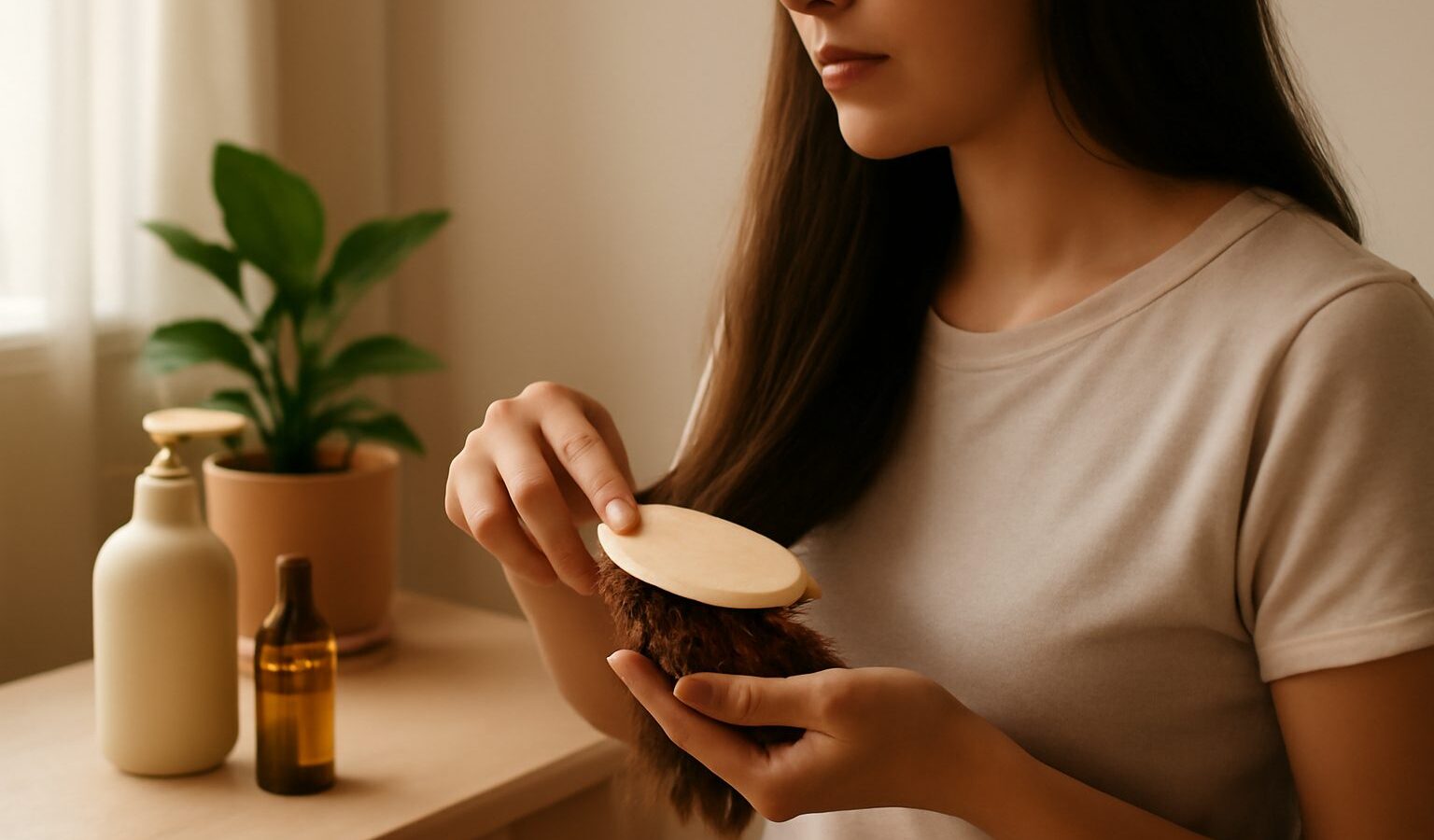
Few hair problems are as stubborn as split ends. You spot one frayed strand, then another, and suddenly the bottom of your hair looks dry and rough no matter how much conditioner you use. If you are battling split ends in Singapore, the honest truth is worth stating up front: once a strand has split, you cannot truly glue it back together. The real solution is prevention, gentle handling and regular trims, with a little temporary smoothing to tide you over.
That may sound discouraging, but it is actually freeing. Once you stop chasing miracle repairs and focus on the habits that keep new splits from forming, your hair looks healthier and grows longer without that ragged, wispy hemline. This guide walks through why splits happen and what genuinely helps.
Why split ends form and why you cannot repair them
Each hair strand is protected by an outer layer called the cuticle, which is a bit like overlapping roof tiles shielding the inner core. Over time, the ends of your hair are the oldest and most weathered part, having endured months or years of washing, brushing, heat and friction. When the protective cuticle wears away at the tip, the strand frays and splits into two or more pieces. That is a split end.
Because the split is physical damage to the structure of the strand, there is no product that can permanently fuse it back into one smooth fibre. Some serums and treatments can temporarily glue the split together and smooth the appearance, which is genuinely useful for looking neat, but the effect washes out and the split remains. Anything promising a permanent repair is overpromising. The only way to truly remove a split end is to cut it off above the damage.
In Singapore, several everyday factors speed up splitting. Constant humidity encourages frizz, which tempts more brushing and hot tool use. Frequent washing in hard shower water, aggressive towel drying, tight hair ties, and long hours under sun or air conditioning all wear at the cuticle. None of these are avoidable entirely, but small changes reduce the damage they cause.
It also helps to know that split ends travel. A split left alone can continue to fray further up the strand, which is one reason ends look progressively worse and why regular trims matter. Removing the damaged tip stops the split from creeping higher and keeps the length you do have looking thick and healthy.
Prevention that actually works
Since you cannot repair splits, your energy is best spent stopping new ones. The good news is that the same gentle habits protect your whole head of hair, not just the ends.
Start with how you handle wet hair, because hair is weakest and most stretchy when it is soaking wet. Avoid rough towel rubbing, which roughens the cuticle. Instead, gently squeeze water out and pat with a soft towel or an old cotton t-shirt. Detangle with a wide tooth comb, working from the ends upward in sections rather than dragging a brush from the roots down.
Heat is one of the biggest culprits behind dry, splitting ends, so always apply a heat protectant before straightening, curling or blow drying, and keep the temperature moderate rather than maxing it out. Give your hair regular breaks from hot tools where you can, and let it air dry when the day allows.
Small daily choices add up. Swap tight elastic bands for soft, snag free ties and avoid pulling styles too tight. Use a silk or satin pillowcase, or wrap your hair at night, to cut the friction that frays ends while you sleep. Keep the lengths conditioned and consider a leave in or light oil focused on the mid lengths and ends, where hair is oldest and driest. In our climate, protecting hair from long, harsh sun exposure with a hat on beach days is a sensible bonus.
The single most reliable habit is the regular trim. A small trim every couple of months removes forming splits before they climb the strand, and counterintuitively this helps hair look longer and fuller over time because you are not left with thin, broken ends. Trims are maintenance, not failure.
| Approach | What it does | Honest expectation |
|---|---|---|
| Regular trims | Cuts off split ends above the damage | The only true fix; stops splits spreading |
| Gentle handling | Reduces friction and cuticle wear | Prevents many new splits from forming |
| Heat protection | Shields strands from hot tool damage | Lowers risk but does not cancel all heat harm |
| Smoothing serums or oils | Temporarily seal and disguise splits | Improves look; washes out, split still there |
| Silk pillowcase | Cuts overnight friction | Small but genuine everyday help |
Managing the ends you have now
While you grow out and trim away existing damage, temporary smoothing keeps things looking tidy. A small amount of lightweight serum or hair oil worked through the ends can seal frayed cuticles for the day, tame frizz and add shine. Use a modest amount so hair does not look greasy, and concentrate it on the ends rather than the roots. These products are cosmetic helpers, not repairs, and that is a perfectly good role for them to play.
Support your hair from wash to wash with a nourishing conditioner every time you shampoo, and a deeper moisturising mask now and then if your ends feel especially dry. Well conditioned hair is more flexible and less prone to snapping and splitting in the first place. If your hair is also chemically treated or bleached, pair this with gentle strengthening care, since damaged hair splits more readily.
Put simply, dealing with split ends in Singapore is about prevention and patience rather than a cure. You cannot un split a strand, but you can stop new splits forming, disguise the ones you have, and trim away the damage on a regular schedule. Do that consistently and your hair will look smoother, feel stronger and grow with a healthier, fuller finish.
Explore more
Heat Styling and Hair Protection in Singapore
Hair Care in Singapore’s Climate
Choosing Shampoo and Conditioner for Your Hair Type
Colouring Your Hair: At Home vs Salon