
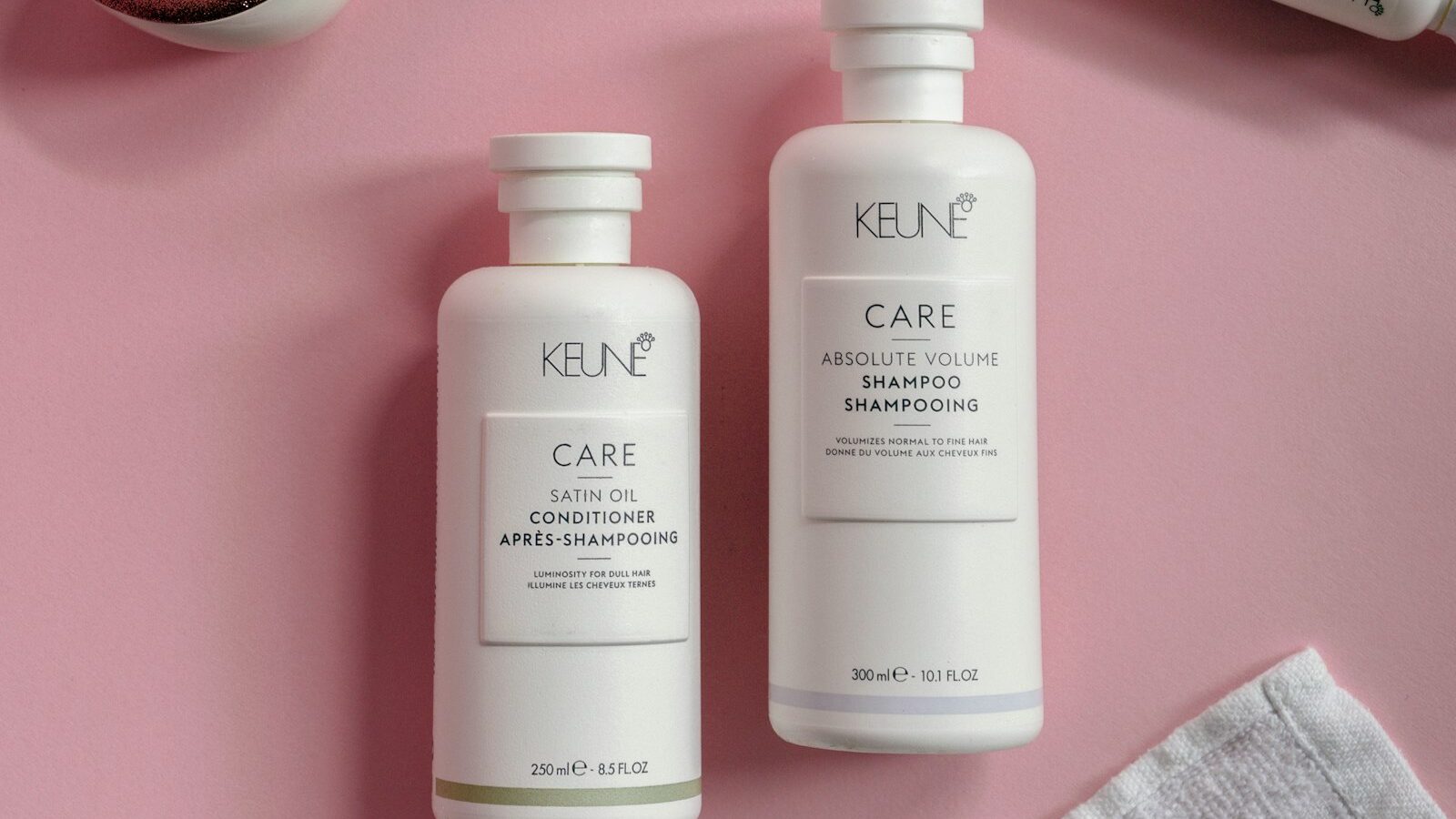
Singapore’s warm, humid weather is lovely for many things, but it can be hard on your hair. Constant moisture in the air, daily sweat, strong sun, and water that leans slightly hard all shape how your hair behaves from morning to night. Good hair care singapore comes down to understanding those local conditions and adjusting a few simple habits rather than chasing an elaborate routine. This guide explains what the climate does to your hair and scalp, how often to wash, how to manage frizz and oiliness, how to protect your hair outdoors, and when a persistent scalp or hair problem is worth showing to a doctor.
This is general information for everyday grooming, not medical advice. If a scalp or hair issue is persistent, severe, or getting worse, please see a doctor or a dermatologist rather than relying on a guide.
How Singapore’s Climate Affects Your Hair
Three things stand out about the local environment. First, humidity. Damp air pushes moisture into the hair shaft, which can make wavy and curly hair swell and frizz, and can leave fine hair looking flat and limp by afternoon. Second, heat and sweat. In a tropical climate you perspire more, and sweat on the scalp mixes with the natural oils your skin produces, so hair can feel greasy and the scalp can feel itchy faster than it would in a cooler place. Third, sun. The same strong sunlight that calls for sunscreen on your skin can, over time, leave hair feeling dry, rough, or faded, especially if it is coloured or chemically treated.
Local tap water is treated and safe, and it sits on the softer side of the scale, though minerals can still leave hair feeling slightly coated for some people. Chlorine from regular pool swims tends to have a bigger drying effect than tap water for most people. None of this is cause for alarm; it simply explains why a routine that worked in a drier climate may need small tweaks here.
How Often to Wash Your Hair
There is no single correct washing frequency. It depends on your scalp, your hair type, how much you sweat, and how active you are. In a humid climate many people find they need to wash more often than they did overseas, simply because sweat and oil build up faster. The goal is a scalp that feels clean and comfortable without stripping it so hard that it turns dry or irritated.
Some general starting points:
- Oily scalp, fine hair, or daily workouts: washing daily or every other day often feels best.
- Normal to combination hair: every two to three days suits many people.
- Dry, thick, curly, or chemically treated hair: less frequent washing helps retain moisture, with a rinse after heavy sweating.
- After heavy exercise or a swim: rinse or wash to clear sweat, salt, and chlorine, which can irritate the scalp if left to sit.
Focus shampoo on the scalp, where oil and sweat collect, and let the suds rinse through the lengths rather than scrubbing the ends. If your scalp feels tight or flaky after washing, you may be washing too aggressively or with something too stripping, so ease off.
Managing Frizz and Oiliness
Frizz and oiliness are the two complaints the local climate produces most, and they pull in opposite directions, so it helps to treat them separately.
For frizz, the aim is to keep the hair shaft smooth and lightly sealed so humidity has less to grab onto. Drying hair gently rather than rubbing it roughly, using a conditioner suited to your hair type, and applying a small amount of a leave-in or lightweight oil to the mid-lengths and ends can all help. Letting hair dry fully before heading into humid air, and avoiding constant high-heat styling, also make a difference over time.
For oiliness, resist the urge to over-wash, which can prompt the scalp to produce even more oil. A gentle, regular cleanse, keeping conditioner away from the roots, and tying long hair up on very sweaty days usually keeps things comfortable. A quick rinse after a workout is often enough between full washes.
Protecting Your Hair Outdoors
Time outdoors under strong sun adds up. You do not need anything elaborate, but a few habits protect hair and scalp:
- Wear a hat or cap, or seek shade, during long stretches outside. This also protects the skin on your scalp and along your parting.
- Rinse hair after swimming to clear chlorine or salt water, which are more drying than a normal day out.
- Tie long hair back on hot, active days so sweat and friction do not rough up the lengths.
- Go easy on tight styles worn day after day, as constant tension and pulling can stress the hair and scalp.
Sun protection for your hair goes hand in hand with sun protection for your skin, so it is worth thinking about them together whenever you plan a day outdoors.
When a Scalp or Hair Problem Needs a Doctor
Most day-to-day frizz, oiliness, and dryness respond to gentler habits and a little patience. Some signs, though, are worth showing to a GP or a dermatologist rather than trying to manage on your own. Treat the table below as a rough guide to sort everyday grooming from something worth getting checked, not as a diagnosis.
| Situation | Usually everyday care | Worth seeing a doctor |
|---|---|---|
| Frizz or flatness from humidity | Yes, adjust products and drying | Only if paired with other scalp symptoms |
| Occasional oily or itchy scalp | Yes, review washing routine | If itching is persistent or intense |
| Mild flaking or dandruff | Often manageable at home | If flaking is heavy, red, or does not settle |
| Noticeable or patchy hair loss | No | Yes, get it assessed |
| Sores, persistent redness, or pain | No | Yes, see a doctor |
See a doctor or dermatologist promptly, as a prompt to get checked rather than a self-diagnosis, if you notice a persistent itchy or painful scalp, heavy or stubborn flaking, redness or sores that do not clear, sudden or patchy hair loss, or any scalp change that keeps getting worse. These can have very treatable causes, and getting them looked at early is always the sensible move.
This article is general grooming information, not a diagnosis or treatment plan. For anything persistent or worrying, please speak with a doctor or dermatologist about your own situation.
Explore more
Healthy hair starts at the scalp, so if flaking is your main concern see our guide to scalp care and dandruff in Singapore, and if you are worried about shedding read our guide to hair loss and thinning in Singapore. Because sun and humidity affect skin as well, our sun protection guide is a useful companion.