
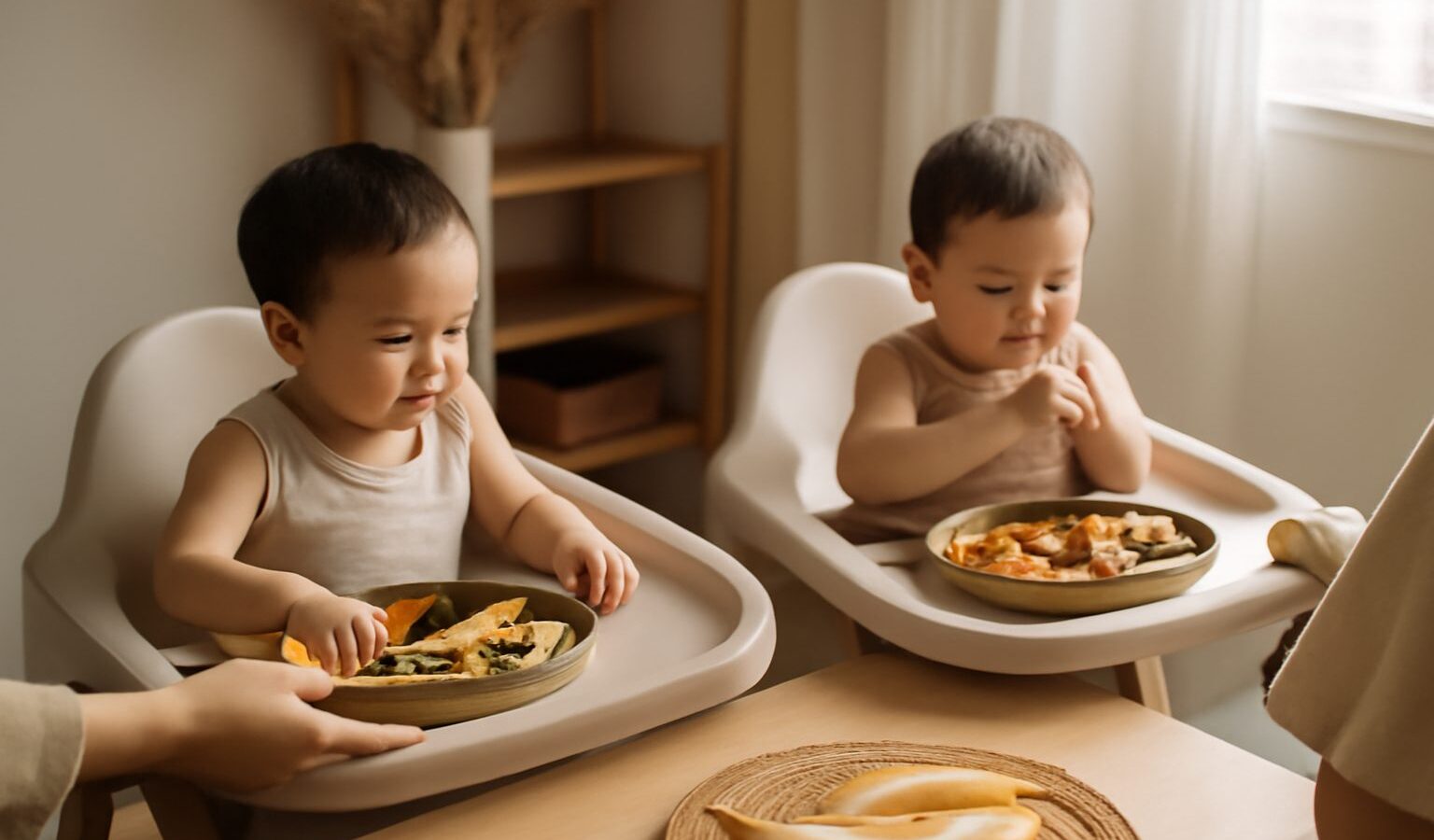
Raising twins Singapore parents will tell you, is a joy and a marathon rolled into one. Two babies at once, or even three, means double or triple the feeds, the nappies and the sleepless nights, alongside double the smiles and firsts. If you are expecting or already in the thick of it, feeling both delighted and overwhelmed at the same time is completely normal. You are doing one of the hardest jobs in parenting, and you deserve real support.
Every set of multiples is different, and there is no single right way to raise them. Some families sail through certain stages and struggle with others. This guide gathers gentle, practical ideas on routines, nurturing each child as an individual, sharing your attention and, crucially, looking after yourself along the way.
Surviving the Early Years
The newborn stage with multiples is intense, and there is no point pretending otherwise. The single most helpful thing many twin parents do is get their babies onto a shared rhythm. When one baby wakes to feed, gently waking the other so they feed at similar times can help you claim precious pockets of rest, rather than being on call around the clock. It feels counterintuitive to wake a sleeping baby, but with multiples it often preserves your sanity.
Accepting help is not a luxury with twins; it is a necessity. Say yes when family, friends or your helper offer to hold a baby, cook a meal or run the washing. Let go of any idea that you should manage it all alone. Parents of multiples who share the load and lean on their support network cope far better than those who try to be heroic.
A few practical habits ease these early months:
- Keep a simple log of feeds and sleeps so you and your partner stay in sync.
- Prepare and freeze meals in advance where you can, or accept meal offers gladly.
- Lower your standards for a tidy home; survival comes first.
- Batch tasks like bath time so both babies are on a similar schedule.
- Rest when they rest, even if the housework waits.
Be kind to yourself during this stretch. The exhaustion is real and temporary. It does ease as your babies grow, start sleeping longer and become a little more independent.
Nurturing Each Child as an Individual
One of the quiet challenges of raising multiples is helping each child grow into their own person. It is easy for the world to see the twins rather than two distinct children, and even loving parents can slip into treating them as a unit. A gentle, ongoing effort to honour each child’s individuality pays off in confidence and a healthier bond between them.
Small choices make a difference here. Where you can, spend a little one on one time with each child, even just a short walk or a bedtime story alone. Let them develop their own interests, friends and preferences rather than assuming they must share everything. Avoid constant comparisons, and try not to cast them into fixed roles such as the clever one and the sporty one, which can quietly shape how they see themselves for years.
The table below contrasts habits that treat multiples as a unit with ones that support each child’s individuality.
| Treating them as a unit | Supporting individuality |
|---|---|
| Always dressing them identically | Letting each choose their own style as they grow |
| Giving the same gift to both | Choosing gifts to suit each child’s interests |
| One shared birthday celebration only | Acknowledging each child’s own moment too |
| Expecting them to share all friends | Letting each form their own friendships |
| Comparing their milestones openly | Celebrating each child’s progress on its own |
None of this means keeping them apart or downplaying their special bond, which is one of the real gifts of being a twin. It simply means holding space for both the shared identity and the individual one, so each child feels valued for who they are.
Questions about schooling often arise too, such as whether to place multiples in the same class or separate ones. There is no universally right answer. It depends on your children’s personalities, how they cope apart, and your school’s approach. A conversation with the school, taking each child’s temperament into account, will serve you better than any fixed rule.
Sharing Your Attention and Staying Sane
With multiples, the feeling that there is not enough of you to go around can be even sharper than in other families. Two or more children needing you at the very same moment is simply part of the deal. You will not always meet every need instantly, and that is not a failing. It is the reality of the job.
What helps is consistency in the small moments rather than perfection. Brief, regular pockets of undivided attention, a cuddle, a shared task, a few minutes of play, reassure each child that they matter. Over the days and weeks these add up, even when any single day feels chaotic. Involving your children in simple routines as they grow, and letting them help one another kindly, can also ease the constant demand on you.
Your own wellbeing genuinely matters here, and not as an afterthought. Parents of multiples face a heavier load, and running yourself into the ground helps no one. Protect your rest where you can, share the parenting fairly with your partner, and accept practical help without guilt. Connecting with other parents of twins or multiples can be a real comfort too, since they understand this particular life in a way others may not.
Do keep an eye on your own mood as well. The demands of multiples can take a toll, and there is no shame in that. If you feel persistently low, anxious or overwhelmed, please speak to your doctor. Likewise, if you have any concerns about a child’s development, growth or behaviour, your paediatrician or your child’s school can offer guidance. Multiples sometimes reach milestones on their own timelines, and a professional can reassure you or offer support where it is genuinely needed.
Raising twins or multiples asks a great deal of you, especially in the early years. But it also offers a rare kind of family life, full of built in companionship and double the love. Go gently on yourself, lean on your support network, and trust that the demanding seasons pass. Your children do not need a perfect parent. They need a loving one who is doing their very best, which you already are.
Explore more
Baby Development and Milestones
Family Bonding Ideas at Home
Work-Life Balance for Working Parents
Toddler Tantrums and Behaviour