
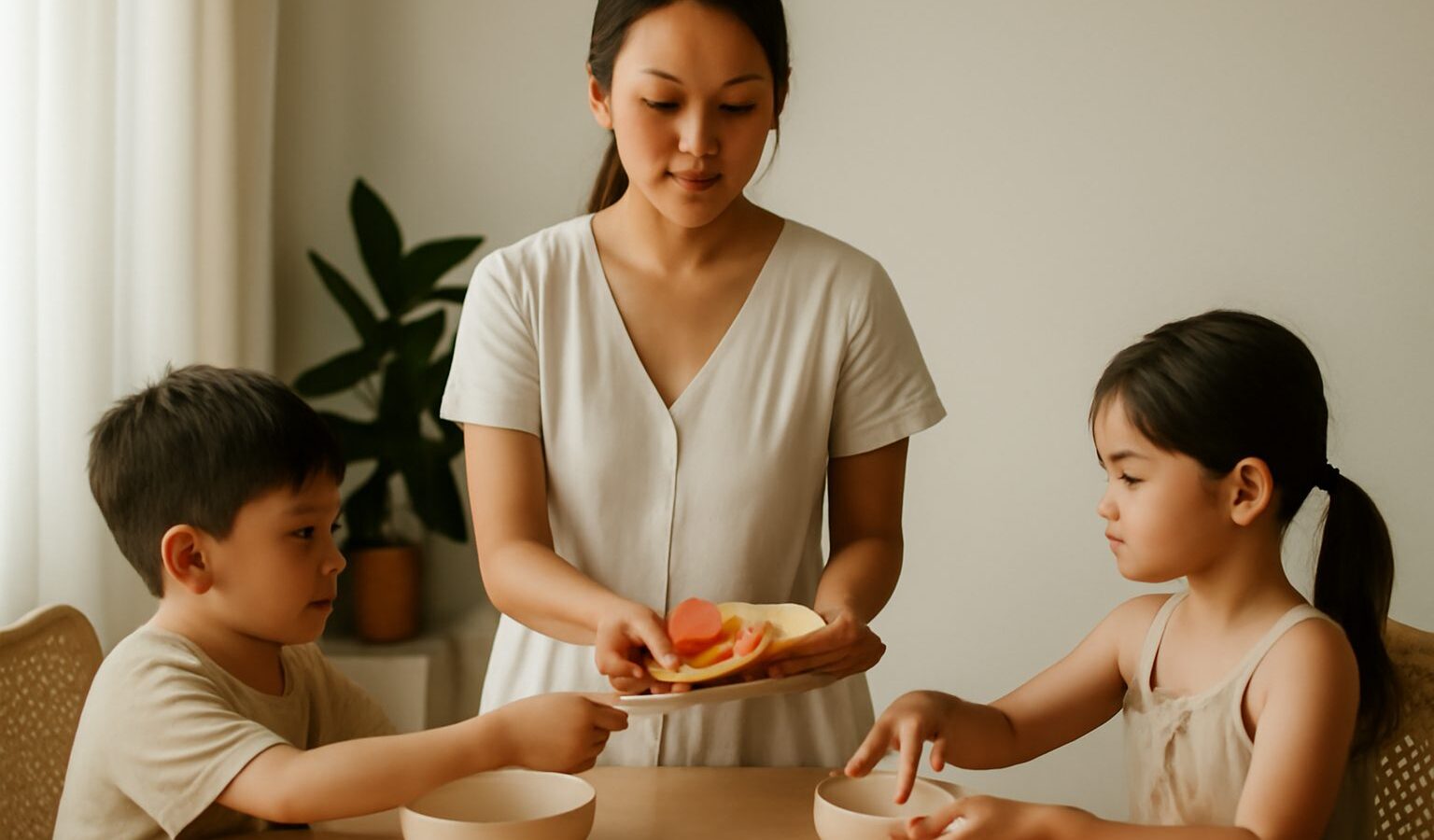
Parenting multiple children Singapore families quickly learn is a very different job from raising one. Suddenly there are competing needs, cries of that is not fair, and the constant, quiet worry that you are somehow shortchanging one child or another. If you have ever lain awake wondering whether you are being fair to each of your children, you are in good company. That worry is a sign of a loving parent, not a failing one.
The reassuring truth is that fair does not mean identical. Trying to treat every child exactly the same, minute for minute and gift for gift, is not only impossible but often unhelpful. Children are different people with different needs. This guide offers gentle, practical ideas for parenting several children fairly, easing sibling rivalry, and sharing your love without keeping a scoreboard. As always, every family is different, so take what fits yours.
Fair Does Not Mean Equal
The single most freeing idea for parents of more than one child is this: fairness is about meeting each child’s needs, not about giving everyone the same thing. A baby needs different things from a ten year old. A shy child needs different support from a bold one. If you handed all of them identical bedtimes, portions and privileges, you would actually be treating them unfairly, because their needs are not the same.
When a child protests that a sibling got more, it helps to respond to the need behind the complaint rather than rushing to even the score. Instead of quickly buying two of everything, you might say, it sounds like you are worried there is not enough for you. There is always enough love for you, and right now your brother needs my help with this. Over time this teaches children that they will each get what they need when they need it, which matters far more than a rigid tally.
This does not mean ignoring genuine unfairness. Children have a sharp sense of justice, and it is worth taking their feelings seriously. The goal is simply to move away from the exhausting and impossible project of perfect sameness, and towards a home where each child feels genuinely seen and valued for who they are.
Easing Sibling Rivalry
Some squabbling between siblings is completely normal and even useful. It is how children practise negotiating, sharing and standing up for themselves. Your aim is not to eliminate every argument, which is unrealistic, but to keep conflict from becoming cruel and to help your children build a bond that lasts.
A few gentle approaches tend to help:
- Avoid comparisons. Comparing children, even in praise, fuels rivalry. Celebrate each child on their own terms.
- Do not always take sides. Where you can, coach them to solve the dispute rather than acting as judge.
- Give each child one on one time. Even short, regular pockets of your undivided attention reduce competition for it.
- Let them have their own identity. Different interests, friends and strengths ease the pressure to compete.
- Set clear limits on unkindness. Disagreement is fine; hurting each other, in words or actions, is not.
It also helps to notice and name the good moments. When your children play well together, share or comfort one another, point it out warmly. Children repeat behaviour that earns a positive response, and this quietly builds a habit of kindness between them.
The table below sums up some helpful and unhelpful moves when tensions rise.
| Do | Don’t |
|---|---|
| Meet each child’s individual needs | Insist everything must be exactly equal |
| Coach children to resolve disputes | Always step in as judge and jury |
| Give regular one on one attention | Compare siblings to each other |
| Name and praise kind moments | Label one the good one and one the difficult one |
| Set firm limits on hurtful behaviour | Ignore cruelty as just how they are |
Spreading Your Love and Attention
One of the hardest parts of raising several children is the feeling that there is never enough of you to go around. A newborn’s constant needs can leave an older sibling feeling pushed aside. A child with additional needs may naturally require more time, leaving you worried about the others. These feelings are real, and they do not make you a bad parent.
Small, consistent moments of connection matter more than grand gestures. A few minutes of undivided attention at bedtime, a shared walk to the shops, or letting one child help you cook can fill their emotional tank in ways that expensive outings cannot. It is the reliability of these moments, rather than their size, that reassures a child they are loved and important.
Involving older children gently in caring for younger ones can also help, as long as it is not a burden. Feeling like a valued big brother or big sister, rather than a forgotten one, can turn potential jealousy into pride. Just be careful not to lean on them so heavily that they lose their own childhood in the process.
Look after yourself too, because parenting several children is genuinely demanding. Share the load with your partner, family or helper, accept help when it is offered, and let go of the idea that you must meet every need perfectly at every moment. You are one person, and doing your best across several children is more than enough.
Finally, keep the long view. You will not divide your time perfectly, and there will be seasons when one child needs far more of you than the others. That is the natural rhythm of family life, not a failure. What your children will remember is not a perfectly balanced ledger, but a home where they felt loved, safe and known.
If sibling conflict feels extreme, persistent or genuinely worrying, or if you are concerned about a particular child’s behaviour or wellbeing, do reach out to your doctor, paediatrician or your child’s school. Support is there, and seeking it is a caring step for the whole family.
Explore more
Family Bonding Ideas at Home
Toddler Tantrums and Behaviour
Parenting Teenagers in Singapore
Teaching Kids and Teens About Money