
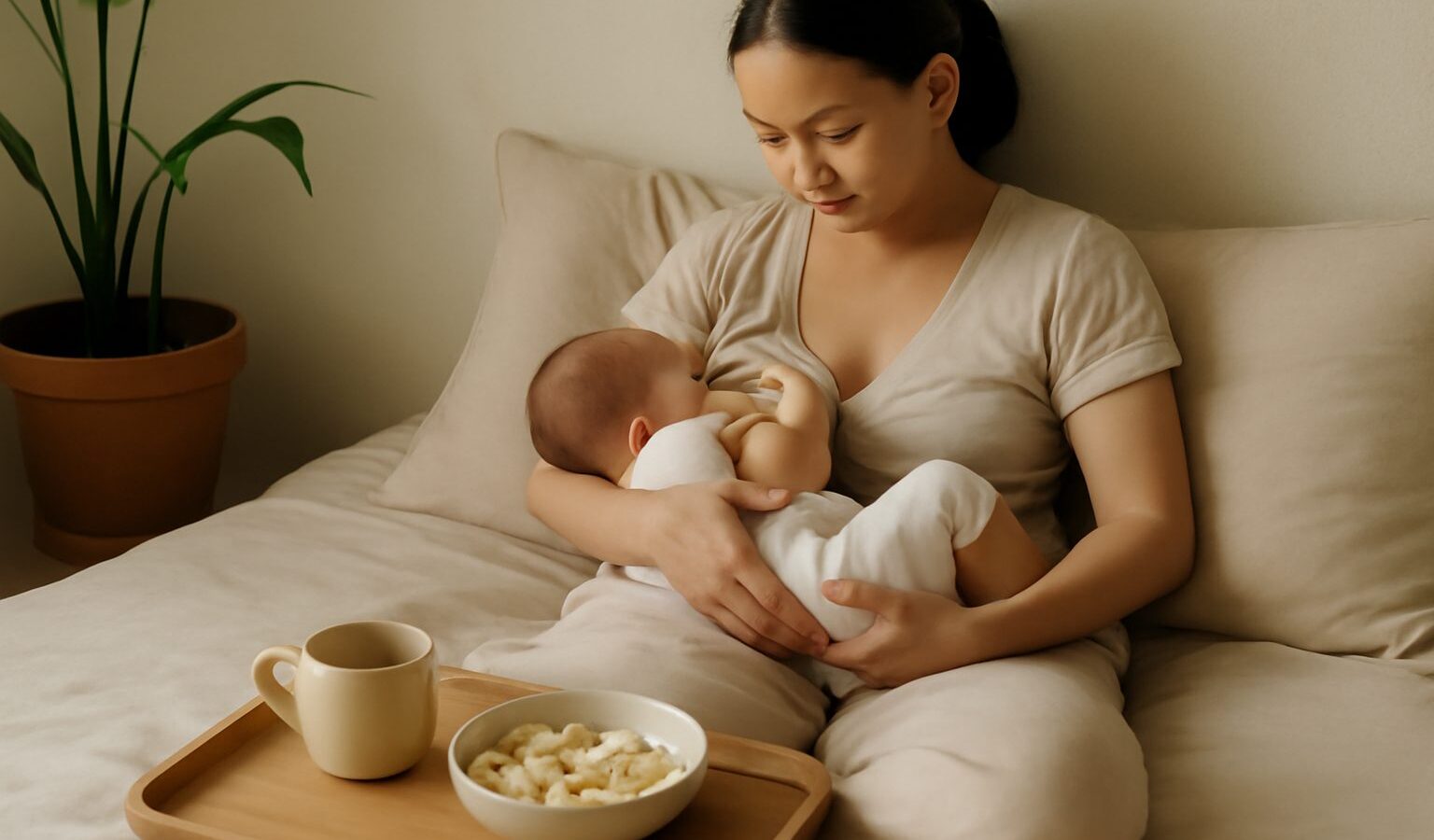
Recovery after birth Singapore mothers go through is a real and important process, yet it often gets far less attention than the pregnancy itself. Your body has done something remarkable, and it needs time, rest and gentle care to heal. This article is a warm, general overview of what to expect and how to look after yourself. It is not medical advice, so please follow the guidance of your own doctor and go for your postnatal check.
There is no prize for bouncing back quickly, and the idea that you should be back to normal within weeks is unrealistic and unkind. Healing happens at its own pace. Being patient with your body is one of the kindest things you can do for yourself and your baby.
What to Expect in the Early Weeks
In the first days and weeks, your body is doing a great deal of repair work. Whether you had a vaginal birth or a caesarean, you will need proper rest to recover well. It is normal to feel sore, tired and tender, and to move more slowly than usual.
Some bleeding after birth, known as lochia, is expected and can carry on for several weeks as it gradually lightens and changes colour. Cramping as your womb shrinks back is also common, especially while breastfeeding. If you had stitches, whether from a tear or a caesarean, the area will feel tender and needs to be kept clean and dry.
This is a good time to lean on the traditions of confinement that many families in Singapore observe. Rest, warm nourishing food and extra help around the home all support healing. Whether or not you follow a formal confinement practice, the underlying idea of resting and being cared for is sound.
Rest, Nourishment and Gentle Movement
Sleep will be broken with a newborn, so grab rest whenever you can rather than saving it all for the night. The old advice to sleep when the baby sleeps is worth taking seriously in these early weeks, even if the housework waits.
Eating well supports your recovery and, if you are breastfeeding, your milk supply. Aim for regular, balanced meals with plenty of fluids. You do not need anything fancy. Warm, easy to digest foods, wholegrains, protein, fruit and vegetables all help. Accepting cooked meals from family or arranging a confinement nanny or tingkat delivery can take a real weight off your shoulders.
Gentle movement, such as short walks once you feel ready, can help your circulation and mood. However, this is not the time for intense exercise. Give your body clearance before doing more, which we cover below. Listen to what your body is telling you and stop if anything hurts.
Your pelvic floor deserves early attention too. Gentle pelvic floor exercises can begin quite soon after birth once you feel comfortable, and they support your recovery from bladder control to core strength. If you are unsure how to do them, or you notice any leaking, a women’s health physiotherapist can guide you. There is no rush and no need to compare yourself to anyone else.
Your Postnatal Check and Emotional Health
A postnatal check, usually around six weeks after birth, is an important appointment and one to keep even if you feel well. Your doctor can check that you are healing properly, discuss contraception, review any stitches or a caesarean scar, and answer your questions. If anything has been worrying you, write it down beforehand so you remember to ask.
Recovery is not only physical. The early weeks can be an emotional rollercoaster, and it is common to feel weepy or overwhelmed at times. If low feelings are severe or last beyond a couple of weeks, please speak to your doctor, as support is available and effective. Your mental wellbeing matters just as much as your physical healing.
When to See a Doctor
Most recovery is straightforward, but it helps to know the signs that mean you should seek medical advice sooner rather than waiting for your scheduled check. Trust your instincts. If something feels wrong, it is always worth getting it looked at.
| Symptom | What to do |
|---|---|
| Heavy bleeding, large clots, or bleeding that gets worse | Contact your doctor or hospital promptly |
| Fever, chills, or a wound that is red, hot or leaking | See a doctor, as this may signal infection |
| Severe pain that is not easing with time | Get it checked by your doctor |
| Leaking urine, or trouble controlling wind or stools | Ask about a women’s health physiotherapist |
| A heavy, dragging feeling in the pelvis | Mention it at your postnatal check |
| Persistent low mood or anxiety | Speak to your doctor about support |
This table is a general guide, not a full list. If you are ever unsure or worried, err on the side of caution and reach out to a health professional.
Being Patient and Kind With Yourself
It is easy to compare yourself to others or to images online of mothers who seem to recover effortlessly. Please remember that healing is not a race, and every body is different. Your worth as a parent has nothing to do with how quickly your body changes.
Try to lower your expectations of what you should achieve in a day. Caring for yourself and your baby is the priority, and everything else can wait or be shared. Accept help when it is offered, and ask for it when it is not. Your partner, family and helper can take on cooking, cleaning and errands while you focus on healing and bonding.
If you feel touched out, exhausted or low, be gentle with yourself. These early months are intense, and they do pass. Slowly, your energy returns, your body settles, and life finds a new rhythm. Give yourself the same patience and compassion you would offer a good friend, and let your body recover in its own time.
Explore more
Postnatal and Confinement Care
Arranging Help for a Newborn
Breastfeeding Support
Baby Sleep and Routines