
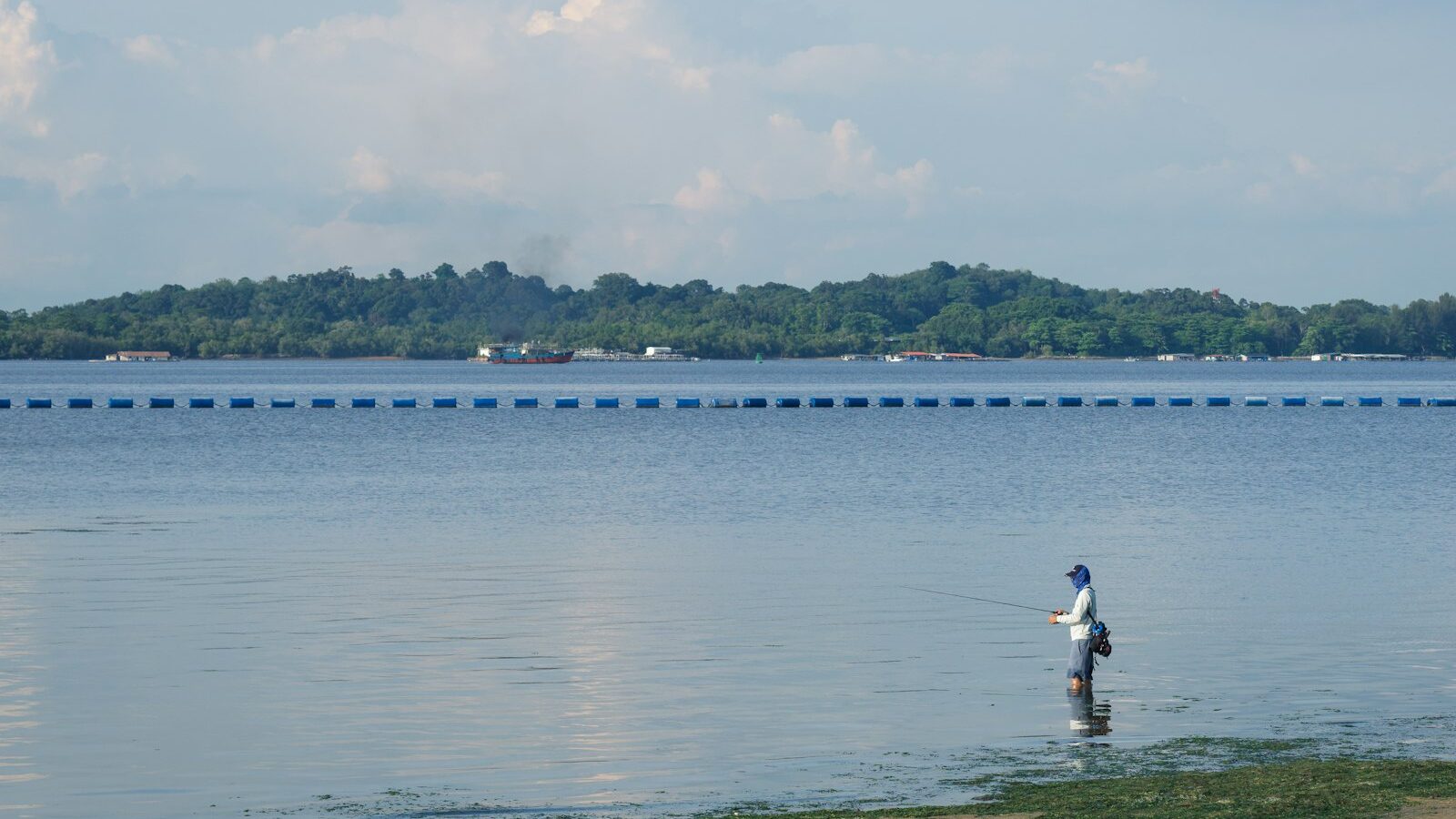
There is something quietly wonderful about standing at the water’s edge at dawn, line in the water, with nothing to do but watch and wait. Recreational fishing is one of the most accessible outdoor hobbies in Singapore. You do not need a boat, a licence for most spots, or expensive gear to get started. You need patience, a simple rod, and a willingness to go home empty-handed some days and grinning the next. This guide walks a total beginner through what fishing here is really like, what you need, where you can legally cast a line, and how to improve without spending a fortune.
Why Recreational Fishing Suits Life Here
Singapore is a small island ringed by water, with reservoirs, canals, coastal jetties, and park connectors that put a fishing spot within easy reach of almost every HDB estate. For many people the appeal is the calm. After a week of screens and deadlines, a few hours by the water resets the mind in a way few hobbies manage. It is also sociable when you want it to be and solitary when you do not.
The hobby scales beautifully. A curious beginner can start with a hand line and a bag of bread. A committed angler can spend years learning tides, lures, knots, and species behaviour. You can fish for half an hour on the way home or make a full morning of it. In a dense city, that flexibility matters. It is a genuine reason to get outdoors, feel the breeze, and pay attention to the natural rhythms that the rest of the week tends to bury.
Be honest with yourself about one thing, though. Fishing rewards patience, not instant results. Some sessions you will catch nothing. If you can enjoy the waiting itself, you will love this hobby. If you need constant action, it may frustrate you at first.
What You Need to Start
You can begin cheaply. A basic beginner outfit is deliberately simple, and you can upgrade later once you know what you actually enjoy.
- A rod and reel combo. A short to medium spinning combo suits reservoirs and jetties and is forgiving for beginners. Buy a starter combo rather than separate parts at first.
- Line, hooks, sinkers, and swivels. A small tackle box of terminal tackle covers most situations. Learn two or three reliable knots early.
- Bait or basic lures. Bread, prawn, or worms work for many local species. Simple soft plastics and small spoons are worth trying once you find your feet.
- The dull but vital extras. A hat, sunscreen, water, a small first-aid kit, pliers for removing hooks, and a bag to carry your rubbish home.
Resist the urge to buy an expensive setup on day one. Borrow or rent if you can, join a beginner outing, and see whether the hobby suits you before you invest. Local fishing tackle shops are generous with advice if you tell them you are just starting and where you plan to fish.
Where You Can Legally Cast a Line
This is the part every beginner must get right, so read it carefully. You may only fish at designated spots, and you must follow NParks rules. Many reservoirs, parks, and waterways either restrict fishing to marked areas or prohibit it entirely to protect wildlife and water quality. Always look for signage on site, respect any posted limits, and never fish where it is not clearly permitted. Rules change, so check the current NParks guidance before you go rather than relying on what a friend told you last year.
A few sensible principles keep you on the right side of the rules and the community:
- Use only the permitted number of rods and follow any catch limits shown.
- Do not fish for or keep protected or undersized species; release anything you are unsure about, gently and quickly.
- Never use cast nets, traps, or methods that are not allowed at recreational spots.
- Take every scrap of line, hook, and packaging home. Discarded line is deadly to birds and otters.
Here is a plain comparison of the main kinds of spots a beginner in Singapore might consider.
| Spot type | Access and vibe | Good for beginners? | Key thing to check |
|---|---|---|---|
| Designated reservoir areas | Calm freshwater, marked zones only | Yes, if you fish only where permitted | NParks signage and permitted sections |
| Coastal jetties and seawalls | Breezy, saltwater, sociable | Yes, easy to reach | Tides, safety near edges, local rules |
| Park connector canals | Convenient, close to home | Sometimes, often restricted | Whether fishing is allowed at all |
| Chartered boat trips | Guided, offshore, more costly | Great for a first proper taste | Reputable operator, safety gear |
Your First Trips and Simple Techniques
Keep your first few sessions modest. Pick a legal, easy-to-reach spot, go at a quieter time, and treat it as practice rather than a mission to catch a monster. Learn to set up your line, tie a knot you trust, cast without tangling, and stay patient.
A gentle progression looks like this:
- Master the basics on dry land. Practise casting and knot-tying at home or in an open space before you are fumbling by the water.
- Start with bait fishing. It is simpler than lure work. Cast out, keep a light touch on the line, and learn to read a bite.
- Watch and learn. Notice the tide, the time of day, and where fish seem active. Fishing is a reading-the-water skill as much as a gear skill.
- Try lures later. Once bait fishing feels natural, experiment with simple lures and retrieves.
- Handle fish with care. Wet your hands, unhook gently, and release quickly if you are not keeping the catch.
Safety deserves a word. Watch your footing on wet jetties and seawalls, keep clear of the water’s edge in wind or swell, mind others when casting, and never fish alone in isolated spots at night without telling someone. The sun and humidity here are no joke, so hydrate and cover up.
Costs, Common Mistakes and Finding Community
Fishing can be as cheap or as expensive as you let it. A starter combo, a little terminal tackle, and some bait cost far less than most hobbies. The money creeps in later with better rods, reels, and lures, so pace yourself and buy for the fishing you actually do.
The most common beginner mistakes are avoidable. Buying pricey gear before you know your style. Ignoring the rules and fishing where you should not. Using line that is too heavy or too light for the spot. Getting discouraged after a slow first outing. And forgetting that clearing up after yourself is part of the hobby, not an afterthought.
To improve, fish regularly, keep a simple log of what worked, and learn from people ahead of you. Singapore has a warm angling community. Tackle shops, community centre interest groups, and local online forums and social media groups are full of people happy to share spots, knots, and encouragement. Ask questions, join a beginner-friendly outing, and you will improve far faster than fishing alone.
If you enjoy quiet time outdoors, you might also like the slow attentiveness of nature journaling and sketching, the patient searching of metal detecting, or a stroll gathering treasures with shell collecting and beachcombing. Start small, respect the rules and the water, and let the hobby unfold at its own gentle pace.