
There is a quiet thrill in laying out a plate of sushi you made yourself. It looks like restaurant work, yet the truth is that sushi making at home is one of the friendliest food hobbies to begin. You do not need a fish market license, a spotless studio or years of training. You need good rice, a few honest ingredients, a little patience and the willingness to make a few messy rolls before the pretty ones arrive. This guide walks you through the whole thing from a total beginner’s starting point, with Singapore realities in mind.
Why Sushi Is a Rewarding Hobby to Pick Up
Sushi rewards care rather than speed, which makes it a lovely wind-down hobby after a long day. It is also deeply social. Setting out bowls of rice and fillings so everyone rolls their own turns a quiet dinner into something people remember. Because so much of sushi is about assembly and seasoning rather than heavy cooking, it suits small HDB kitchens where oven space and hob time are precious.
It is honest about cost, too. Once you own a rolling mat and a decent knife, most of your ongoing spend is rice, seaweed and whatever filling you fancy. You can eat well on vegetables and cooked seafood alone, and save raw fish for the occasions you feel confident sourcing it. Many hobbyists find the calm, repetitive motion of rolling genuinely relaxing, the same appeal that draws people to making pasta from scratch or dumpling making as a hobby.
What You Need to Start
You can begin with very little. The core kit is generic and easy to find at supermarkets, kitchenware shops and Japanese grocers around the island.
- A bamboo rolling mat, often called a makisu. Wrapping it in cling film keeps rice from sticking and makes cleanup faster.
- A sharp knife. A clean, thin blade slices rolls neatly, while a blunt one crushes them. Wipe it with a damp cloth between cuts.
- Short grain Japanese rice, sometimes labelled sushi rice. Long grain and jasmine rice will not hold together the same way.
- Rice vinegar, sugar and salt for seasoning the rice.
- Nori, the dark dried seaweed sheets, plus your chosen fillings.
- A rice cooker if you have one, though a pot on the hob works with attention.
Fillings can be as simple as cucumber, avocado, cooked egg strips, imitation crab, tinned tuna with a little mayonnaise, or blanched prawns. None of these need raw fish, so you can build real skill before you ever touch sashimi.
Getting the Rice Right, Then Your First Rolls
Rice is the heart of sushi, and it is where most beginners either win or struggle. Rinse the rice several times until the water runs mostly clear, cook it, then fold through a warmed mixture of rice vinegar, sugar and salt while it is still hot. Fan it gently as you go so it cools to a glossy, sticky finish. Do not overmix, or the grains turn to paste. Let it come down to a warm room temperature before you build anything.
For your first roll, try a simple maki. Lay a sheet of nori shiny side down on the mat, wet your hands, and press a thin, even layer of rice across it, leaving a clear strip along the top edge. Add a line of filling near the bottom, then lift the mat and roll forwards, tucking and pressing firmly but gently. Dab the bare strip with a little water to seal. Slice with a wet knife.
A few beginner projects worth working through in order:
- Cucumber or avocado maki, to master rice and rolling with no fish worries.
- Inside out rolls with rice on the outside, once your basic roll holds together.
- Temaki hand rolls, cones you assemble at the table, which are forgiving and fun for guests.
- Chirashi, seasoned rice in a bowl topped with your fillings, when you want the flavours without the rolling.
Food Safety and Sourcing Fish Sensibly
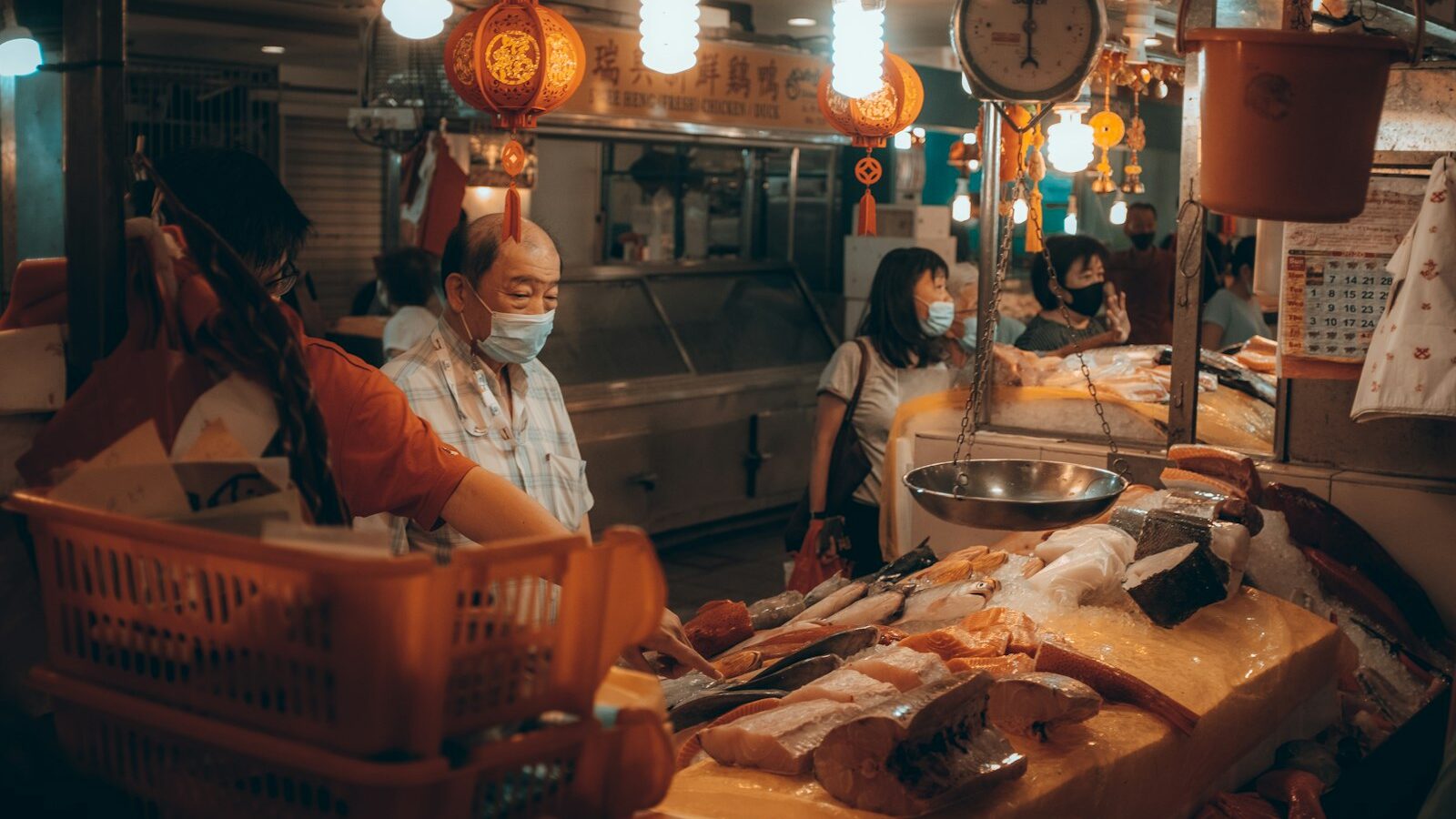
This is the part to take seriously. If you want to serve raw fish, buy fish clearly sold as sashimi grade or sushi grade, keep it very cold, and use it the same day. Do not use ordinary supermarket fish meant for cooking. When in doubt, cook it, or stick to vegetable and cooked seafood rolls, which are genuinely delicious in their own right.
Practise good food hygiene throughout. Wash your hands and boards, keep raw and cooked items apart, and do not leave rice or fish sitting warm for long, especially in Singapore’s heat and humidity, which speed up spoilage. Season and cool rice promptly and refrigerate leftovers quickly. Pregnant, elderly and immunocompromised people, and young children, should be cautious with raw fish and are safer with fully cooked fillings. Flag common allergens to your guests, as sushi often involves fish, shellfish, egg, soy and sesame. None of this is meant to scare you off, only to keep the hobby a happy one.
Common Mistakes, Cost and Space Realities
Most early frustrations trace back to a handful of fixable habits. Here is a quick comparison of where beginners tend to slip and the simple fix.
| Common mistake | Why it happens | Simple fix |
|---|---|---|
| Rolls fall apart | Too much filling or too little rice pressure | Use less filling and press the roll firmly |
| Rice is gluey or hard | Wrong rice or skipped rinsing | Use short grain rice and rinse until clearer |
| Ragged, squashed slices | Blunt or dry knife | Sharpen, then wipe the blade with a damp cloth |
| Bland sushi | Under seasoned rice | Taste and adjust the vinegar mix before rolling |
On cost, the startup is modest. A mat and a knife are one time buys, and the rest is groceries. You can keep sessions cheap with vegetable rolls, then treat yourself to good fish now and then. On space, sushi is kind to small kitchens. You need a clear stretch of counter, a bowl for the rice and somewhere to chill ingredients. There is little smell and little mess beyond a sticky mat, which rinses clean.
How to Improve and Find Community in Singapore
Improvement comes from repetition and small tweaks. Make the same roll several times and pay attention to rice temperature, pressure and how much filling truly fits. Watching a few careful video tutorials helps you see the hand movements that words struggle to describe. Keep notes on what worked.
For community, look to hands on classes and workshops run at community centres, cooking studios and some Japanese grocers, and check current listings and prices yourself as they change. Online, Singapore home cooking and Japanese food groups are welcoming places to swap sources for ingredients and honest feedback on your rolls. Libraries carry Japanese cookbooks that go far beyond the basics once you are hooked. If you enjoy the calm, methodical side of food craft, you might also take to macaron baking for beginners or tea blending at home, which share the same reward loop of small, careful steps adding up to something beautiful.
Start simple, be patient with your first uneven rolls, and enjoy the process. Everyone’s early sushi looks a little wonky, and it still tastes wonderful.