
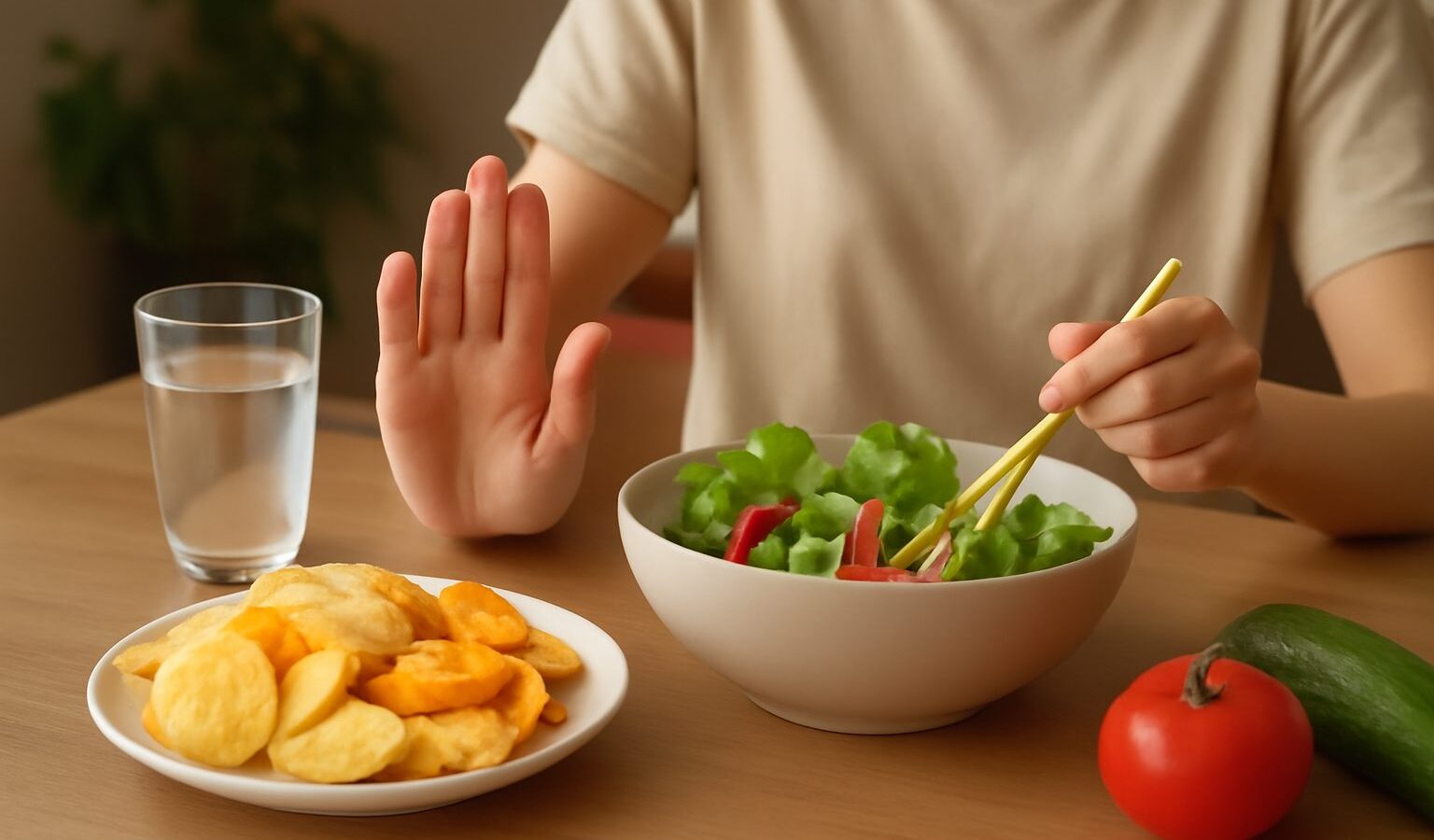
If you have ever glanced at a snack packet with a long list of ingredients you cannot pronounce, you have already met ultra-processed foods. They are convenient, cheap and everywhere in Singapore life, from the drinks chiller at the kopitiam to the instant noodles in your HDB pantry. The good news is that reducing ultra-processed foods does not mean a strict diet or giving up everything you enjoy. It means understanding what these foods are, noticing how often they slip into your day, and making a few realistic swaps that fit a busy Singapore routine.
This is general information to help you eat a little better day to day, not medical or dietitian advice. If you have a health condition, a food allergy, or you are planning a big change to how you eat, please speak to your doctor or an accredited dietitian first.

What Ultra-Processed Foods Actually Are
Almost all food is processed in some way. Washing rice, freezing vegetables, or pressing oil are all forms of processing, and none of them are a problem. The useful distinction is about how far a food has been changed and what has been added along the way.
A rough way to think about it:
- Minimally processed: foods close to their natural state, such as brown rice, fresh fish, eggs, tofu, plain yoghurt, fruit and vegetables.
- Processed ingredients: things like oil, salt, sugar and soy sauce that you cook with.
- Processed foods: simple combinations such as canned beans, wholemeal bread or tinned fish, usually with a short ingredient list.
- Ultra-processed foods: industrially made products with long ingredient lists, often including additives, sweeteners, emulsifiers and flavourings you would never keep in your own kitchen.
Common examples in Singapore include sugary drinks, instant noodles, many packaged snacks and biscuits, nuggets and other reshaped meats, sweetened cereals, and a lot of ready-to-heat meals. None of these are poison, and an occasional one is perfectly fine. The aim is simply to stop them crowding out fresher food.
Why They Are So Easy to Overeat
Ultra-processed foods are engineered to taste good and to be eaten quickly. They are often soft, energy-dense and low in fibre, which is the part of plant foods that helps you feel full. That combination makes it easy to eat a lot before your body signals that you have had enough.
They also tend to be high in what nutritionists call empty calories, meaning they deliver plenty of energy but little of the vitamins, minerals and fibre your body needs. You can read more about this idea in our guide to empty calories and nutrient density. Because they are cheap, heavily marketed and available around the clock through food delivery, they fit neatly into a rushed commute or a late night at work, which is exactly why they build up quietly in the diet.
Spotting Ultra-Processed Foods in Your Trolley
You do not need to memorise chemistry to shop well. Turning the packet over and reading the first few ingredients tells you most of what you need to know. A long list, unfamiliar names, and sugar or refined oils near the top are all clues. The Healthier Choice Symbol and the ideas behind Singapore’s My Healthy Plate can also nudge you towards better everyday picks without counting anything.
The table below shows some familiar swaps. These are examples, not rules, and the fresher choice is not always possible on a hectic day, which is completely normal.
| Everyday craving | Ultra-processed option | Simpler swap |
|---|---|---|
| Something sweet to drink | Canned soft drink or bottled sweet tea | Water, kopi or teh with less sugar, or plain sparkling water |
| A quick lunch | Cup noodles with seasoning sachets | Wholemeal sandwich, or economic rice with extra vegetables |
| An afternoon snack | Packaged biscuits or crisps | Fruit, plain nuts, or yoghurt |
| Breakfast on the go | Sweetened cereal or a pastry | Wholegrain toast with egg, or oats |
| Dinner after a long day | Frozen nuggets and instant sides | Steamed fish or tofu with rice and greens |
Notice that none of the swaps are exotic or expensive. Most are ordinary foods you can buy at any wet market or supermarket.
Simple Swaps That Fit Singapore Life
The realistic goal is progress, not perfection. Small, repeatable changes beat a dramatic overhaul you cannot keep up. A few that work well here:
- Upgrade your drinks first. Sugary drinks are one of the easiest wins. Ask for less sugar in your kopi or bubble tea, and keep a water bottle handy in the heat. See our healthy drinks instead of soft drinks guide for more ideas.
- Add before you subtract. Rather than banning snacks, crowd them out by adding a fruit or a handful of nuts so you arrive at the packet less hungry.
- Cook a little more often. Even one or two home-cooked meals a week reduces how much ultra-processed food you eat. Simple methods matter more than fancy recipes, as our healthy cooking methods at home piece explains.
- Shop with a light plan. A short list and a full stomach make it easier to walk past the promotions. Our healthy grocery shopping tips can help.
- Order smarter on delivery days. When you do order in, look for meals built around rice or noodles with real vegetables and a protein, rather than deep-fried extras.
Building Habits Without Giving Up Joy
Food is part of how we connect in Singapore, from festive reunions to supper with friends, and no sensible approach asks you to skip that. Reducing ultra-processed foods works best when it feels generous rather than restrictive. Keep room for the char kway teow you love, the birthday cake and the festive goodies, and let your everyday meals do the quiet work.
A few mindset shifts help this stick:
- Aim for most, not all. If most of your meals are built around whole and minimally processed foods, the occasional treat is genuinely no problem.
- Watch the trend, not the day. One busy week of instant meals does not undo your progress. Just pick things back up when life settles.
- Make the better choice the easy choice. Keep fruit visible, pre-wash some vegetables, and stock a few quick basics so the fresher option is the least effort.
Restrictive rules and crash diets tend to backfire, leaving you either hungry or guilty. A calm, gradual approach is kinder and far more likely to last. If cutting back leaves you preoccupied with food or feeling stressed, ease off and be gentle with yourself.
When to Get Personalised Advice
This guide offers general principles for healthier everyday eating, not treatment or a prescription. Everyone’s needs differ with age, activity, budget and health. If you live with diabetes, high cholesterol, another medical condition, a food allergy or intolerance, or you are pregnant or breastfeeding, follow the advice of your doctor and, where relevant, an accredited dietitian. For trustworthy general guidance, Singapore’s Health Promotion Board and HealthHub are good starting points.
Reducing ultra-processed foods is a steady habit, not a one-off diet. Start with a single swap this week, let it become normal, then add another. Over time these small choices add up to a way of eating that is fresher, more satisfying and easy to keep.