
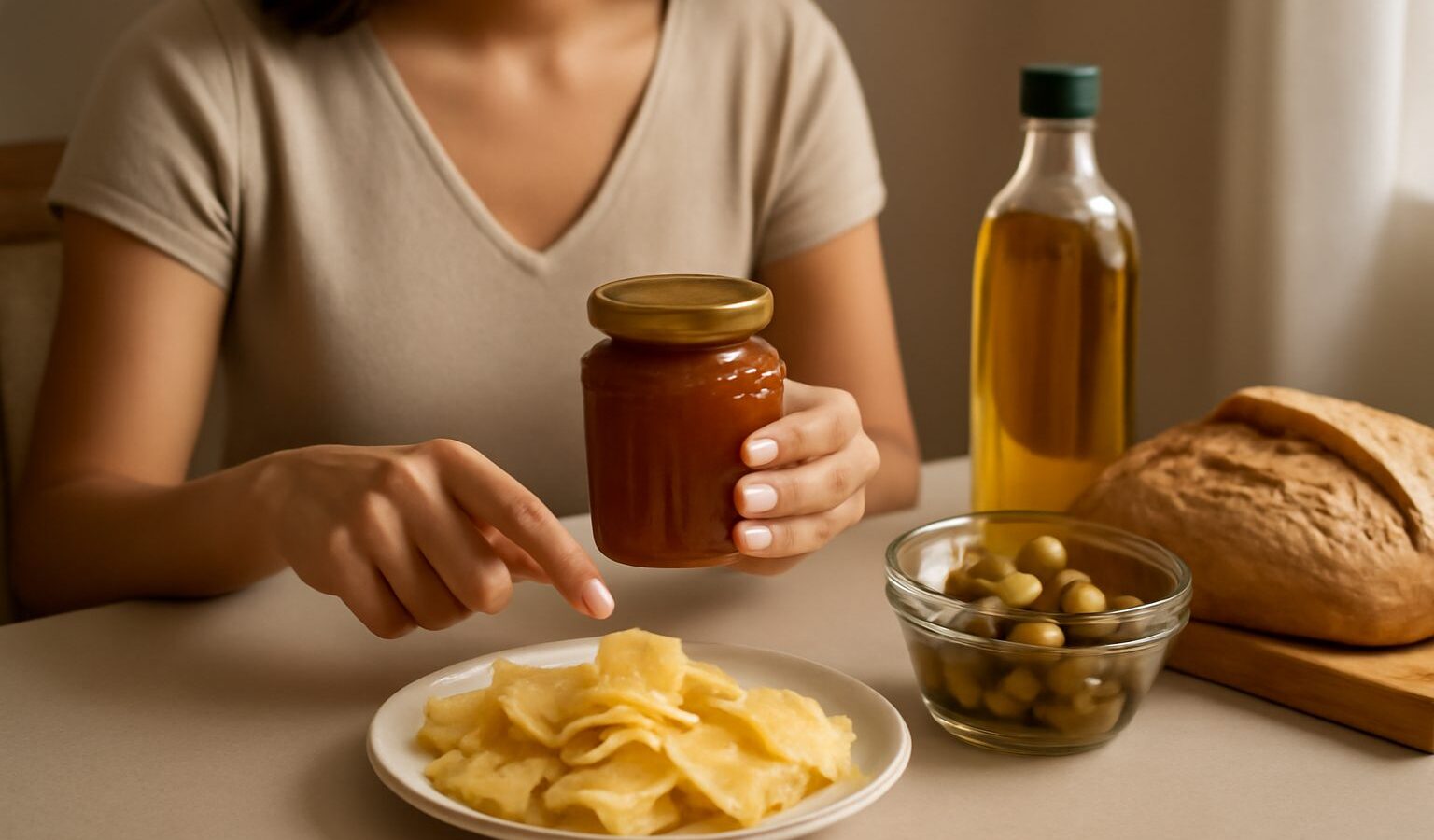
Turn over almost any packet in a Singapore supermarket and you will find a list of ingredients that reads like a chemistry lesson. Emulsifiers, stabilisers, antioxidants, colours and numbers that begin with the letter E can all look alarming. Understanding food additives and preservatives takes a lot of the worry out of shopping, because most of these ingredients do simple, sensible jobs, and knowing what they are helps you decide what belongs in your trolley and what you might buy a little less often.
This is general information for everyday shoppers, not medical or dietitian advice. If you have a food allergy or intolerance, a medical condition, or specific concerns about your diet, please speak to your doctor or an accredited dietitian for guidance suited to you.
What Additives and Preservatives Do
An additive is simply any ingredient added to food for a purpose other than being the food itself. Preservatives are one type of additive, and their job is to slow spoilage so food stays safe and edible for longer. In our hot, humid climate, where food can turn quickly, this matters more than you might think.
Additives generally exist for a few practical reasons:
- Safety: preservatives and antioxidants slow the growth of bacteria and mould, and stop fats turning rancid.
- Texture: emulsifiers, stabilisers and thickeners keep ingredients mixed, smooth or set, so sauces do not separate and ice cream stays creamy.
- Appearance and taste: colours, flavourings and sweeteners make food look and taste the way shoppers expect.
- Nutrition: some foods have vitamins or minerals added back in, such as calcium in certain plant milks.
Many additives are perfectly natural. Salt, sugar and vinegar are among the oldest preservatives of all, and things like citric acid and lecithin come from ordinary foods. The word additive is not a warning label in itself.
The Main Types You Will See on Labels
Ingredient lists usually name an additive by its function, its specific name, or a number. In Singapore and much of the world these numbers follow an international system, sometimes shown with an E prefix, which is just a shorthand code for an approved additive. A number is not a sign of danger; it is simply a standardised name.
Here is a plain-language look at common groups and why they appear.
| Additive group | What it does | Everyday example |
|---|---|---|
| Preservatives | Slow spoilage and keep food safe | Cured meats, sauces, baked goods |
| Antioxidants | Stop fats and oils turning rancid | Cooking oils, crisps, nuts |
| Emulsifiers and stabilisers | Keep ingredients blended and smooth | Ice cream, chocolate, salad dressing |
| Colours | Restore or add appearance | Sweets, drinks, sauces |
| Sweeteners | Add sweetness with little or no sugar | Diet drinks, sugar-free snacks |
Artificial sweeteners deserve a quick word, since they often prompt questions. They let manufacturers cut sugar, which can be helpful, but a sugar-free label does not automatically make a food nourishing. A sweetened biscuit is still a biscuit, so it is best to judge the whole food rather than one ingredient.
How to Read a Singapore Food Label
Labels are more useful once you know how to skim them. Ingredients are listed in order of weight, so whatever comes first makes up the largest share. That single rule tells you a lot at a glance.
A quick, practical routine:
- Read the first three ingredients. These form the bulk of the food. If sugar or a refined oil leads the list, keep that in mind.
- Note the length. A very long list of unfamiliar names usually signals a more heavily manufactured product, which links closely to the idea of ultra-processed foods.
- Check allergen information. Common allergens are highlighted by law, which is essential if you or your family react to certain foods.
- Look for the Healthier Choice Symbol. It offers a quick steer towards options lower in sugar, salt or fat, in line with the thinking behind My Healthy Plate.
- Compare similar products. Two brands of the same item can differ a lot, so a moment’s comparison often finds a simpler recipe.
There is no need to fear every long name. The goal is to shop with a little more awareness, not anxiety.
Are Additives and Preservatives Safe?
Before any additive can be used in food sold here, it has to be permitted by the authorities, and in Singapore that oversight sits with the Singapore Food Agency. Approved additives are assessed for safety and allowed only within set limits, so the everyday products on supermarket shelves are regulated rather than a free-for-all.
That said, a balanced view helps:
- Approved does not mean eat without limit. Additives are judged safe at normal levels of consumption, which is another reason a varied diet, rather than the same processed product every day, is sensible.
- Some people are sensitive. A small number of individuals react to particular additives, such as certain colours, sulphites or the flavour enhancer MSG. If you notice a consistent reaction, note the ingredient and speak to a doctor.
- The bigger picture matters more. For most people the health question is less about any single additive and more about how much heavily processed food fills the diet overall, since those foods tend to be high in sugar, salt and refined fat.
In other words, preservatives are not the villain of the story. They keep food safe and reduce waste. It is worth being thoughtful about the overall balance of your meals rather than fixating on individual ingredients.
Eating with Less Worry
You do not need to avoid every additive to eat well, and trying to do so can make food stressful. A far simpler approach is to build most meals around whole and minimally processed foods, then not fuss over the additives in the occasional convenience item.
Some easy habits:
- Cook from basics when you can. Home cooking naturally uses fewer additives, and you control the salt and sugar. Our guide to healthy cooking methods at home keeps it simple.
- Lean on naturally fresh foods. Fruit, vegetables, eggs, tofu, fish and wholegrains rarely need an ingredient list at all.
- Treat convenience foods as helpers, not staples. They are genuinely useful on a hectic week, and choosing ones with shorter, simpler lists is a reasonable middle ground. Our healthy grocery shopping tips can help you compare.
Getting Personalised Advice
This article gives general, everyday guidance, not medical or dietitian advice, and it is not treatment for any condition. If you have a food allergy or intolerance, a health condition, or you are pregnant or breastfeeding and unsure about a particular ingredient, follow the advice of your doctor or an accredited dietitian. For reliable general information, Singapore’s Health Promotion Board, HealthHub and the Singapore Food Agency are trustworthy starting points.
Understanding food additives and preservatives is really about replacing worry with a bit of knowledge. Once you can read a label calmly, you can make relaxed, sensible choices, enjoy the convenience these ingredients allow, and keep your everyday eating anchored in fresh, whole foods.