
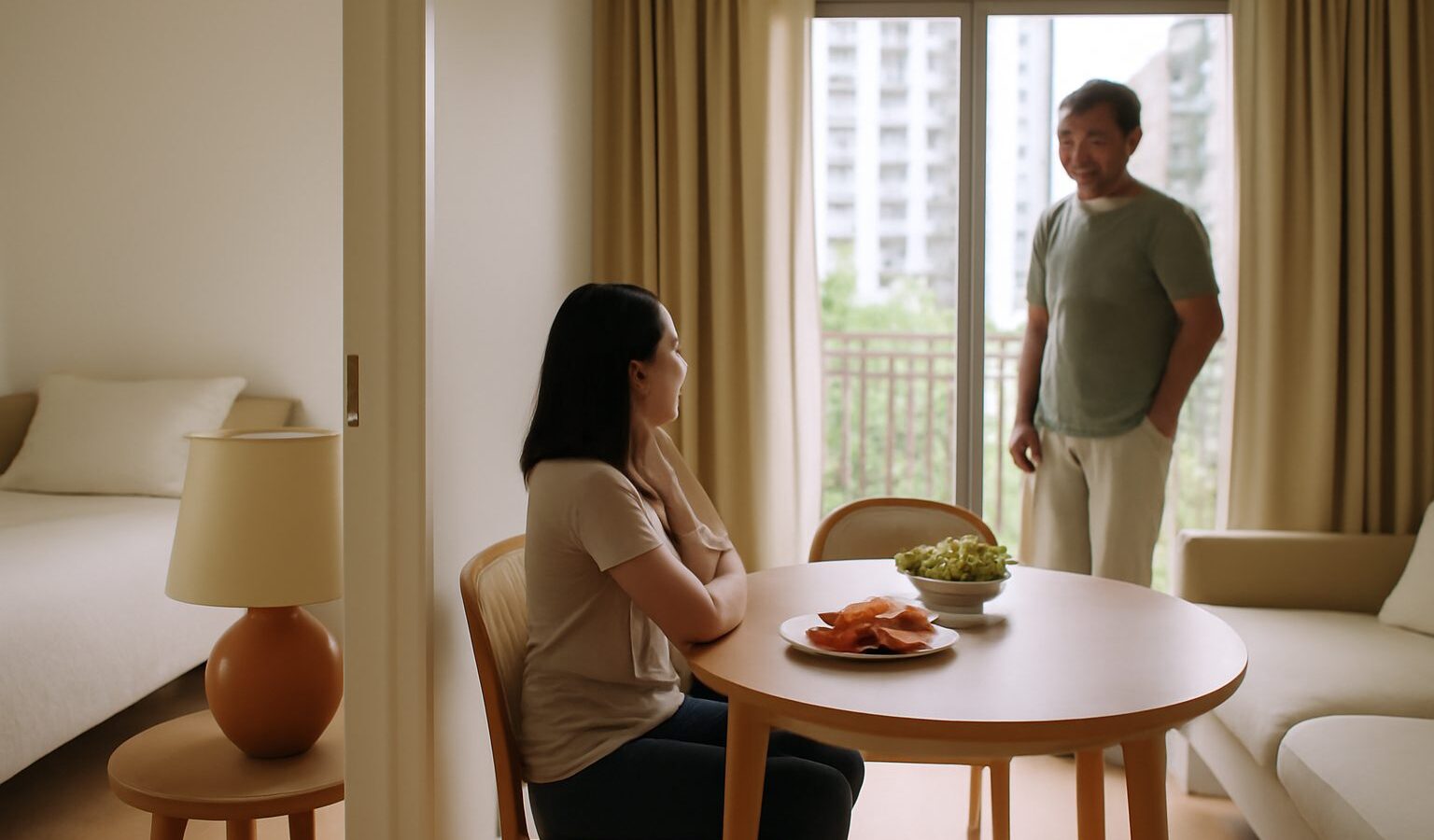
When you rent in Singapore, an early decision is whether to rent a single room in a shared flat or a whole unit to yourself. The choice affects your budget, your privacy and your lifestyle. This guide compares renting a room versus a whole unit so you can pick what fits your situation.
This is a general overview. Rental costs and arrangements vary widely, so treat this as a framework rather than specific advice.
The core trade-off
The heart of the decision is cost versus space and privacy. Renting a room is much cheaper and often more flexible, but you share common areas and live alongside others. Renting a whole unit gives you privacy and full control of the space, at a considerably higher cost. Neither is better in the abstract; it depends on your budget, your stage of life and how much you value privacy.
| Aspect | Renting a room | Renting a whole unit |
|---|---|---|
| Cost | Much lower | Considerably higher |
| Privacy | Shared common areas | Full privacy |
| Flexibility | Often shorter, simpler | Usually a full lease commitment |
| Responsibility | Landlord often handles more | You manage the whole home |
| Social aspect | Live with others | Live alone or with chosen people |
Renting a room
Renting a room suits those who want to keep costs down, value flexibility, or do not mind sharing. It is popular with young professionals, newcomers finding their feet, and anyone prioritising location or savings over space. You typically get your own bedroom and share the kitchen, living area and sometimes a bathroom. The social side can be a plus or a minus depending on your housemates and your preferences. Because the commitment is often lighter, it can be a good first step while you get to know the city.
Renting a whole unit
Renting a whole unit, whether an HDB flat or a condo, gives you privacy and control. You decide how the space is used, who visits, and how it is kept. This suits couples, families, or anyone who values living independently and can afford the higher rent. The trade-offs are cost and responsibility: you generally handle utilities, minor upkeep and the full lease. For those who prize their own space, the premium is often worth it.
Questions to help you decide
- What is my budget, and how much of it am I willing to spend on housing?
- How much do I value privacy versus saving money?
- How settled am I? A newcomer might prefer flexibility, while someone putting down roots may want their own place.
- Who am I living with, if anyone? A partner or family changes the calculation.
- How important is location? Renting a room may let you afford a pricier area you could not rent a whole unit in.
A middle path: co-living
Between the two sits co-living, a more structured form of shared housing where you rent a room in a managed space with shared facilities, often with utilities and amenities bundled. It offers some of the affordability and flexibility of a room with more convenience and community, though at a price that varies. It is worth knowing about as an option, especially for newcomers who want an easy, ready-to-go arrangement.
The takeaway
Choosing between renting a room and a whole unit comes down to your priorities: budget and flexibility on one side, privacy and control on the other. A room keeps costs low and commitment light, which suits savers, newcomers and the socially inclined, while a whole unit gives you your own space at a higher price, which suits couples, families and those who value independence. Consider co-living as a middle path if it fits. Weigh your budget, privacy needs and how settled you are, and you will land on the arrangement that genuinely fits your life in Singapore rather than stretching your finances or your patience.
The rules that shape your choice
Before you weigh cost against privacy, it helps to know that the two options are governed by different regulations, and these can quietly narrow your choices. Renting a room usually means moving into a home someone else already occupies, while renting a whole unit means the property is handed over entirely to you. The rules around who can rent what, and for how long, differ accordingly.
- HDB flats and rooms: Renting out an HDB bedroom or a whole HDB flat is subject to conditions set by HDB, including minimum occupation requirements for the flat owner, caps on the number of occupants, and rules on the citizenship or residency status of tenants. If you are eyeing an HDB room or flat, ask the landlord to confirm the rental is approved and registered. Check the HDB website for the current occupancy limits and tenant eligibility rules.
- Private condos and apartments: Private homes fall under URA guidelines, which also set out minimum stay periods and occupancy caps. Very short lets are generally not permitted, so both room and whole-unit rentals in private property tend to run for a longer minimum term. Refer to URA for the current minimum tenancy period.
- Foreigners and pass holders: Your ability to rent, and sometimes the type of property you may rent, can depend on your immigration status. If you hold a work pass or student pass, confirm your eligibility and keep your documents in order. Check with ICA or MOM for requirements tied to your specific pass.
- The tenancy agreement: Whether you take a room or a whole unit, get the terms in writing. A room rental should still spell out the deposit, notice period, what is shared, and which bills are included. Stamp duty on tenancy agreements is payable to IRAS, so check who is responsible for it and what the current rates are.
Knowing these rules early saves you from falling for a listing you are not actually allowed to take, or signing for a term that is longer or shorter than you expected.
Common pitfalls and the hidden costs
The advertised rent is rarely the full picture, and the gaps differ between a room and a whole unit. Going in with clear eyes on the extras, and on the mistakes people tend to make, will help you compare the two options fairly rather than being swayed by the headline figure alone.
- Utilities and bills: A room rental often bundles electricity, water, internet and even cleaning into the rent, though sometimes with a fair-use cap. A whole unit almost always leaves these to you, so budget for them on top of the rent when comparing.
- Deposits and upfront cash: A whole unit typically asks for a larger deposit, often keyed to the length of the lease, plus advance rent. A room usually needs less upfront, which matters if your savings are tight when you first arrive.
- Assuming a room means fewer rules: Sharing a home means house rules on guests, cooking, noise and use of common areas. Clarify these before you commit, because a mismatch with housemates is the most common reason room rentals sour.
- Underestimating whole-unit upkeep: With a whole unit you handle minor repairs, aircon servicing and general maintenance, and you may be liable for wear that goes beyond normal use. Read the maintenance clauses carefully.
- Not viewing in person: Photos flatter both rooms and units. Visit before paying anything, meet the landlord or existing occupants, and never transfer a deposit for a place you have not seen.
Fold these extras into your sums and you will get a truer comparison. Sometimes a slightly pricier room with everything included works out cheaper and simpler than a whole unit once the bills, deposit and upkeep are counted, and sometimes the reverse is true. The point is to compare the full cost of living in each, not just the number on the listing.
Explore more: Renting in Singapore · Understanding your tenancy agreement · Where to live in Singapore