
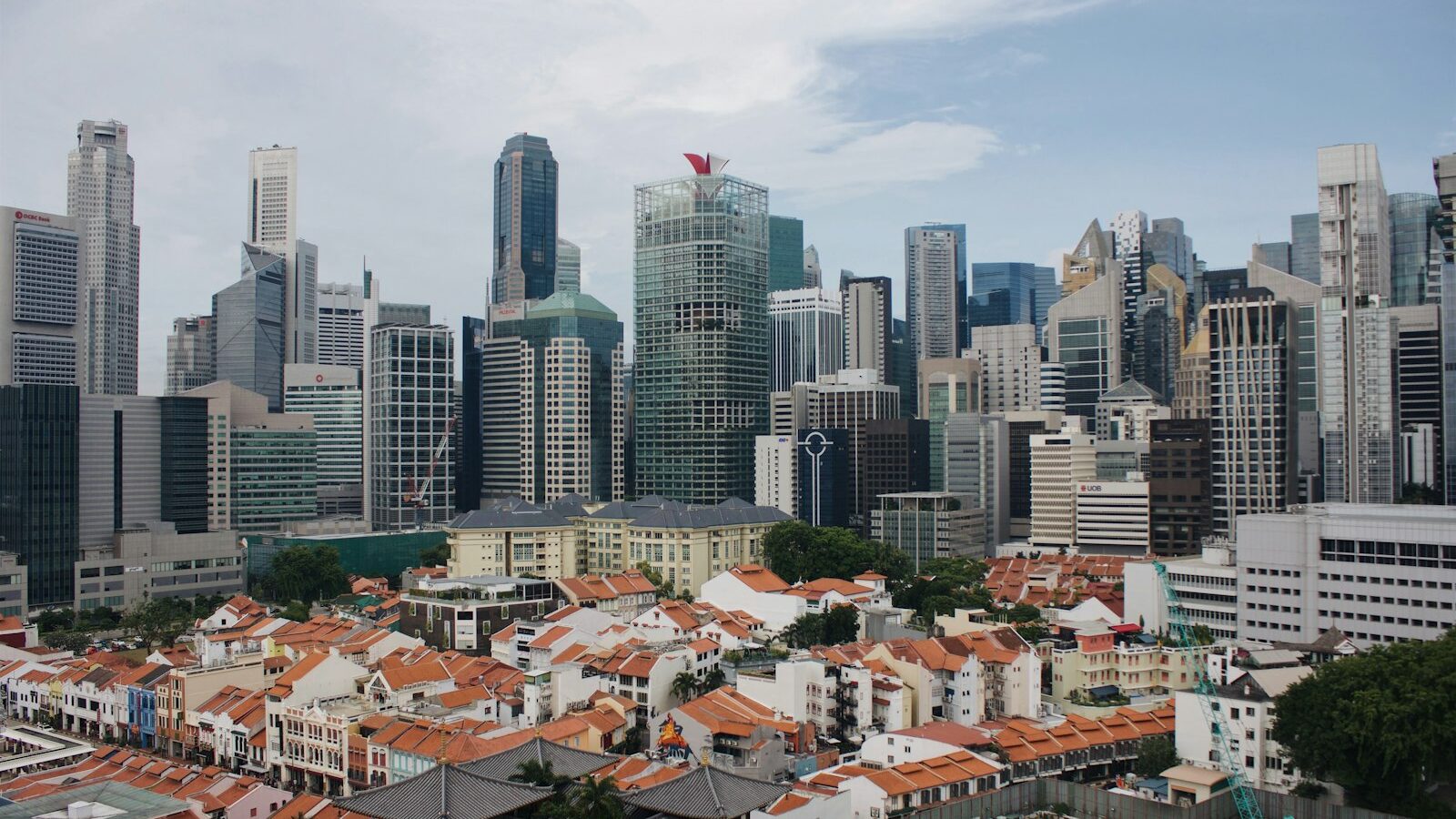
Few decisions shape your first years here as much as where you live and how you pay for it. The renting vs buying Singapore question tends to arrive early, often before you have found your feet, and it carries real money and real feelings. In mainland China, owning a home is frequently tied to marriage, to a child’s school catchment and to a sense of having truly arrived, so the instinct to buy quickly is understandable. Singapore rewards a slower, better-informed approach.
This guide walks through what renting and buying really involve for a newcomer, the practical trade-offs, and the official bodies to check before you commit. It is general information, not financial or property advice. Rules, eligibility and figures change, and treatment differs for citizens, permanent residents (PRs) and pass holders, so confirm the current position with HDB, the Urban Redevelopment Authority (URA), the Inland Revenue Authority of Singapore (IRAS) and, where money is involved, a licensed professional.
Why the Question Comes Up So Fast
When you land on an Employment Pass, an S Pass or as a new PR, housing is one of the first big commitments you face. Rents are visible and immediate, property listings are everywhere, and well-meaning friends may urge you to buy before “prices run away”. The pressure feels similar to the mainland habit of buying early.
Yet a newcomer usually knows very little about which neighbourhood suits their commute, their children’s schooling or their lifestyle. Buying locks you into an area and a large financial position before you have that knowledge. Renting first buys you time to learn the city, and time is often the most valuable thing a new arrival can give themselves.
What Renting Really Gives You, and Costs You
Renting is how most newcomers start, and for good reason. You can move in relatively quickly, test a neighbourhood, and leave when your circumstances change. It suits anyone whose stay is uncertain, whose job might relocate, or who simply wants to understand Singapore before putting down roots.
The trade-offs are worth naming honestly:
- Flexibility over ownership. You are not tied to one district, and you avoid the costs of buying and selling. In return, you build no equity and live by your landlord’s terms.
- Lower upfront outlay, ongoing cost. A tenancy typically needs a deposit and advance rent rather than a large downpayment, but the monthly rent is money you do not get back.
- Rules to know. Whole-flat and room rentals, minimum tenancy periods and occupancy caps are regulated. Confirm current rules with HDB for public housing and URA for private property, and read your tenancy agreement carefully before signing.
- Everyday practicalities. Set up utilities, check what furnishing is included, and use official or reputable channels rather than paying deposits to anyone you cannot verify. Rental scams do target newcomers.
What Buying Involves for Newcomers and PRs
Buying is a much larger step, and eligibility is the first gate, not the price. Foreigners and PRs face different rules from citizens, and those rules are set by policy, not by the seller.
A few realities to understand before you fall for a listing:
- Eligibility differs by status. New HDB flats and many resale options have citizenship and household conditions. PRs may buy certain resale flats only after meeting conditions, and foreigners are generally restricted, especially for landed homes. Check the current position with HDB and, for private property, URA and the Singapore Land Authority (SLA).
- Additional Buyer’s Stamp Duty (ABSD). Singapore applies stamp duties on property purchases, and ABSD rates differ by residency status and by how many properties you own. These rates are set by IRAS and change from time to time. Do not rely on a figure you read on a forum; confirm the current rate with IRAS before you budget.
- Financing and CPF. Loan limits, downpayment rules and how the Central Provident Fund (CPF) may be used all have conditions that differ for PRs and citizens. Verify current rules with the CPF Board and your MAS-regulated bank, and consider a licensed financial adviser.
- Total cost is more than price. Legal fees, valuation, agent commission, renovation and ongoing maintenance all add up. A property is illiquid, so selling in a hurry can be costly.
Engage a licensed property agent registered with the Council for Estate Agencies (CEA) and check their registration before you sign anything.
Renting vs Buying at a Glance
The table sums up the practical differences. Treat it as a starting point, then verify the specifics for your status with the official bodies named.
| What to weigh | Renting | Buying |
|---|---|---|
| Upfront money | Deposit and advance rent | Downpayment, stamp duties, legal and agent fees |
| Flexibility | High, easy to relocate | Low, selling takes time and cost |
| Eligibility by status | Open to most pass holders | Restricted; differs for foreigners, PRs, citizens |
| Building equity | None | Possible over time, not guaranteed |
| Who to check with | HDB, URA, your tenancy terms | HDB, URA, SLA, IRAS, CPF Board, a CEA agent |
The Rules and Bodies to Check Before You Decide
Singapore’s housing system is rule-based and well documented, which is good news for a careful newcomer. Public housing sits with HDB; private property planning and rules sit with URA; land and title matters with SLA; stamp duties and property tax with IRAS; and CPF usage with the CPF Board. Estate agents are licensed through CEA.
Because PR and citizen treatment genuinely differs, and because ABSD rates, loan limits and eligibility conditions are reviewed and changed by policy, never assume a rule you heard last year still holds. A short visit to the official websites, or a call to the relevant body, is worth more than any confident opinion at a dinner table. For anything touching your finances, speak to a MAS-regulated bank or a licensed adviser rather than acting on general reading.
A Calm Way to Reach Your Own Answer
There is no single correct choice, only the one that fits your situation. A sensible sequence looks like this. Rent first in an area near your work or your children’s likely school, and use that time to learn how the city actually lives. Track your real monthly costs and savings honestly. Confirm your eligibility and the current ABSD position with IRAS and HDB or URA before you even shortlist a property. Only then decide whether buying serves your plans, your length of stay and your finances.
Settling well is a season, not a single purchase. Give yourself room to understand renting vs buying in Singapore on your own terms, lean on the official channels, and let the decision come when you are genuinely ready rather than when the pressure peaks.
Explore more
Housing is one thread in a bigger move, so read alongside our guides on what to pack when moving from China to Singapore and, when the time comes, moving your family over after you settle in Singapore. If a partner will join you, our overview of bringing your spouse on a Dependant Pass is a helpful next step.