
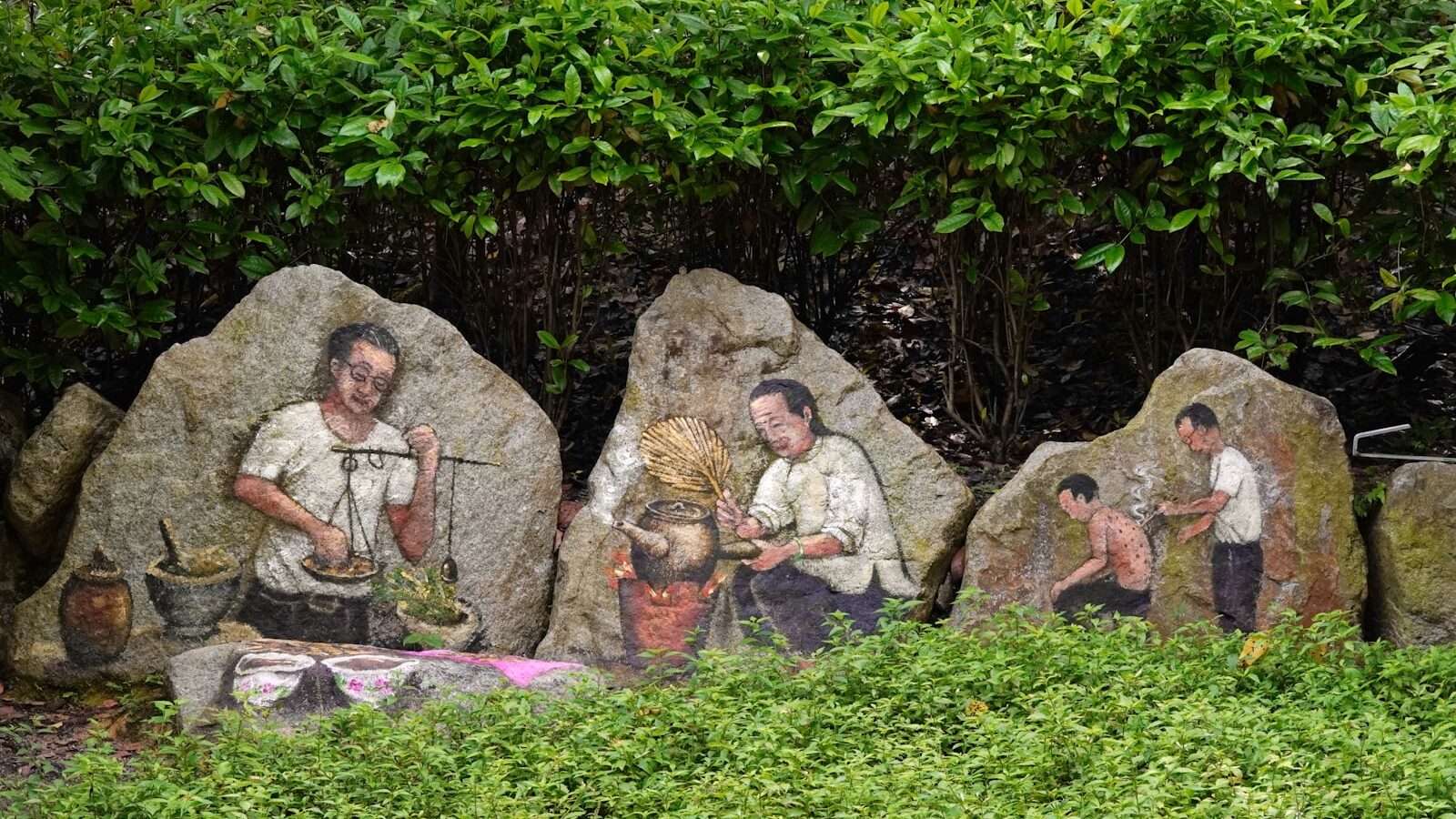
Few hobbies are as gentle on your wallet and your nerves as rock and pebble painting. You take a plain stone, add a few dabs of colour, and suddenly it is a ladybird, a tiny landscape, or a cheerful word to leave on a park bench. There is no expensive kit, no special room, and almost no learning curve before you make something you are proud of. If you have ever wanted a creative outlet that fits on a coffee table and packs away in a shoebox, this is a lovely place to begin.
This guide walks you through what the hobby is, what you actually need, your first simple projects, the mistakes most beginners make, and how to keep going once you are hooked.
What Rock Painting Is and Why People Love It
At its simplest, rock painting means decorating smooth stones with acrylic paint or paint pens. Some people paint realistic animals and mandalas; others keep it loose with dots, patterns, or a single kind word. The results might sit on a shelf, become a paperweight or fridge magnet, or get tucked into a garden.
The appeal is easy to understand. It is affordable, forgiving, and quick. Unlike a large canvas that stares at you for weeks, a pebble can go from blank to finished in an evening. It is also wonderfully meditative. The repetitive dotting and small, contained surface give your mind something soothing to settle into, which is why so many people treat it as a wind-down ritual after work.
There is a warm community side too. The “kindness rocks” movement, where people paint uplifting designs and leave them in public for strangers to find, has a quiet following here. Many painters simply enjoy gifting their stones to friends or brightening up their own plant pots.
It also pairs naturally with other slow, tactile crafts. If you enjoy the calm of this, you may like air-dry clay sculpting or the mindful observation of nature journaling and sketching.
What You Need to Start
The barrier to entry is genuinely tiny. Here is the honest starter list.
- Stones. Smooth, flattish pebbles are easiest to paint. River stones and rounded pebbles hold paint better than rough, porous ones.
- Acrylic paint or acrylic paint pens. Pens are the friendliest entry point for beginners because they give you control without brush skills. A small set of basic colours plus black and white goes a long way.
- A few brushes. A fine detail brush and one medium round brush cover most needs if you prefer paint over pens.
- A pencil. For lightly sketching your design first.
- A sealant. A clear varnish or spray sealer protects the finished piece, especially if it will live outdoors.
- Newspaper or an old tray, plus a jar of water and a cloth.
A quick word on sourcing stones. It is tempting to grab pebbles anywhere, but do not remove stones from national parks, nature reserves, or heritage sites, and follow NParks signage at beaches and reservoirs, as collecting is restricted in many places. Garden centres and aquarium or landscaping suppliers sell smooth pebbles cheaply and legally, which is the simplest route. If you enjoy hunting for the perfect stone, read up on shell collecting and beachcombing first so you know what you may and may not pick up.
Your First Simple Projects
Resist the urge to attempt a photorealistic cat on day one. Build confidence with small wins.
- Dot mandalas. Using the wrong end of a paintbrush, a cotton bud, or a proper dotting tool, press evenly spaced dots in circles radiating from the centre. It looks impressive and needs zero drawing skill.
- Simple animals. A red oval with black dots becomes a ladybird. A grey blob with a few lines becomes a sleepy cat. Keep shapes bold and cartoonish.
- Word rocks. Paint the stone one solid colour, let it dry, then write a short word or phrase on top. Great for gifts.
- Patterns and stripes. Geometric bands, chevrons, and simple florals teach you steady lines.
Always paint a base coat first, let each layer dry fully, and seal at the very end. Patience between coats is the single biggest difference between a muddy mess and a crisp finish.
Common Beginner Mistakes
Everyone stumbles on the same few things, so you can skip the frustration.
- Skipping the base coat. Painting straight onto a dark, uneven stone makes colours look dull. A white or light base makes everything pop.
- Rushing the drying. Acrylic feels dry fast but smudges if you rush. Give it real time between layers.
- Overloading the brush. Thin, patient coats beat one thick, gloopy one.
- Forgetting to seal. An unsealed rock left outdoors fades and flakes within weeks in our sun and rain.
- Choosing bad stones. Rough or crumbly rocks fight you the whole way. Smooth wins.
Cost, Space, and Safety in an HDB Flat
This is one of the most HDB-friendly hobbies going. You need only a corner of a table, and everything stores in a single small box. There is no noise to bother neighbours and no permanent setup, so it suits shared flats and rented rooms perfectly.
Costs are modest. A basic set of paint pens or a few tubes of acrylic, a couple of brushes, and a bottle of sealer will see you through many projects, and the stones themselves cost little or nothing. Do check current prices at craft and art shops rather than trusting any figure, as they vary.
A few sensible safety notes. Acrylic paint is water based and low risk, but wash your hands after painting and keep paints and small stones away from young children and pets, who may put them in their mouths. Sealants are where care matters most: spray varnishes give off fumes, so use them outdoors or at an open window with good ventilation, never in a closed bathroom, and follow the label. Our heat and humidity also mean paint and sealer take longer to cure, so allow extra drying time, especially before monsoon season.
If you plan to leave painted rocks in public as gifts, be considerate. Do not place them in nature reserves or on managed park planting, keep them out of drains and waterways, and use non-toxic, well-sealed paint so nothing harmful leaches into soil.
Comparing Your Main Colouring Options
Beginners usually agonise over paint versus pens. Here is how the common choices stack up.
| Option | Ease for beginners | Best for | Watch out for |
|---|---|---|---|
| Acrylic paint pens | Very easy | Dots, outlines, words, fine detail | Nibs can dry out or clog if uncapped |
| Tube acrylics and brushes | Moderate | Blending, backgrounds, larger designs | Needs brush control and steady drying |
| Posca-style water-based markers | Very easy | Bright, opaque layering | Cost adds up for a full colour range |
| Oil-based markers | Moderate | Glossy, weatherproof finish | Fumes, slower drying, ventilate well |
Most people start with water-based paint pens for control, then add tube acrylics once they want to blend backgrounds and paint larger scenes.
How to Improve and Find Your People
Progress comes from volume and gentle challenge. Paint often, try one slightly harder design each time, and keep a “practice pile” of stones you are not precious about. Follow tutorials for techniques like blending, shading, and clean dotting, and study how other painters build up layers.
For inspiration and company, look to community centre craft workshops, art jamming studios that sometimes run rock painting sessions, and library holiday programmes, which frequently include family-friendly painting. Online, local craft groups on social media share designs, swaps, and meetups. If a wider creative circle appeals, crafters who paint rocks often also dabble in paint-by-numbers and decoupage, so the same community centres and shops will keep feeding your interest.
The beauty of rock and pebble painting is that you can start tonight with a stone from a garden centre and a single pen. There is no wrong way to begin, no expensive commitment, and a finished little treasure waiting at the end of every quiet evening. Pick up a pebble and see where it takes you.