
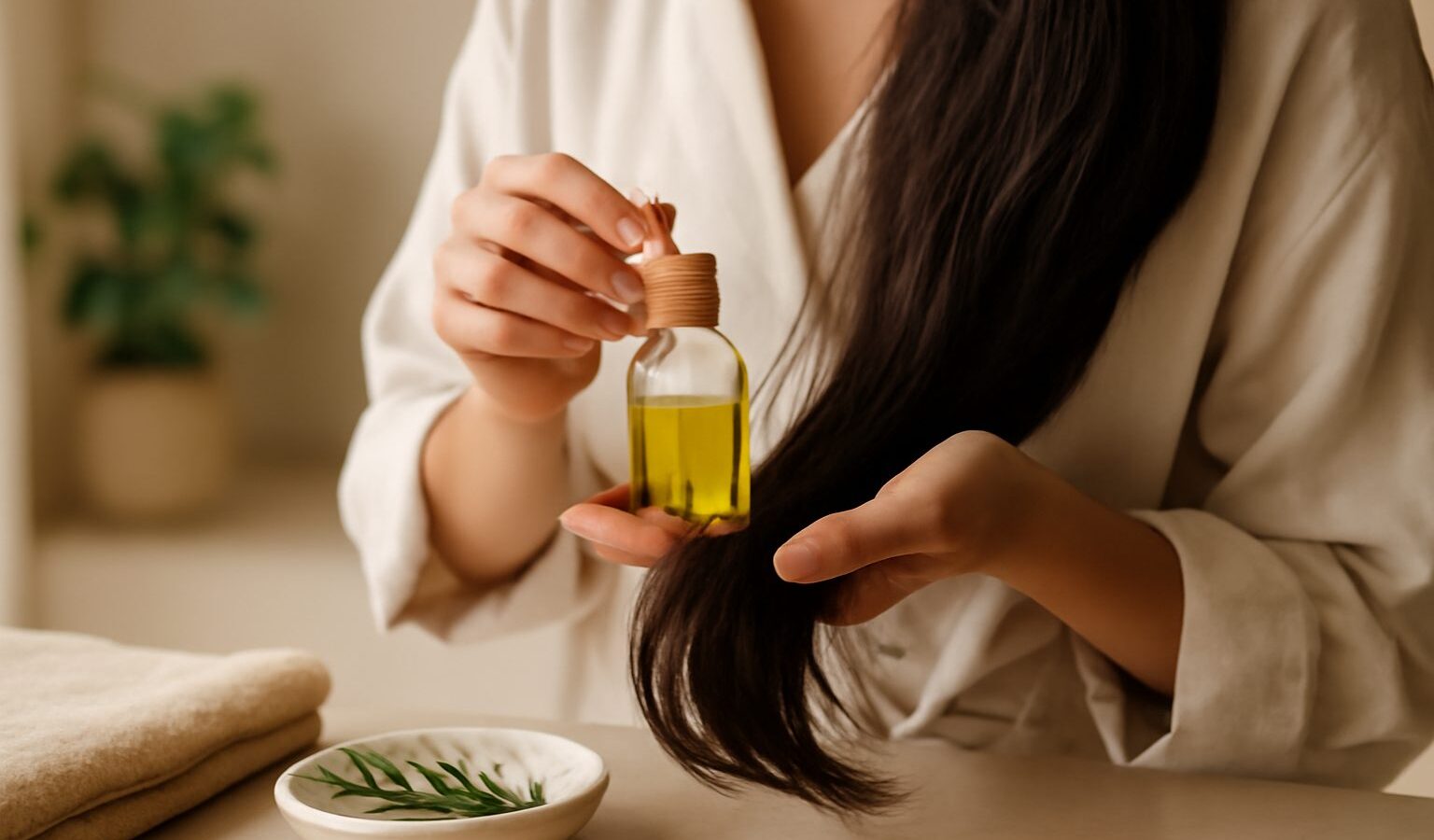
Rosemary oil has become a hugely popular scalp and hair remedy, praised online for everything from thicker growth to a healthier scalp. If you are curious about rosemary oil for hair in Singapore, it helps to separate the genuine appeal from the hype. The honest position is that the evidence for hair-growth benefits is limited and still emerging, so it is worth trying with realistic expectations rather than treating it as a miracle. This guide explains what rosemary oil may do, how to use it safely in our humid climate, and when hair concerns are better taken to a doctor.
What Rosemary Oil May and May Not Do
Rosemary oil is an essential oil steam-distilled from the herb, and it has a long history in traditional care. In recent years it has been studied as a possible aid for hair, with some small research suggesting it might support the scalp and hair over several months of consistent use. That is genuinely interesting, but the research is limited, not conclusive, and results vary from person to person. It would be misleading to promise regrowth or dramatic thickness.
What can be said more comfortably is that a well-cared-for scalp is a good foundation for healthy-looking hair, and a gentle scalp massage while applying any oil increases circulation and simply feels good. Some people also like rosemary oil for its herbal scent and the ritual of a weekly treatment. If those modest benefits appeal to you, it can be a pleasant, low-cost addition to your routine.
Set your expectations accordingly. Think of rosemary oil as a possible supporting player for scalp comfort and a nice self-care habit, not a guaranteed treatment for hair loss. If you have real concerns about thinning or shedding, an oil is not a substitute for a proper assessment. Our general hair loss and thinning in Singapore guide gives a calmer overview of what causes shedding and what actually helps.
How to Use Rosemary Oil Safely
Essential oils are potent and should never be applied neat in large amounts to the skin. The safe, standard approach is to dilute rosemary essential oil in a carrier oil before it touches your scalp.
- Dilute it. Blend a small amount of rosemary essential oil into a carrier such as jojoba, coconut or a light facial oil. Essential oils are used sparingly, so a little goes a long way. Alternatively, look for pre-diluted rosemary hair products so the balance is done for you.
- Patch test first. Before applying to your scalp, dab a little of the diluted blend on your inner forearm and wait a day to check for redness, itching or irritation. This matters even more with essential oils, which are common triggers for sensitive skin. Our how to patch test new skincare in Singapore guide walks through the steps.
- Apply to the scalp, not just the hair. Massage the diluted oil gently into the scalp with your fingertips for a few minutes. This is where the scalp massage and hair oiling in Singapore ritual comes in, since the massage itself is part of the appeal.
- Leave it on, then wash out. Many people leave a scalp oil on for thirty minutes to an hour, or overnight on a towel-covered pillow, then shampoo thoroughly. In Singapore’s humidity an oily scalp can feel heavy and attract dust, so most people prefer rinsing it out rather than leaving it in all day.
- Be consistent and patient. If you are going to try it, use it steadily over a few months, since any possible benefit builds slowly. Stop immediately if you notice irritation, flaking or an itchy scalp.
Because our climate already makes scalps sweaty and oil-prone, do not overdo it. Once or twice a week is plenty for most people, and those with naturally oily roots may prefer less. If oil leaves your scalp greasy or congested, our scalp care and dandruff in Singapore guide can help you rebalance.
Who Should Be Extra Careful
Essential oils are not for everyone. If you have a sensitive or reactive scalp, eczema, broken skin or a history of allergies, be especially cautious and patch test carefully. Anyone who is pregnant or breastfeeding, or who has a medical condition, should check with a doctor or pharmacist before using essential oils, since some are not recommended in those situations. Keep essential oils well away from the eyes, and never assume that “natural” automatically means gentle.
When to See a Doctor
Rosemary oil is a cosmetic experiment at best, so it should never replace medical attention for genuine hair loss. See a doctor if you notice sudden hair loss, patchy bald spots, hair coming out in clumps, a rapidly widening parting, or hair loss along with other symptoms such as an itchy, sore or inflamed scalp. These can have a range of causes, some of which are very treatable when caught early, and a professional can identify what is actually going on rather than leaving you guessing.
For everyone else, the honest takeaway is simple. Rosemary oil for hair in Singapore can be a pleasant, inexpensive scalp ritual with some emerging but limited evidence behind it. Use it diluted, patch test first, keep your expectations realistic, and lean on a healthy overall hair and scalp routine, which will always do more for your hair than any single trending oil.