
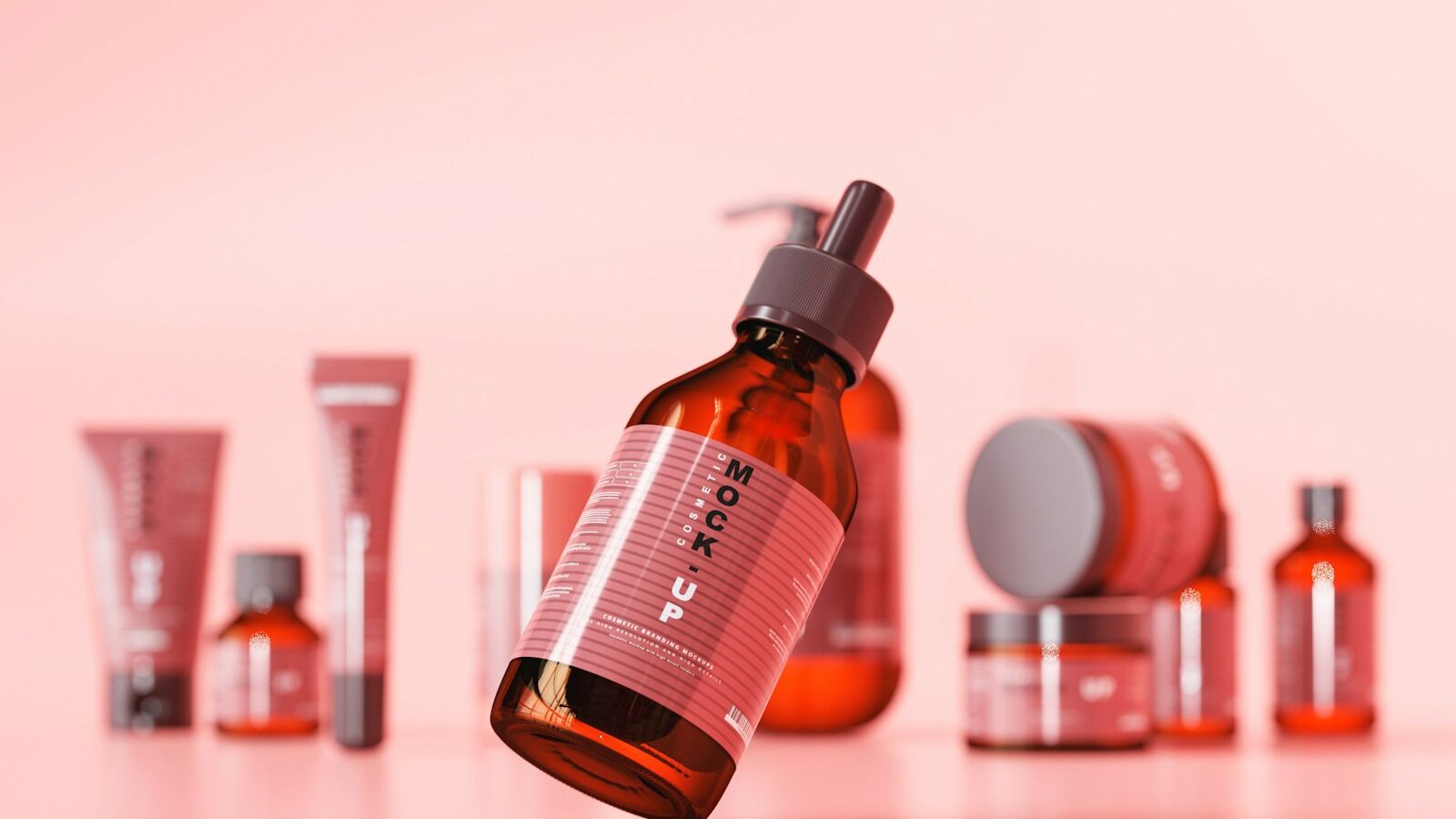
Rosehip oil has a devoted fan base, and it is easy to see why: it is a plant oil with a light feel and a reputation for helping skin look smoother and more even. If you have been curious about rosehip oil in Singapore but worried that any oil would feel heavy in our humidity, the good news is that rosehip is one of the lighter, more breathable facial oils. This guide covers what it is, what it can and cannot do, who it suits, and how to use it sensibly when the weather is hot and sticky.
What rosehip oil is
Rosehip oil is pressed from the seeds or fruit of certain wild rose plants. On a label you may see “rosa canina,” “rosa rubiginosa” or “rosa moschata” oil. It is valued for being rich in unsaturated fatty acids, which are the building blocks that help oils feel nourishing, and it naturally contains small amounts of compounds sometimes described as vitamin A and vitamin E precursors.
It is worth being precise here. Rosehip oil naturally contains a small amount of provitamin A compounds, but it is not the same as, and nowhere near as strong as, a retinoid product like retinol. So while you may see it described as a “natural retinol,” treat that as loose marketing rather than a like-for-like swap. If you specifically want retinoid benefits, our guide to vitamin C serums in Singapore and dedicated retinoid articles will serve you better than an oil.
What rosehip oil does for your skin
Here is an honest look at the everyday benefits.
- Softening and conditioning. As an emollient, rosehip oil helps skin feel smoother and more supple, and it can improve the look of dry, rough patches.
- A light barrier-supporting layer. A thin layer of oil can help reduce the amount of water that escapes from the skin surface, which is one reason facial oils feel comforting on dry days.
- A dewy finish. Many people simply like the healthy sheen it adds when used sparingly.
What it will not reliably do is fade scars, erase fine lines, or clear acne, despite bold claims you may read online. Any evenness or glow tends to be a cosmetic effect that builds gradually and varies from person to person. For persistent concerns such as acne, marks that will not fade, or changes to a mole or spot, see a doctor or dermatologist rather than relying on an oil.
Because oils are the last, sealing step of a routine, it helps to understand where they sit. Our guide to using facial oils in a humid climate explains the mechanics, and squalane in skincare is worth reading if you want an even lighter, more stable alternative.
Who it suits
Rosehip oil tends to suit:
- Dry, dehydrated and normal skin that wants extra softness and a glow.
- Combination skin, used sparingly on drier areas.
- People who like the feel of a facial oil as a final step.
Very oily or acne-prone skin may find any facial oil feels like too much in our heat, so go slowly if that is you. As with anything new, patch test first, and introduce it on its own so you can judge how your skin reacts. Some people are sensitive to specific plant oils.
How to use it in Singapore’s humid climate
Facial oils and humidity can coexist if you use a light touch.
- Use it as the final step. Oils seal, so apply rosehip after your water-based hydrators and moisturiser, not before.
- Keep it to a few drops. In our climate, one to three drops is usually plenty. Warm it between your palms and press it in rather than piling it on.
- Consider night use. If a daytime oil feels too much in the heat, using it only at night, or only on dry patches, is a sensible compromise.
- Store it well. Oils rich in unsaturated fats can turn over time, so keep the bottle away from heat and light, and stop using it if the smell turns sharp or “off.”
- Sunscreen still comes first in the day. An oil is not sun protection, and our UV is strong year-round.
A note on pregnancy: rosehip oil is generally considered a gentle plant oil, but because it is sometimes marketed alongside vitamin A claims, anyone who is pregnant or breastfeeding and unsure should check with a doctor. Our guide to safe skincare during pregnancy in Singapore is a useful reference.
The honest limits
Rosehip oil is a pleasant, softening plant oil that many people enjoy, but the evidence behind its bigger claims, such as scar fading and wrinkle reduction, is limited and often overstated in marketing. Any benefit is usually a gradual, cosmetic one, and it varies from person to person. It is a nice finishing oil, not a treatment.
In short, rosehip oil is a light, conditioning facial oil that can add softness and a healthy glow when used sparingly as your final step. Keep it fresh, patch test before you start, keep up your sunscreen, and see a professional for any concern that persists, worsens or changes.