
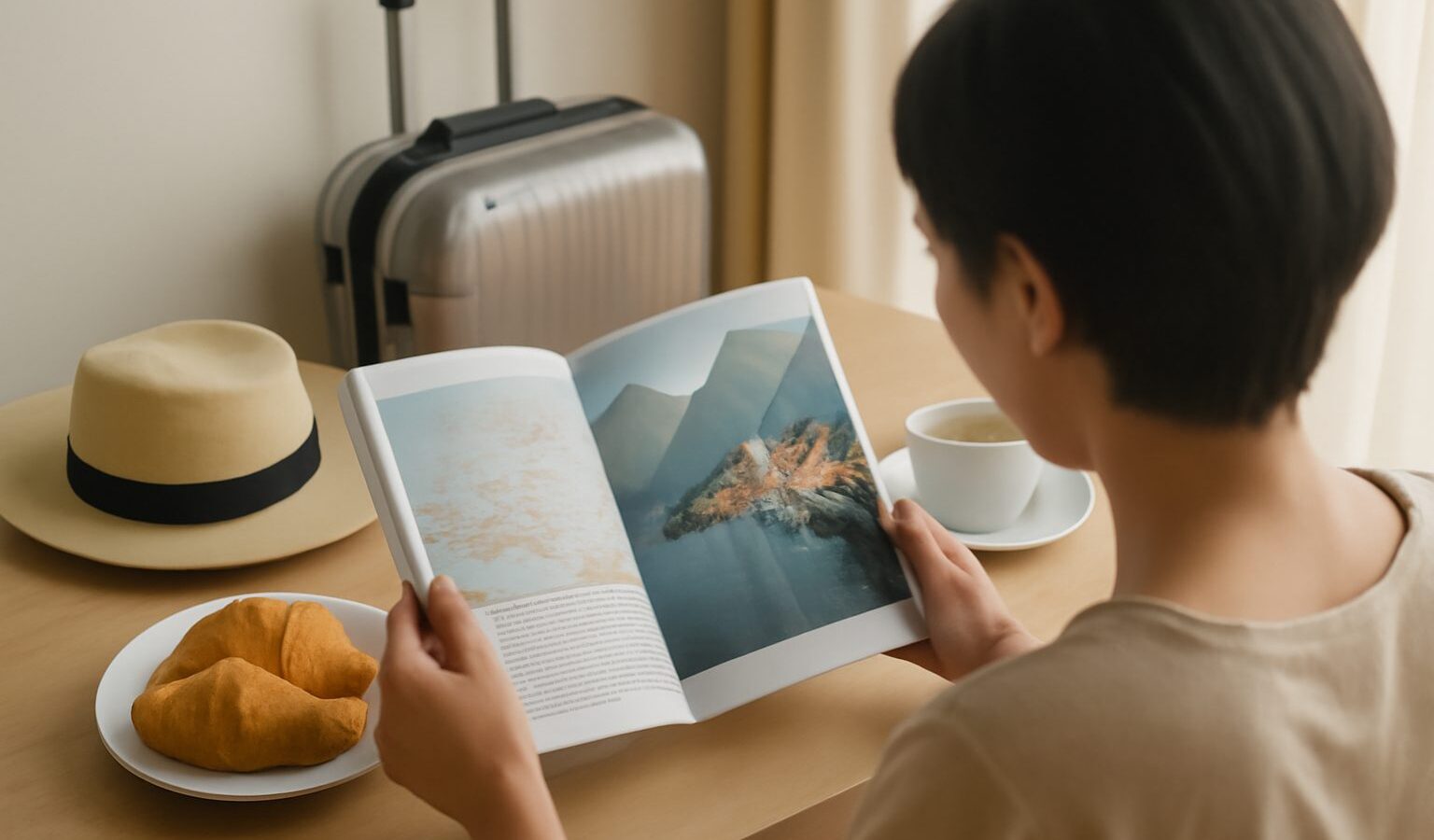
Planning a trip to Salzburg from Singapore delivers one of Europe’s most postcard-perfect combinations: a baroque city cradled by the Alps, the birthplace of Mozart, the backdrop to The Sound of Music, and within easy reach, the impossibly pretty lakeside village of Hallstatt. It is compact, walkable and endlessly photogenic, the kind of place where a fortress looms over cobbled squares and church bells drift across the river. For Singaporeans wanting classic Austria without the sprawl of a big capital, Salzburg is a gem, and pairing it with a day among the lakes and mountains makes for a memorable Alpine escape.
This guide covers why the region is worth your time, when to go, the highlights, how to get there and get around, and who it suits best.
Why go to Salzburg
Salzburg packs an extraordinary amount into a small, strollable centre. The old town is a UNESCO-listed maze of squares, churches and merchant houses, presided over by the Hohensalzburg fortress on its hill. Everything is close together, which makes it a joy to explore on foot, and the setting, wrapped in green hills with snow-dusted peaks beyond, gives the city a sense of drama that lingers.
The cultural pull is real. This is Mozart’s home town, and music runs through everything, from the house where he was born to the concerts staged year round. Fans of The Sound of Music come to see the gardens, palaces and countryside made famous by the film, and the city leans happily into that heritage. Add elegant cafes, riverside walks and a genuine sense of history, and you have a destination that feels both grand and welcoming.
Its position is another advantage. Salzburg sits close to Austria’s Lake District, the Salzkammergut, and makes an ideal base for a short trip that mixes city culture with mountain and lakeside scenery. It is generally not a cheap destination, so check current rates when you plan.
When to visit
Salzburg has four distinct seasons and each offers something different. Summer brings the warmest, longest days, green hills and a full programme of festivals and concerts, but it is also the busiest and most expensive time, and Hallstatt in particular can feel overwhelmed. Winter is cold and often snowy, and while the Christmas markets are enchanting, days are short and mountain weather can disrupt plans.
For many travellers the shoulder seasons hit the sweet spot. Late spring brings blossom, greenery and pleasant temperatures, while early autumn offers crisp, clear days and thinner crowds. Here is a simple seasonal comparison to help you plan.
| Season | Weather | Crowds | Notes |
|---|---|---|---|
| Spring | Mild, green, some rain | Building | Fresh scenery, fewer tour groups |
| Summer | Warm, long days | Peak, especially Hallstatt | Festivals, but book well ahead |
| Autumn | Crisp, clear spells | Easing | Fine light, comfortable walking |
| Winter | Cold, snowy | Busy at Christmas | Markets charming, short days |
Whenever you go, mornings tend to be quieter, so reach the fortress and the most popular squares early to enjoy them before the crowds arrive.
Highlights not to miss
In Salzburg itself, ride or walk up to the Hohensalzburg fortress for sweeping views over the rooftops and out to the mountains. Wander Getreidegasse, the famous shopping lane lined with wrought-iron signs, and step into the cathedral and the graceful squares of the old town. The Mirabell gardens, familiar from the film, are free to enjoy and especially lovely in bloom. If music matters to you, look into a concert during your stay, from Mozart recitals to marionette performances.
The showstopper day trip is Hallstatt, a tiny village wedged between a steep mountain and a mirror-still lake, its wooden houses tumbling down to the water. It is breathtakingly beautiful, and that beauty has made it one of the most visited small villages in Europe. It is important to visit respectfully: Hallstatt is a living community of ordinary residents, not a theme park. Keep noise down, do not enter private property or gardens for photos, and consider going early or late, or in the shoulder seasons, when the crowds thin and the village can breathe. The wider Salzkammergut also offers gentler, less crowded lakes and towns such as St Wolfgang and Gosau if you would rather spread out.
How to get there and get around
There are no guaranteed direct flights, and routings change, so check current schedules when you book. In practice, Singaporeans usually fly to a major European hub and connect onward, either flying into Salzburg or a nearby city, or, very popularly, taking the train. Austria’s rail network is excellent and Salzburg is well connected, so many travellers arrive by train from Vienna, Munich or other European cities, enjoying scenic Alpine views along the way.
Salzburg’s compact centre is best explored on foot, with reliable buses for longer hops. Hallstatt can be reached by a combination of train, bus and boat, or by organised day tours, though public transport takes planning and the last connections back can be early, so check timings carefully. Because Hallstatt has introduced measures to manage the crush of visitors and coaches, going by train and the short lake ferry is often the most pleasant approach.
On entry requirements, Austria is part of the Schengen Area. Singapore passport holders currently enjoy visa-free short stays, but the European travel authorisation known as ETIAS is being introduced, so check whether it applies to your dates. Always confirm the latest position through official Austrian and EU sources and Singapore’s MFA travel advisories before you travel, and ensure your passport has ample validity.
Who it suits and budget
Salzburg and Hallstatt suit couples, culture lovers, music fans, photographers and anyone who wants classic Alpine scenery without a strenuous itinerary. It works beautifully as a two to four day stop and slots neatly into a wider central European trip taking in Vienna, Munich or the Austrian lakes. Families do well here too, as the city is easy to navigate and the scenery keeps everyone happy.
It is less suited to travellers chasing beach weather, wild nightlife or rock-bottom prices, as Austria is generally on the pricier side and the appeal here is scenery and culture rather than partying. Accommodation ranges from simple guesthouses to smart hotels, so treat costs as flexible and check live prices when you book. Go with comfortable shoes, a warm layer even in summer for the mountains, and a respectful eye for the small communities you are visiting, and Salzburg rewards you with a slice of Europe that looks exactly as lovely as the pictures promise.