
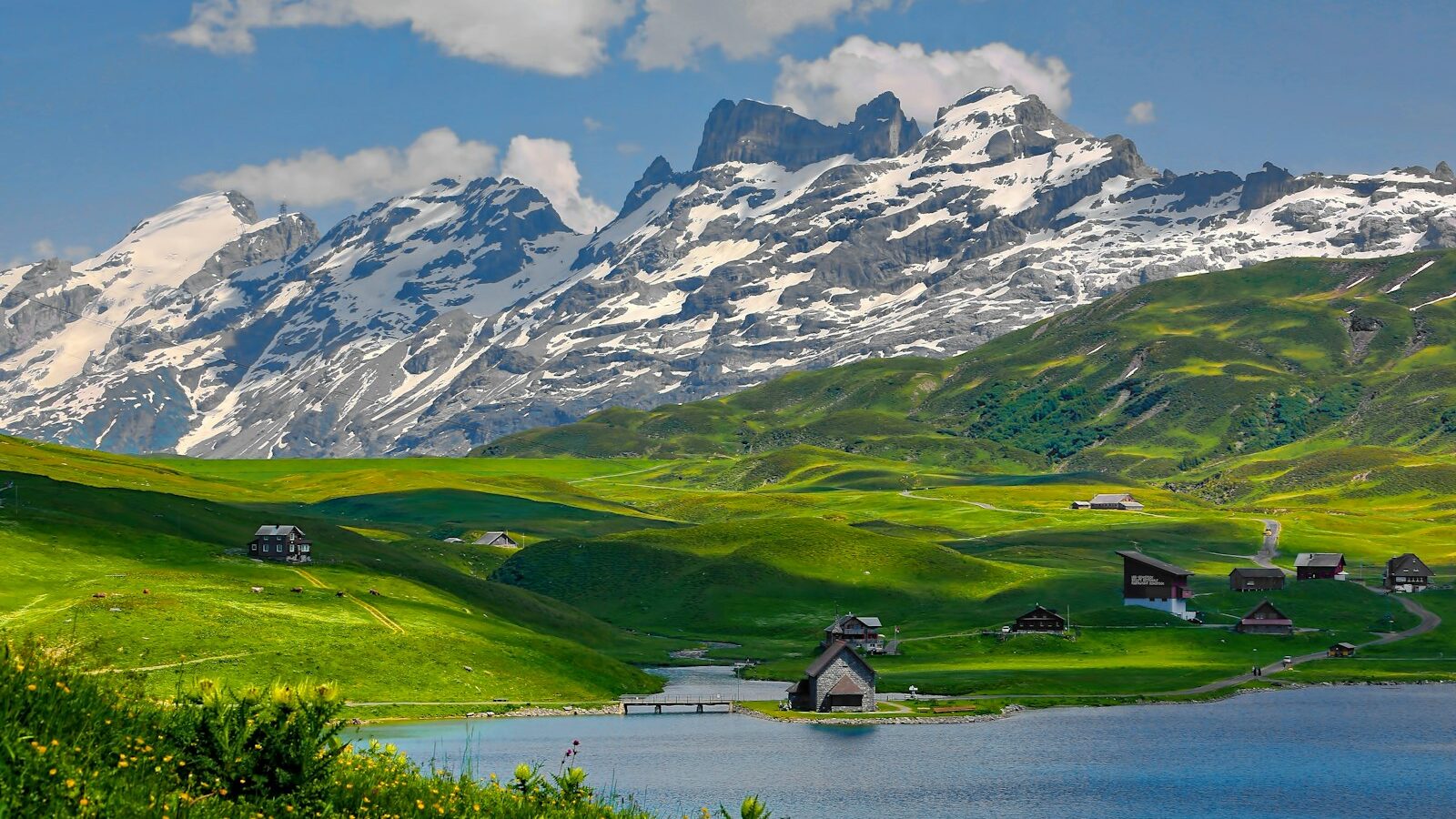
For Singaporeans dreaming of snow-capped peaks, mirror-still lakes and storybook villages, planning Switzerland from Singapore delivers one of Europe’s most reliably beautiful trips. This is a country built for scenic travel, where the trains run on time, the mountain views are almost absurdly perfect and even short journeys feel like moving postcards. Whether you want to ride panoramic railways, hike alpine trails, cruise glassy lakes or simply soak up clean air and calm, Switzerland rewards families, couples and solo travellers alike. This guide covers getting there, the best time to visit, what to see and how to plan from a Singapore base.
Getting There From Singapore
Switzerland is a long-haul destination from Changi, and there is usually no non-stop service to its main cities, so most travellers connect once through a Middle Eastern, European or Asian hub. Total travel time commonly lands in the region of fourteen to seventeen hours depending on the routing and layover. The main international airports at Zurich and Geneva are superbly connected, with trains running directly from the airport into the national rail network, so you can be gliding towards the mountains soon after you land.
Switzerland sits six to seven hours behind Singapore depending on the season, so westbound jet lag is usually manageable. Arrive in the afternoon, stay up until a local bedtime, and you should settle within a day.
Entry rules for Singapore passport holders can change, so confirm the latest requirements with the Swiss authorities and check ICA guidance before you fly. Switzerland is part of the Schengen area, and Schengen conditions are periodically updated, so verify the current situation rather than assuming. Sort out passport validity and travel insurance well before departure.
Best Time to Visit
Switzerland is a true four-season destination, and the right time depends on what you want to do. Summer is prime for hiking, lake swimming and green alpine meadows, with long daylight and the highest visitor numbers. Winter turns the mountains into a wonderland for skiing and snow scenery. Spring and autumn are quieter, with fewer crowds and lovely light, though some high mountain routes may be limited by weather.
| Season | Weather | Crowds and Cost | Good For |
|---|---|---|---|
| Summer (Jun to Aug) | Warm, green valleys | High, peak prices | Hiking, lakes, scenic rail |
| Autumn (Sep to Oct) | Crisp, golden slopes | Moderate | Photography, quieter trails |
| Winter (Dec to Mar) | Cold, snowy | High in ski season | Skiing, snow scenery |
| Spring (Apr to May) | Mild, thawing | Lower | Value, blossoms, fewer crowds |
Whatever the season, mountain weather changes fast and temperatures drop sharply with altitude. Pack warm layers and a waterproof even in summer, and expect it to feel far cooler up high than Singaporeans might imagine.
Top Things to See and Do
The scenery is the main event, and the scenic railways are a highlight in their own right. Famous panoramic routes wind past glaciers, gorges and high passes, and even ordinary trains serve up spectacular views, so simply riding the rails is a joy. Mountain excursions by cogwheel train and cable car carry you to snowy summits with sweeping panoramas; check current times and weather before heading up.
The lakeside cities each have their own charm, from Zurich’s stylish old town to Geneva’s waterfront and the medieval lanes of Bern, the capital. The Lake Geneva region, the Jungfrau area, the Matterhorn’s mountain resort and the central lakes are classic bases for exploring. Beyond the trains, you can hike well-marked alpine trails, cruise the lakes by boat, and visit chocolate and cheese-making regions. In winter, the ski resorts draw visitors from around the world.
Where to Stay
Switzerland works best as a two or three-base trip, choosing regions rather than chasing a single hotel.
- Lakeside cities (Zurich, Geneva, Lucerne): easy arrival points, culture, transport hubs.
- Interlaken and the Jungfrau region: central base for classic alpine scenery and excursions.
- Zermatt and the Matterhorn area: dramatic peaks, car-free village, hiking and skiing.
- The Bernese and central mountain villages: quieter, storybook settings, great trails.
- Lugano and the Italian-speaking south: warmer, Mediterranean feel, palm-lined lakes.
Because the rail network is so seamless, moving between bases is easy and scenic. Pick regions that match your interests, and consider a rail pass if you plan to travel a lot, checking current options and prices.
Food and Dining
Swiss food is hearty and mountain-friendly, built around cheese in fondue and raclette, cured meats, rosti potatoes, fresh bread and world-famous chocolate. It is a comforting cuisine, especially after a day outdoors. For Singaporean travellers with dietary needs, halal restaurants are less common than in larger European capitals but can be found in the bigger cities and multicultural areas, and many places offer vegetarian dishes; cheese and vegetable-based meals are naturally meat-free. As always, look for clear halal indication or ask staff directly if it matters to you.
Eating out in Switzerland is relatively expensive, so self-catering from supermarkets, buying picnic supplies and enjoying them with a mountain view is a smart, budget-friendly move. Tap water is excellent and safe to drink, and public fountains often flow with fresh drinking water, so carry a bottle.
Getting Around
Switzerland has one of the best public transport systems anywhere, and you rarely need a car. Trains, buses, boats and mountain lifts are integrated into a single timetable and connect with remarkable punctuality, reaching even small villages. Various rail passes can cover trains, some cable cars and city transport, so compare current options for your itinerary. Traffic drives on the right, the opposite of Singapore, if you do choose to drive.
Because scenery is the point, the journey often is the destination here. Grab a window seat, keep your camera ready and let the network do the work.
Practical Tips
The currency is the Swiss franc, not the euro, though some places accept euros with change given in francs; cards are widely accepted, so you need little cash. Switzerland has four national languages, German, French, Italian and Romansh, and English is widely understood in tourist areas. The country is famously clean, orderly and safe.
Switzerland is one of Europe’s most expensive destinations, so plan for higher costs on food, lodging and activities, and offset them with picnics, rail passes and free hiking. It is very safe by any measure, but keep the usual sensible habits in busy stations and cities. Check MFA travel advisories for the latest guidance before you go, mind your footing and altitude on mountain excursions, and see a doctor or travel clinic if you have any health questions ahead of a long-haul flight.
Explore more
Switzerland is a spectacular centrepiece for a European adventure. Reach it easily from a city break using our Paris from Singapore guide, or pair alpine scenery with ancient history via Rome from Singapore. If you are flying via Britain, our London from Singapore guide makes a natural first stop before the mountains.