
For many Singaporeans, snow is the whole point of a Japan trip, and few places deliver it better than the capital of Hokkaido. Planning a trip to Sapporo from Singapore opens the door to Japan’s northern frontier: powder ski slopes, hearty ramen, fresh seafood, wide boulevards, and one of the world’s great winter festivals. Sapporo is young by Japanese standards, laid out on a clean grid that is easy to navigate, and it makes a comfortable base for exploring the wider natural playground of Hokkaido. Cooler, calmer, and less crowded than Tokyo, it is a refreshing change of pace.
This guide covers getting there from Singapore, the best time to go, top things to do, where to stay, food including halal and vegetarian options, getting around, and the practical details for a smooth trip.
Getting There From Singapore
Sapporo is served by New Chitose Airport (CTS), about 40 to 50 minutes from the city by rapid train. From Changi, there is no direct flight at all times, so most travellers connect through a hub such as Tokyo, Osaka, Taipei, Hong Kong, or Seoul, then take a domestic or regional hop up to Hokkaido. Allowing for the layover, plan for a travel day of roughly nine to thirteen hours in total depending on your routing.
Because Sapporo is domestic within Japan, connecting through Tokyo pairs naturally with a wider itinerary, and many travellers add Hokkaido to the end of a mainland trip. From New Chitose, the airport train runs straight to Sapporo Station in the heart of the city, so arrival is smooth. Compare routings for total travel time and layover length, which vary a lot by airline and season.
Best Time To Visit
Sapporo is a true four-season city, and Hokkaido’s climate is cooler and drier than the rest of Japan. Winter is the marquee season, but every season has its appeal.
Winter, from December to February, brings heavy, reliable snow, superb skiing at nearby resorts, and the famous Sapporo Snow Festival in early February with its giant ice and snow sculptures. Spring is late here, with cherry blossoms arriving around late April to May. Summer is mild, green, and blissfully free of the humidity that grips Singapore and mainland Japan, making it ideal for lavender fields and hiking. Autumn is short and beautiful, with crisp air and colourful foliage.
| Season | Months | Weather | Good for |
|---|---|---|---|
| Winter | Dec to Feb | Cold, heavy snow | Skiing, snow festival, first snow |
| Spring | Apr to May | Cool, late blossoms | Flowers, fewer crowds |
| Summer | Jun to Aug | Mild, low humidity | Lavender, hiking, road trips |
| Autumn | Sep to Nov | Crisp, colourful | Foliage, food, comfortable walking |
Top Things To See And Do
In the city, start at Odori Park, the green spine that runs through the centre and hosts the Snow Festival, then climb the Sapporo TV Tower for a view. The historic Clock Tower, the former government building, and the Hokkaido University campus are pleasant strolls, while the Shiroi Koibito chocolate park is a hit with families. Foodies should not miss Nijo Market and the ramen alleys, and the Sapporo Beer Museum tells the story of Japan’s oldest beer brand.
For many visitors, though, Sapporo is a launchpad. World-famous powder skiing at Niseko and Rusutsu is within reach for a day trip or overnight, and the onsen hot-spring town of Noboribetsu, the caldera lake of Lake Toya, and the port and canals of Otaru all make rewarding excursions. In summer, the lavender fields of Furano and Biei are a stunning drive. Give yourself at least three days in and around Sapporo, and more if you plan to ski.
Where To Stay
Sapporo’s grid makes it easy to pick a base, and most visitors stay central.
- Around Sapporo Station: the most convenient choice for transport, airport access, shopping, and day trips. Best for first-timers and anyone using Sapporo as a hub.
- Susukino: the lively dining and nightlife district, packed with restaurants and ramen. Great for foodies and couples who want to be near the action.
- Odori and central: walkable to parks, sights, and the festival grounds, a balanced choice for families.
- Ski resorts (Niseko, Rusutsu): for a dedicated snow holiday, base at the slopes rather than in the city, with easy ski-in convenience.
Families and first-timers usually favour the station or Odori area for warmth and convenience between indoor attractions, while skiers split their time between the city and a resort stay.
Food And Dining
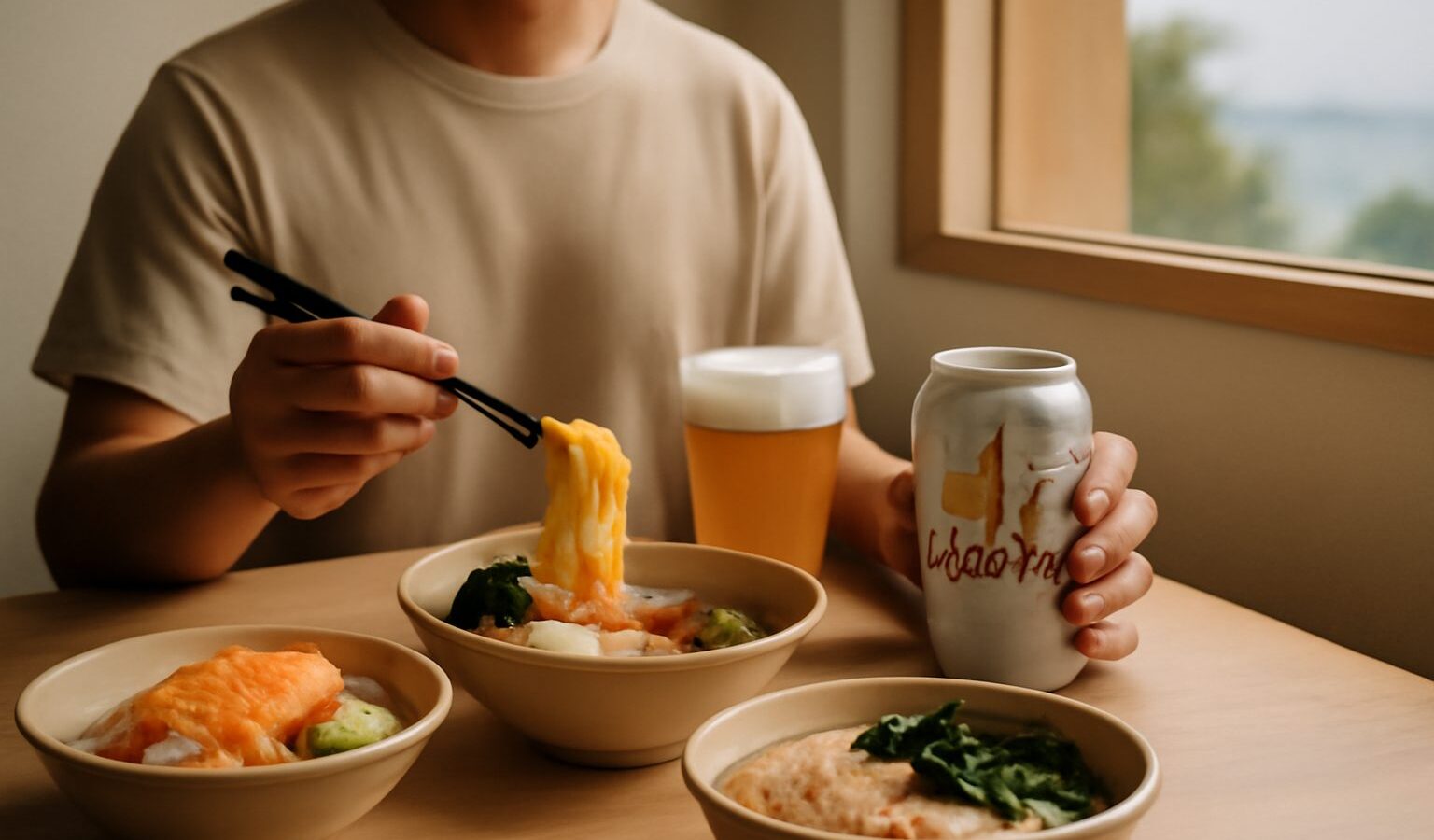
Hokkaido is one of Japan’s great food regions, and Sapporo is the place to feast. It is the birthplace of miso ramen, rich and warming in the cold, and it is famous for fresh seafood, sea urchin, crab, scallops, dairy, soup curry, and grilled lamb known as Genghis Khan. The seafood at the morning markets is a highlight.
Vegetarians can enjoy soup curry loaded with vegetables and plenty of dairy-based treats, though confirm that broths and stocks are meat and fish free. Halal travellers should plan ahead, as dedicated halal restaurants are limited compared with big international cities. Sapporo has a small number of Muslim-friendly eateries and some halal-certified products in stores, and plainly grilled seafood or vegetable dishes can work when you check ingredients. Carry a translation card, and rely on the excellent convenience stores and supermarkets for snacks, fruit, and simple meals when options are thin.
Getting Around
Central Sapporo is walkable and logically laid out, and the city has three subway lines, trams, and buses, all covered by a rechargeable IC card such as SAPICA or the widely accepted national cards. The subway is warm and efficient, a real bonus in winter. For day trips, JR trains and highway buses reach Otaru, Noboribetsu, and the resorts, and organised tours are common for far-flung sights such as Furano. Renting a car makes sense for summer road trips through the countryside, but in deep winter, leave the driving to trains and buses unless you are experienced with snow. Build in buffer time in winter, when weather can delay transport.
Practical Tips
- Visa: Singapore passport holders have generally enjoyed easy short-stay tourist entry to Japan, but rules can change. Confirm the latest requirements with the Embassy of Japan and ICA before you travel.
- Safety: Hokkaido is very safe. The main winter hazards are cold and ice, so dress in proper layers, wear grippy footwear, and heed MFA travel advisories and weather warnings.
- Currency: the Japanese yen. Cards and IC cards work well in the city, though carry some cash for markets and smaller towns.
- Language: English signage is decent in Sapporo and at transport hubs, less so in rural areas, so a translation app helps.
- Budget: Sapporo is mid-range for a Japan trip, with skiing pushing costs higher. It is pricier than a regional beach break but strong on value and experience.
- Health: see a doctor or travel clinic before departure for general health advice, and pack for genuine cold if you visit in winter.
Sapporo is the easy way into Japan’s wild north. Warm up over a bowl of miso ramen, wander a snow-lit park, and let the city be your comfortable base for powder days and hot springs. It is a winter dream that is well within reach of Changi.
Explore more
Hokkaido rewards a longer loop, and Sapporo pairs well with the rest of Japan too. Balance the snowy north with the temples and gardens of Kyoto, or swap seasons entirely with the beaches of Okinawa at the far south. Central-Japan travellers can route through the industrial and castle city of Nagoya on the way.