
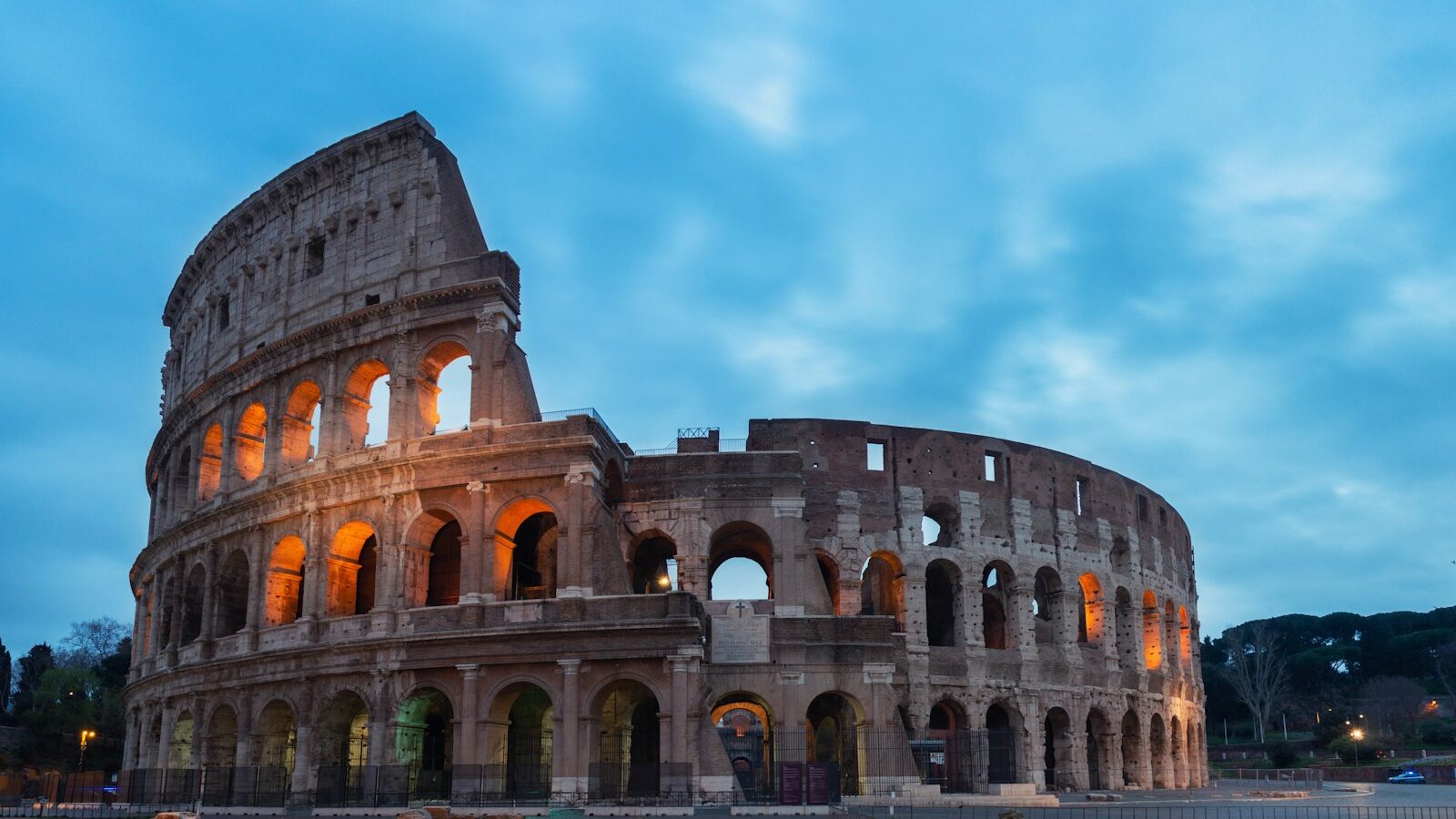
Rome is a city where three thousand years of history sit out in the open, and planning Rome from Singapore is well worth the effort. Ancient ruins share street corners with baroque fountains, world-changing art hangs in churches you can enter for free, and the food is gloriously simple and satisfying. The Eternal City suits almost everyone: couples on a romantic break, families walking their children through living history, and solo travellers happy to wander from piazza to piazza. This guide covers getting there, the best time to go, what to see and how to plan a smooth trip from Singapore.
Getting There From Singapore
Rome is a classic long-haul destination from Changi. There is usually no non-stop service, so most travellers connect once through a Middle Eastern, European or Asian hub, with total travel time commonly in the region of fourteen to sixteen hours depending on the routing and layover. One-stop flights give you flexibility on price and timing, and Rome’s main international airport is linked to the city by express train, bus and taxi.
Rome sits six to seven hours behind Singapore depending on the season, so westbound jet lag is generally manageable. Arrive in the afternoon, stay up until a normal local bedtime, and you should adjust quickly.
Entry rules for Singapore passport holders can change, so confirm the latest requirements with the Italian authorities and check ICA guidance before you travel. Italy is part of the Schengen area, and Schengen conditions are periodically updated, so verify the current situation rather than assuming. Sort out passport validity and travel insurance well ahead of your trip.
Best Time to Visit
Rome is a year-round city, but summer heat and crowds are a real consideration. Spring and autumn are the sweet spots, with pleasant temperatures and softer light on the monuments. Summer is hot, busy and can be uncomfortable at midday, while winter is cooler and quieter, with the occasional rainy spell but far shorter queues.
| Season | Weather | Crowds and Cost | Good For |
|---|---|---|---|
| Spring (Apr to Jun) | Mild, sunny | Moderate to high | Walking, gardens, photos |
| Summer (Jul to Aug) | Hot, dry | High, peak prices | Long daylight, evenings out |
| Autumn (Sep to Oct) | Warm, mellow | Moderate | Sightseeing, food, value |
| Winter (Nov to Mar) | Cool, some rain | Lower, festive peak | Fewer queues, quieter sites |
If you go in summer, start early, rest during the hottest hours and explore again in the cooler evening, exactly as locals do. Carry water and a hat, and remember that many sacred sites expect covered shoulders and knees regardless of the heat.
Top Things to See and Do
The headline sights are extraordinary and close together. The Colosseum, the Roman Forum and Palatine Hill form the ancient core, while the Pantheon, the Trevi Fountain and the Spanish Steps anchor the historic centre. Vatican City, an independent state within Rome, holds St Peter’s Basilica and the Vatican Museums with the Sistine Chapel; dress codes apply at religious sites, and queues are long, so check current times and consider booking ahead.
Beyond the monuments, Rome is a joy to explore on foot. Wander the lanes of the old centre, throw a coin in a fountain, browse the markets of Trastevere and pause for coffee in a sunny piazza. Climb to a hilltop garden for sunset views over the domes and rooftops. With extra days, the ruins of Ostia Antica or the hill towns nearby make rewarding excursions.
Where to Stay
Rome’s neighbourhoods each offer a different mood, and staying central saves a lot of walking time given how much you will do on foot.
- Historic centre: postcard Rome, walkable to the icons, higher prices.
- Trastevere: charming cobbled lanes, lively dining and nightlife.
- Near the main railway station: practical, well connected and often better value.
- Vatican and Prati: calmer, elegant, close to St Peter’s and good restaurants.
- Monti: fashionable and central, boutiques and wine bars near the ancient sites.
Because the centre is compact, staying within or just beside it lets you walk to most attractions. If you pick an outer area, choose one near a metro stop or major bus route.
Food and Dining
Roman food is famously simple and delicious, built around fresh pasta, pizza by the slice, cured meats, cheeses and seasonal vegetables, finished with gelato and strong espresso. Eating well here does not have to be expensive. For Singaporean travellers with dietary needs, halal options exist but are less widespread than in London or Paris; you will find them more readily near certain neighbourhoods and multicultural areas, and some Middle Eastern and South Asian restaurants cater specifically to halal diets. Vegetarians do well, as many classic pasta and vegetable dishes are naturally meat-free. Look for clear halal indication or ask staff if it matters to you.
Neighbourhood markets and bakeries are budget-friendly and a lovely way to eat like a local. Public drinking fountains around the city offer safe, cold water, so carry a bottle to refill.
Getting Around
Rome’s historic centre is best explored on foot, and many of the great sights are within walking distance of one another. A metro with a couple of main lines, plus buses and trams, covers longer hops, and contactless or single tickets keep things simple. Traffic drives on the right, the opposite of Singapore, and city driving is chaotic, so leave the car to the locals. Watch your step on uneven cobblestones and wear sturdy shoes.
For day trips, regional and high-speed trains depart from the central station. Booking longer routes in advance can save money, so check current fares and times when you plan.
Practical Tips
The currency is the euro, and cards are widely accepted, though a little cash is handy for small cafes, markets and tips. Italian is the local language, but English is understood in most tourist areas; a friendly buongiorno is always welcome. Dress modestly at churches and religious sites, covering shoulders and knees.
Rome is generally safe, but pickpocketing happens around crowded attractions, on busy buses and near the main station, so keep bags secure and be alert to distraction scams. Check MFA travel advisories for the latest guidance before departure, and see a doctor or travel clinic if you have health questions before a long-haul flight. Rome can be done on a range of budgets: free churches, cheap street food and walkable sights make it friendlier on the wallet than many European capitals.
Explore more
Rome slots neatly into a wider European itinerary. Combine it with the French capital using our Paris from Singapore guide, or add a sunny coastal leg with Barcelona from Singapore. For a scenic, mountainous contrast to Rome’s ancient streets, our Switzerland from Singapore guide is an inspiring next read.