
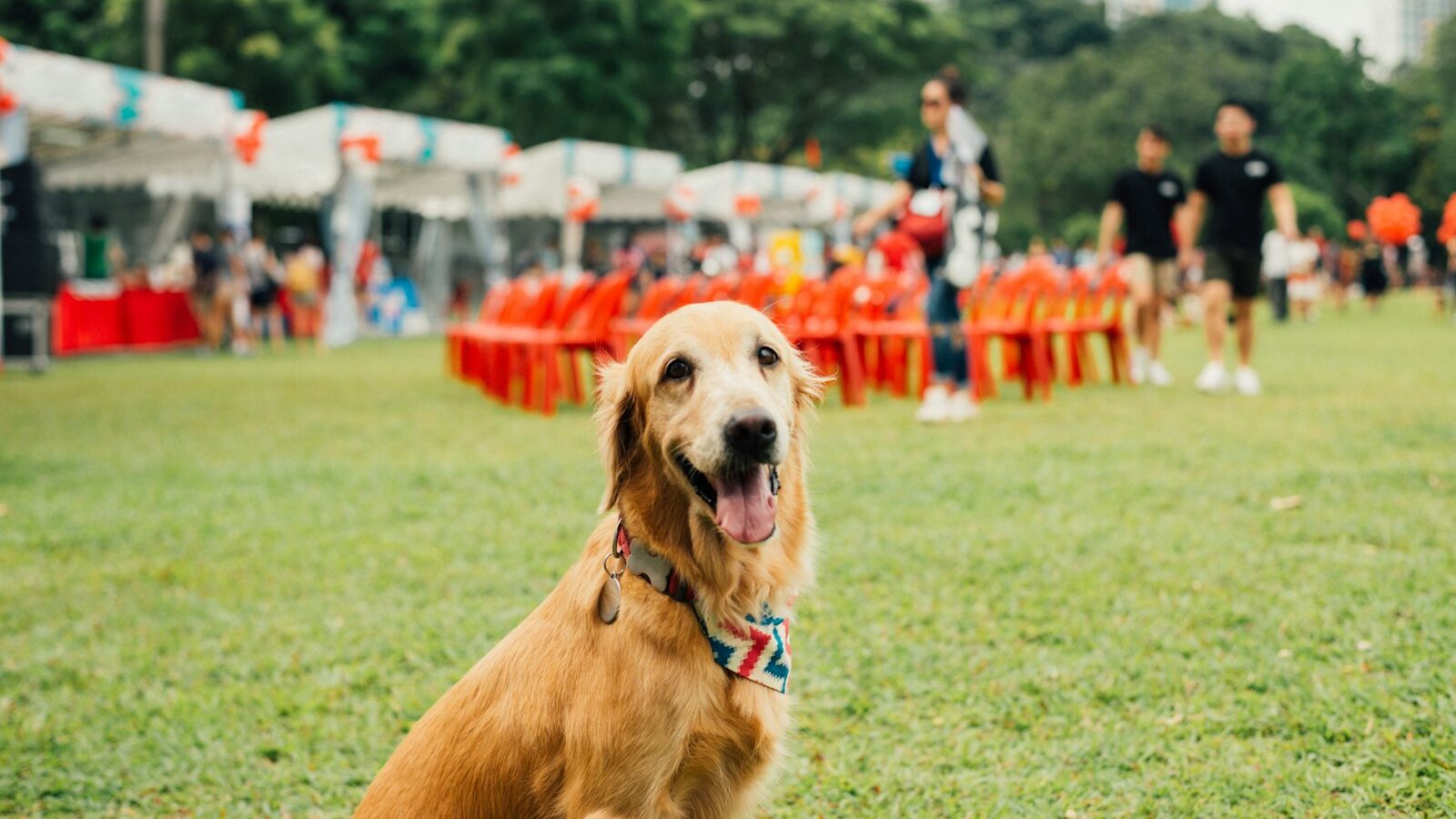
There is no easy way to write about this, and no easy way to live it. Losing a pet singapore families have loved for years is one of the quietest, deepest sorrows there is, and if you are reading this while facing that moment, we are so sorry. A pet is not “just an animal”; it is a daily companion, a witness to your life, a member of the household. This guide is a gentle companion for a hard road: how to think about quality of life, what to talk through with your vet, what aftercare looks like in Singapore, and how to carry the grief that follows. Please take from it only what helps, and leave the rest.
This is general, supportive information, not medical advice. Every animal and situation is different, so let your own vet guide the decisions that matter.
Noticing when quality of life is fading
One of the kindest things you can do is pay honest attention. As a pet ages or lives with a serious illness, the question slowly shifts from “how do we treat this” to “how is my pet actually living, day to day”. That is a hard lens to look through, because love makes us hope, but it is also where compassion lives.
Some changes are worth noticing gently and, most importantly, worth raising with your vet. Nobody expects you to interpret these alone.
| What you may notice | What it might mean | The kind next step |
|---|---|---|
| Eating far less, or losing interest in food | Discomfort, nausea or advancing illness | Talk to your vet about comfort and appetite |
| No longer greeting you or joining the family | Pain, fatigue or withdrawal | Ask your vet to assess pain and wellbeing |
| Struggling to stand, walk or get comfortable | Mobility or pain issues | Discuss pain relief and mobility support |
| More bad days than good days | Overall quality of life declining | Have an honest quality-of-life talk with your vet |
| Distress, difficulty breathing, or crying in pain | An urgent welfare concern | Seek veterinary care promptly |
A simple way many people frame it is to count the good days against the hard ones. When the hard days clearly and consistently outnumber the good, and the things your pet once loved no longer bring comfort, it may be time to talk seriously with your vet about what comes next. There is no perfect formula, only honest, loving attention.
Talking it through with your vet
Your vet is your most important companion in this. They can look past hope and fear to assess pain, comfort and realistic options, and they have walked alongside many families through exactly this. You do not need to arrive with a decision made; you only need to arrive willing to talk.
- Ask plainly how your vet reads your pet’s comfort and quality of life right now.
- Ask what options exist, from continued comfort care to knowing when euthanasia becomes the kinder path.
- Share what your pet’s normal joys were, eating, walks, lap time, so “quality of life” is measured against who they truly are.
- Ask what to expect in the days ahead, so nothing frightening takes you by surprise.
Take your time. Unless your pet is suffering acutely, this rarely has to be decided in a single afternoon. It is completely reasonable to go home, sit with it, talk it over with your family, and return. A good vet will never rush you, and will support whatever loving choice you reach.
Understanding euthanasia as a kindness
For many families, the hardest words are the ones that carry the most mercy. Euthanasia is, in gentle terms, a way of letting a pet go peacefully when illness or age has taken away their comfort and there is no path back to a good life. It is meant to spare an animal from suffering, and it is often the last, deepest act of love an owner can give.
In general terms, vets carry this out calmly and gently, and describe it as a peaceful passing rather than a frightening one. You can usually choose whether to be present; some people find comfort in staying close and holding their pet, others find it too painful, and neither choice is wrong. Many clinics in Singapore can talk you through what to expect, and some offer home visits so a pet can pass in familiar surroundings. Ask your vet about the specifics, at your own pace, and only when you are ready.
Whatever you decide, please be gentle with yourself. Choosing to end suffering is not giving up; it is refusing to let someone you love hurt when you have the power to bring them peace.
Aftercare and remembering them in Singapore
When the time comes, you do not have to have thought about the practical side in advance, but knowing the general options can ease the moment. In Singapore, pet aftercare is usually arranged through your vet or through dedicated pet aftercare and cremation services.
- Cremation is the most common choice. Individual cremation returns your pet’s ashes to you, often in an urn or small casket, while communal cremation does not; both are offered by aftercare providers here.
- Ashes can be kept at home, scattered somewhere meaningful, or held in a keepsake.
- Memorialisation is deeply personal: a paw-print, a framed photo, a small ritual, a planted pot, a written farewell. There is no right or wrong way to remember.
Your vet clinic can point you to reputable aftercare services and handle much of the arrangement, so you do not have to make calls in your rawest moment. Take whatever option feels right for your family and your pet; there is no correct level of ceremony, only what helps you honour a life you loved.
Grief, children, and the pets left behind
The grief that follows is real, and it is valid. You may feel a sadness as heavy as any human loss, along with guilt, replaying the decision, or a strange, quiet emptiness in the routines your pet used to fill. None of that is an overreaction. Love does not measure the size of who it is aimed at, and mourning a pet deeply is simply proof of how much they mattered. Be patient with yourself, talk to people who understand, and reach out to pet-loss support if the weight feels too much to carry alone.
Children feel it too, and they take their cue from you. Speak honestly and gently, in words that fit their age, avoid confusing phrases like “put to sleep” that can frighten a young child, and let them grieve, ask questions, and take part in a small goodbye if they wish. Other pets in the home may grieve as well; a dog or cat may search for a lost companion, eat less, or seem subdued for a while. Keep their routine steady, give them extra comfort and attention, and let everyone, human and animal, mourn at their own pace.
There is no timeline for any of this. Go slowly, hold the good memories close, and know that the depth of your grief is only a measure of the love you gave. That love was never wasted.
Explore more
If your pet is entering its later years, our guide to caring for a senior pet in Singapore can help you keep them comfortable for as long as possible. And if a sudden crisis strikes, read emergency vet care in Singapore so you know where to turn when every minute counts.