
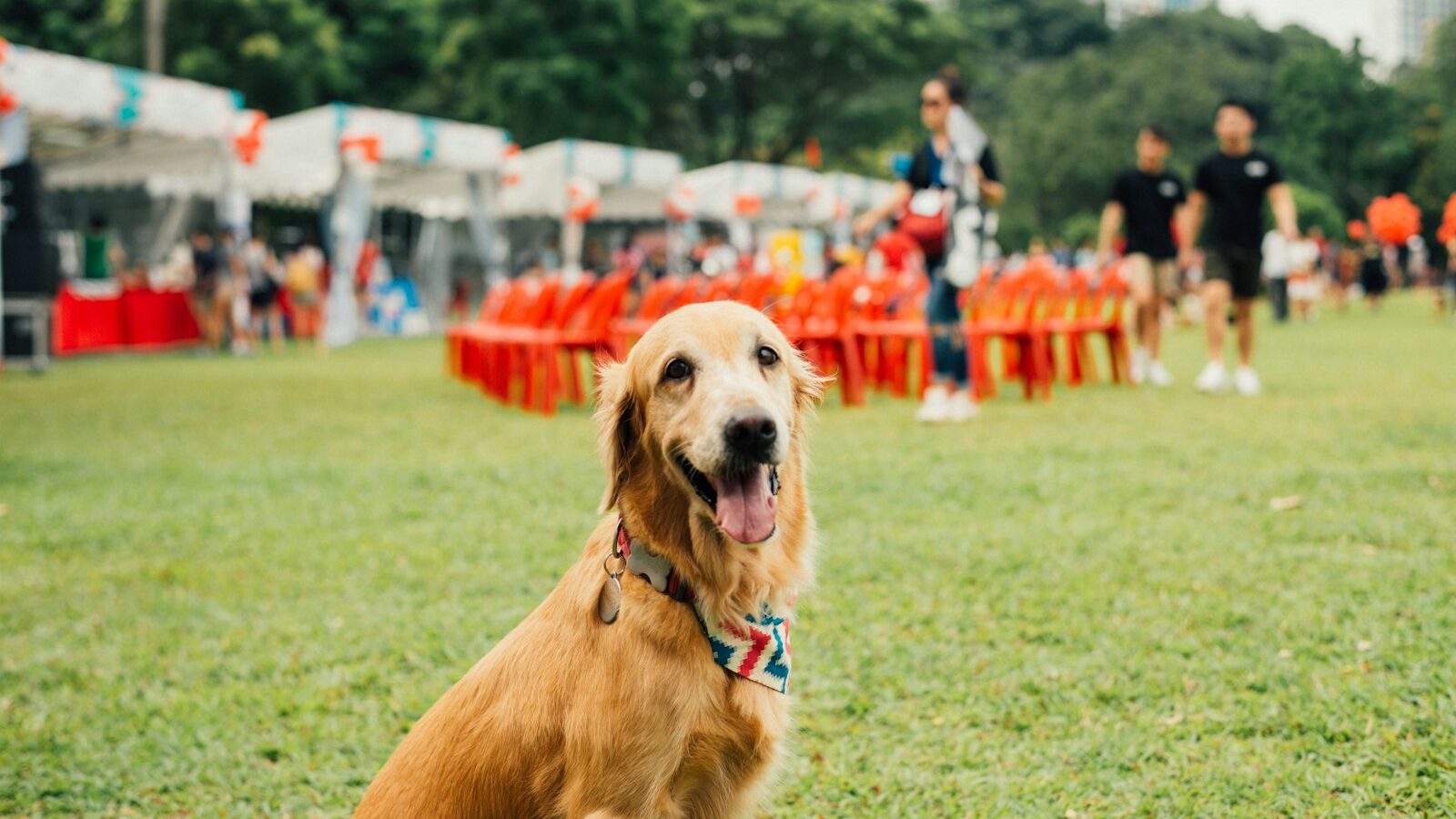
There is a quiet privilege in growing old alongside a pet. The greying muzzle, the slower walks and the longer naps are the marks of a life well shared, and the later years can be some of the most tender you will spend together. Good senior pet care in Singapore is really about paying closer attention, adjusting the small things at home, and leaning on your vet a little more often so your companion stays comfortable and content.
This guide looks at when a pet counts as senior, the changes that come with age, and the practical ways you can support an older animal. Please read it as general information rather than veterinary advice. Every ageing pet is different, so any real decision about your own animal’s health, diet or treatment should be made together with a licensed vet.
When Is a Pet Considered Senior?
There is no single birthday that turns a pet into a senior, because it depends on species, size and breed. As a rough guide, many cats and smaller dogs are considered senior from around their later single-digit years, while large and giant dog breeds age faster and reach their senior stage earlier. Small pets such as rabbits, hamsters and birds have their own, often shorter, timelines.
What matters more than a precise number is noticing the shift. You might see your pet slowing down, sleeping more, being slower to rise after a rest, or greying around the face. Rather than trying to pin down an exact age, treat the senior years as a signal to be more observant and to talk with your vet about what ageing looks like for your particular animal.
Common Age-Related Changes to Watch
Ageing brings gradual changes across the whole body, and knowing what to look for helps you catch problems while they are still manageable. None of these should be brushed off as the pet simply being old, because many can be eased with the right support.
- Mobility and joints. Stiffness, arthritis, difficulty with stairs or jumping, and reluctance to walk far are common. Older animals may struggle on smooth or slippery floors.
- Dental health. Tartar, sore gums, bad breath and loose teeth can make eating painful and affect overall health.
- Weight changes. Some pets gain weight as they slow down, while others lose it, and both directions are worth investigating.
- Kidney and organ function. Increased thirst, more frequent urination or changes in appetite can point to issues that benefit from early attention.
- Vision and hearing. Cloudy eyes, bumping into things, or not responding to their name may signal declining senses.
- Cognitive changes. Confusion, disrupted sleep, pacing at night or altered toileting habits can reflect age-related cognitive decline.
Because these changes are gradual, a helpful habit is to keep simple notes on eating, drinking, toileting, energy and mood, so you can describe any shifts clearly to your vet.
More Frequent Vet Checks
Younger pets often manage well with an annual visit, but older animals benefit from being seen more regularly. Many vets suggest more frequent check-ups for seniors, because age-related conditions can develop quietly and are far easier to manage when caught early.
These visits are a chance for your vet to examine joints, teeth, weight, heart and general condition, and to recommend any screening they feel is appropriate for your pet. Bring your notes and raise anything that has changed, however minor it seems. A small drop in appetite or a new stiffness can be an early clue. The aim is not to medicalise old age but to stay ahead of discomfort, so your pet keeps feeling as well as possible for as long as possible. Follow your vet’s advice on how often to visit and what to monitor, since this varies from animal to animal.
Diet, Exercise and Comfort at Home
Small adjustments at home make a big difference to an older pet’s day-to-day comfort. Think about diet, gentle movement and the physical environment together.
On food, an ageing body often has different needs, and your vet can advise whether a senior-appropriate diet or a change in portions suits your pet. Keep fresh water easily accessible, watch weight carefully, and never start supplements or special diets for a health problem without professional guidance.
Exercise still matters, but the goal shifts to gentle, regular movement rather than intensity. Shorter, more frequent walks suit many older dogs, and in Singapore’s heat that means sticking to the cooler early morning and evening and keeping outings low-key. Gentle play keeps a senior cat engaged without overtaxing stiff joints.
Comfort at home is where you can be wonderfully practical:
- Provide soft, supportive bedding in a warm, draught-free spot away from fierce air-conditioning.
- Add ramps or steps, or a low-sided bed, so a stiff pet can reach favourite places without painful jumping.
- Lay down rugs or mats over slippery floors to give ageing legs some grip.
- For cats, choose a litter box with a low entry and keep it easy to reach, ideally on the same level the cat spends most time.
- Keep food, water and resting spots close together so a less mobile pet does not have to travel far.
| Body system | What to watch | General support at home |
|---|---|---|
| Joints and mobility | Stiffness, limping, trouble with stairs | Soft bedding, ramps, non-slip mats, gentle walks |
| Teeth and mouth | Bad breath, sore gums, dropping food | Regular vet dental checks, easy-to-eat meals |
| Kidneys and organs | More thirst, appetite or urination changes | Fresh water always available, vet-guided diet |
| Vision and hearing | Cloudy eyes, bumping, not responding | Keep furniture and routines consistent |
| Cognition | Night pacing, confusion, disrupted sleep | Calm routine, gentle reassurance, vet advice |
| Weight | Gaining or losing without reason | Monitor portions, weigh regularly, vet review |
Quality of Life and Decisions Made With Your Vet
Perhaps the most important part of caring for a senior pet is staying honest about their quality of life. Ask yourself the simple, kind questions. Is my pet eating and drinking, moving without obvious pain, still enjoying company, rest and small pleasures, and having more good days than hard ones? Keeping a rough diary of good and bad days helps you see the overall trend rather than judging on a single moment.
None of these decisions should rest on your shoulders alone. Your vet is your partner in weighing comfort, managing pain and thinking through what is best for your individual animal, right through to the hardest choices at the very end. Reaching out early and often, and being guided by professional advice, is the surest way to keep your old friend comfortable and loved through their golden years.
Explore More
A trusted vet is the heart of good senior care, so if you have not settled on one, read our guide to choosing a vet in Singapore. And for the tender chapter that eventually comes to every devoted owner, our compassionate guide to saying goodbye to a pet in Singapore may help. Remember that this article is general information only, and your licensed vet should guide every health decision for your own pet.