
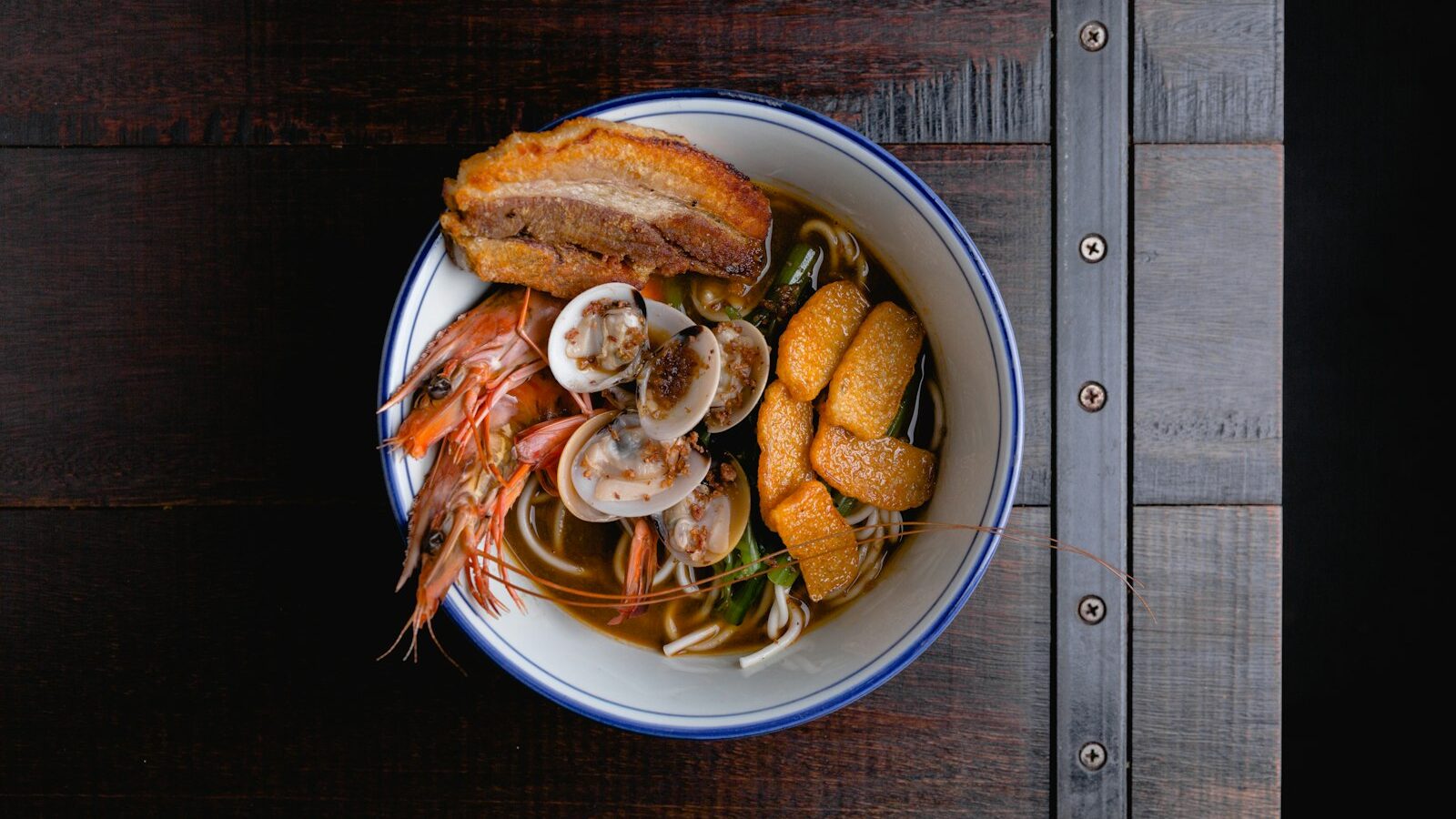
Few things say “let’s eat well tonight” quite like a table of seafood in Singapore. Whether you grew up here or you have just moved in, the ritual is the same: a big round table, a stack of paper napkins, cold drinks sweating in the heat, and a spread of dishes meant to be shared. This guide walks you through the culture, the iconic plates, how live seafood pricing actually works, and how to order for a group without any nasty surprises when the bill arrives.
Seafood here is not a fine-dining event reserved for special occasions. It is everyday, sociable and generous, cooked with bold sauces and a lot of confidence. Once you understand a few basics, you can walk into almost any seafood spot and order like you belong.
The seafood dining culture
Most of the seafood you will eat in Singapore comes from three broad kinds of places, and it helps to know the difference before you sit down.
The first is the zi char stall. Zi char (loosely, “cook and fry”) is the backbone of casual Chinese dining here: a no-frills stall or coffee-shop kitchen turning out wok-fried dishes to order, fast and cheap. Ordering zi char seafood is one of the great pleasures of local eating. You point at a menu board or an English-and-Chinese laminated card, the wok hei (that smoky char from a screaming-hot wok) does its work, and plates arrive one after another to be shared.
The second is the dedicated seafood restaurant. These are a step up in setting and price, often air-conditioned, sometimes with tanks of live seafood by the entrance. This is where you go for a birthday, a family reunion or to impress visiting relatives.
The third is the classic seafood centre, most famously the cluster of open-air places along the East Coast. Picture long tables under the sky, sea breeze, the clatter of shells, and big groups working through crab with their hands. It is loud, messy and completely wonderful. These centres are as much about the atmosphere as the food.
A good rule of thumb: zi char for a relaxed weeknight, a seafood restaurant for a celebration, and a seafood centre when you want the full hands-on, breeze-in-your-hair experience.
Across all three, the spirit is communal. Dishes are placed in the middle, everyone helps themselves, and rice quietly soaks up every last bit of sauce.
The iconic dishes
Some plates appear again and again, and for good reason. If you are new here, working through this list is a delicious education.
- Chilli crab. The one everyone names first. Whole crab in a thick, sweet-and-savoury tomato-and-chilli gravy, loosened with egg so it turns silky. It is more tangy than fiery, and the real move is to order fried or steamed buns (mantou) to mop up the sauce. Messy hands are part of the deal.
- Black pepper crab. Chilli crab’s drier, punchier cousin, coated in a peppery, buttery, aromatic crust. If you prefer heat and fragrance over sweetness, this is your order.
- Sambal stingray. A slab of stingray smeared with spicy sambal, wrapped in banana leaf and grilled until the edges char. The flesh comes away in soft flakes, and a squeeze of lime cuts right through the richness. Sambal stingray is a hawker and zi char favourite for a reason.
- Cereal prawns. Prawns tossed in a buttery, slightly sweet, crunchy cereal crumb, often with curry leaves and a whisper of chilli. Cereal prawn is a crowd-pleaser that even cautious eaters love. Locals will happily eat the crisp shells too.
- Salted egg dishes. Salted egg yolk turned into a rich, savoury, faintly grainy coating for prawns, squid or crab. Golden, indulgent and a little addictive.
- Steamed fish. The quiet hero. A whole fresh fish steamed with ginger, spring onion and light soy, or done “Teochew style” with salted vegetables and sour plum. This is the dish that tells you how good the kitchen (and the fish) really is.
- Gong gong. Small sea snails, boiled and served with a toothpick to winkle the meat out, usually with a chilli dip. More of a fun, snacky starter than a main event, and a lovely bit of local tradition.
You will also meet other regulars: buttered or salted-egg squid, clams or lala in a fragrant broth, hotplate tofu, and green vegetables like sambal kang kong or garlic-fried greens to balance all that richness.
How live seafood pricing works
This is the part that trips up newcomers, so it is worth slowing down. Live seafood (crab, lobster, prawns, certain fish and shellfish) is usually priced by weight, not as a fixed dish price. You will often see a figure quoted “per 100g” or “per kg” on the menu, and the final cost depends on the actual weight of what you choose.
A few things follow from that:
- The price moves with the market. Seafood is seasonal and subject to supply, so what you pay this month may differ from next. Menus sometimes read “seasonal price” or “market price” rather than a printed number. Treat any figure as a rough guide, not a fixed rate.
- Crabs are sold by size. Bigger crabs cost more in total (more weight) and can be better value per bite, but a table of four rarely needs a giant one.
- Ask before you commit. It is completely normal and expected to ask the staff to estimate the weight and the total price before they cook it. A good server will weigh the crab in front of you or give you a clear ballpark.
Doing this once removes almost all the mystery. Nobody minds the question, and it is far better than a surprise at the end.
Quick tips for live seafood
- Ask “how much for this one, roughly?” and let them weigh it before cooking.
- Confirm the cooking style when you pick the crab, so nothing gets lost in translation.
- Remember the sauce dishes (buns, rice, vegetables) add up too, though they are usually gentle on the wallet.
- If a price feels unclear, ask for it to be written down. This is normal practice.
Ordering for a group
Seafood in Singapore is built for sharing, so ordering is really about balance. A simple, reliable formula for a table of four to six:
- One “hero” crab dish, chilli or black pepper, with buns to soak up the gravy.
- One prawn or squid dish, such as cereal prawns or salted egg squid, for contrast in texture.
- One steamed fish, to keep things fresh and light.
- One grilled item, like sambal stingray, for that smoky, spicy hit.
- One vegetable, to cut the richness.
- Rice for everyone, plus buns for the crab.
Scale up gently as the group grows. Add a second crab or a clam dish for eight or more, rather than piling on entirely new categories. It is easy to over-order because everything sounds tempting, so start a little lighter than you think and add a dish if you are still hungry.
If your table includes people who do not eat chilli, most kitchens can go easy on the heat or steam things plainly. Just say so when you order.
Value tips
Eating well here does not require spending a fortune. A few habits keep things friendly on the wallet:
- Lean on zi char. The same beloved dishes, from cereal prawns to sambal stingray, cost noticeably less at a coffee-shop stall than at a smart restaurant, and are often just as good.
- Watch the weight, not just the menu. With live seafood, a slightly smaller crab can feed the table perfectly and cost meaningfully less.
- Fill out the edges cheaply. Vegetables, tofu, rice and buns are inexpensive and stretch a seafood meal comfortably.
- Go for lunch or on a weekday where you can, as some places are calmer and easier to enjoy.
- Choose in-season, locally popular seafood. It tends to be fresher and better priced than something rare or imported.
The best seafood meals here are rarely the most expensive ones. They are the ones where you ordered a good balance, asked the right questions, and left the table happy with sauce on your fingers.
Whether you are a local revisiting old favourites or a newcomer working through the classics for the first time, seafood in Singapore rewards a little curiosity and a healthy appetite. Pull up a chair, order for the middle of the table, and dig in.
Explore more: The best chilli crab in Singapore and A guide to fish head curry