
Strength training is one of the most useful things older adults can do for balance, bone health and independence, yet many seniors feel out of place in a typical gym. Loud music, crowded floors and complicated machines can put people off before they start. A senior friendly gym in Singapore removes those barriers, but you only find one by looking closely before you join.
This guide is not about group exercise classes. It focuses on evaluating the gym itself: the layout, the equipment, the people supervising the floor and how easy the place is to reach and move around in. Use it on a trial visit, whether you are choosing for yourself or helping a parent.
Before starting any new exercise routine, especially with a heart condition, joint replacement, diabetes or a history of falls, check with your doctor or polyclinic about what is safe for you.

The Main Types of Gyms Seniors Use
Singapore has several kinds of gyms, and each suits older members differently.
- Public gyms in sports centres and community clubs. ActiveSG, the national sports movement under Sport Singapore, runs gyms in many neighbourhoods. They tend to be practical and close to home, though crowd levels vary by time of day.
- Commercial chain gyms. These often have the widest range of equipment and long opening hours, but the atmosphere can be busy and geared towards younger members.
- Boutique and personal training studios. Smaller spaces with more one-to-one attention, usually at a higher cost.
- Senior-focused or rehabilitation-style gyms. Some community facilities, eldercare centres and private providers offer gyms designed for older adults, often with equipment that uses air pressure instead of heavy weight stacks.
For a general overview of comparing gyms on price, contracts and location, see our guide on how to choose a gym in Singapore. The rest of this article covers the features that matter specifically for seniors.
Layout and Accessibility: Walk It Before You Join
The physical space is often the deciding factor. Visit at the time you would normally train and pay attention to the following.
Getting there. Is the gym near a bus stop or MRT station with sheltered walkways? Is there a lift if it is not on the ground floor? Steep ramps or long staircases can make regular visits harder than they need to be.
Floor space. Look for wide gaps between machines so you can move without squeezing past others. Cluttered floors with loose weights and cables are a trip hazard.
Flooring. Rubber flooring with good grip is ideal. Watch out for slippery areas near water coolers and changing rooms.
Lighting and noise. Bright, even lighting helps with depth perception. Music should not be so loud that you cannot hear an instructor or a warning.
Changing rooms and toilets. Check for grab bars, benches to sit on while changing, non-slip mats and enough space to move with a walking aid. Accessible toilets are a strong sign the gym has thought about older and disabled members.
Places to rest. Seating around the floor lets you recover between exercises without feeling in the way.
If you are already making changes at home for safety, many of the same principles apply here. Our guide to senior-friendly home modifications covers grab bars, lighting and flooring in more detail.
Equipment That Suits Older Bodies
Not every machine is designed with seniors in mind. On your trial visit, try sitting on and adjusting a few pieces.
- Low starting weights. Some machines start at a weight that is already too heavy for beginners. Look for small increments so you can progress gradually.
- Easy entry and exit. Machines with seats at a comfortable height, and handles to push up from, are easier for people with knee or hip issues.
- Clear instructions. Large, readable diagrams on each machine help, especially for those with weaker eyesight.
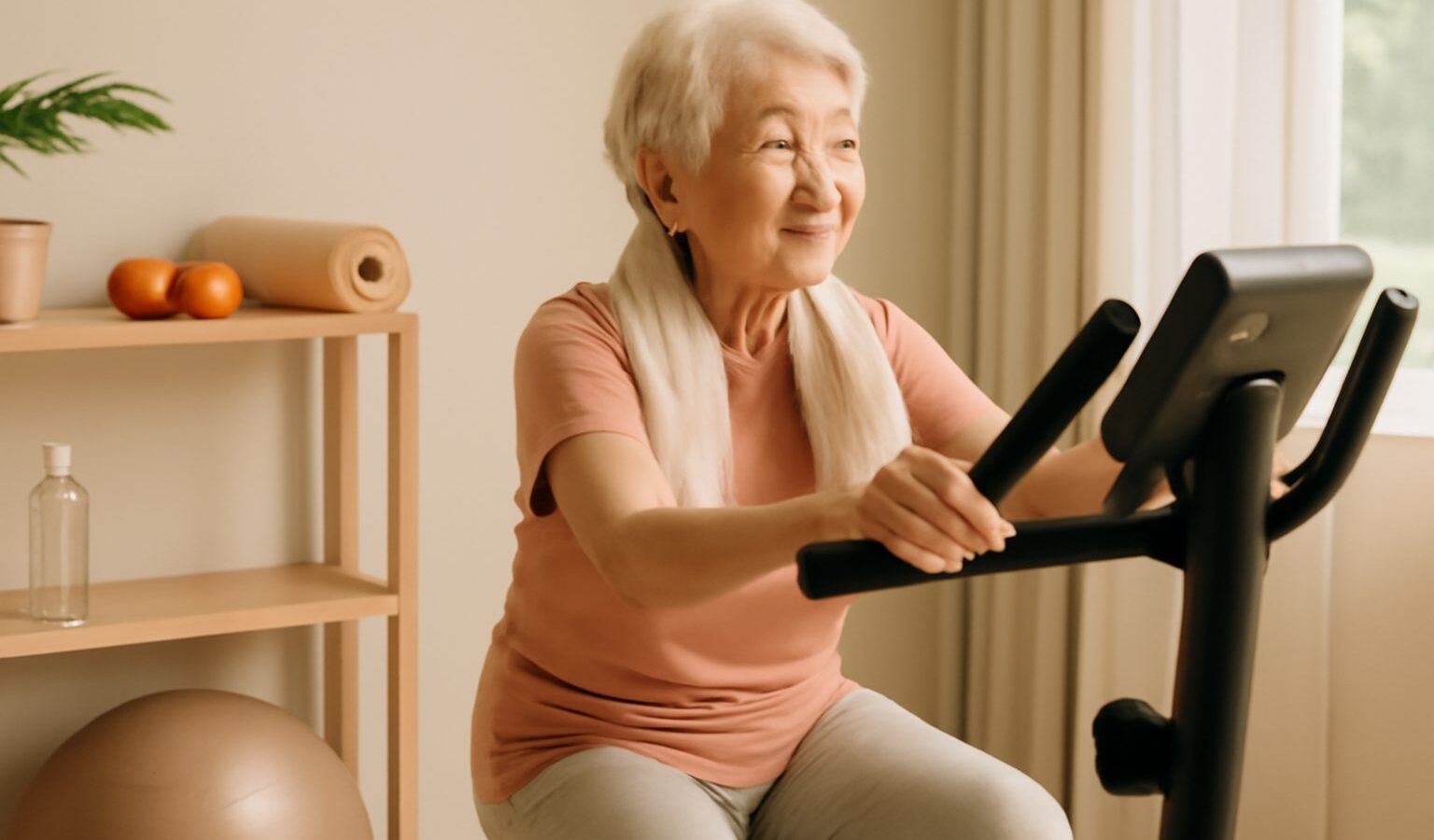
- Recumbent bikes and seated steppers. These offer cardio with back support and less strain on joints than treadmills.
- Treadmills with safety features. Look for side rails, low starting speeds and an emergency stop clip.
- Space for functional training. An open area with mats, light dumbbells, resistance bands and a sturdy chair allows balance and sit-to-stand practice, which closely matches daily life.
Supervision and Staff Support
Good supervision often matters more than fancy equipment. Ask these questions directly.
- Is there staff on the floor during off-peak hours? Many seniors train mid-morning when gyms may run on minimal staffing.
- Are trainers experienced with older adults? Ask what qualifications or experience they have in working with seniors or people with chronic conditions.
- Is there an orientation session? A proper introduction to the machines reduces the risk of injury.
- What happens in an emergency? Ask whether staff are trained in first aid and CPR, and whether there is an AED (automated external defibrillator) on site.
- Will staff respect medical limits? A good trainer will ask about your health history and adapt exercises, rather than push a one-size-fits-all programme.
A Quick Comparison of What to Check
Use this table during a trial visit to compare gyms side by side.
| What to check | Good sign | Warning sign |
|---|---|---|
| Access | Lift, sheltered path, close to public transport | Stairs only or a long uncovered walk |
| Floor layout | Wide aisles, tidy weights, rubber flooring | Cramped machines and cables across the floor |
| Equipment | Low starting weights, seated cardio, clear diagrams | Only heavy free weights and complex machines |
| Supervision | Staff on the floor at off-peak times | Unstaffed periods with no one to ask |
| Safety | AED visible, first aid trained staff, grab bars | No emergency plan staff can explain |
| Atmosphere | Mixed ages, calm, friendly front desk | Loud, crowded and intimidating at your usual time |
Membership Terms and Practical Details
Once a gym passes the physical test, read the fine print.
- Trial passes. Many gyms offer a trial or day pass. Use it before committing to a long contract.
- Contract length and cancellation. Check whether you can freeze or cancel for health reasons or long trips overseas, and what notice is needed.
- Concessions. Some gyms offer senior rates or off-peak memberships. Ask at the counter, as these can change.
- Hidden costs. Ask about locker fees, towel charges and whether personal training is separate.
- Peak hours. Ask staff when the gym is quietest so you can plan your sessions.
Prices and concessions vary by operator and change over time, so confirm the current terms directly with the gym before signing.
Staying Safe and Motivated Once You Join
A gym only helps if you keep going. A few habits make that easier.
- Start slowly. Two or three short sessions a week is a sensible start for many beginners, adjusted to what your doctor advises.
- Wear proper shoes. Supportive, well-fitting trainers protect your feet and improve balance. Our guide on how to look after your feet has more on footwear and foot care.
- Stay hydrated. Bring a water bottle and drink regularly, especially after walking to the gym in Singapore’s heat.
- Go with a friend. Training with a spouse, sibling or neighbour adds safety and makes it social.
- Stop if something feels wrong. Chest pain, dizziness or sudden shortness of breath are signals to stop and seek medical help.
Choosing With Confidence
The right senior friendly gym in Singapore is one you can reach easily, move around safely and use with proper guidance. Visit at your usual training time, try the equipment, ask about supervision and emergency readiness, and read the membership terms before signing. With the right place, strength training can become a lasting part of healthy ageing.
Frequently Asked Questions
Is strength training safe for seniors with osteoporosis or high blood pressure? Often it can be part of a plan, but check with your doctor first. Strength work may help bone and muscle health, yet some movements and heavy straining are unsuitable for certain conditions. Ask which exercises to avoid and what intensity is appropriate, and tell the gym staff about your condition.
Is a personal trainer worth it for an older beginner? For many beginners, a few sessions are worthwhile, because a good trainer teaches safe technique, sets sensible loads and works around joint problems. Look for experience with older adults and ask for a clear plan. You can then train on your own, returning for a review now and then.
Is a gym better than exercising at home or at a fitness corner? Each has benefits. A gym offers adjustable equipment and supervision, which helps with progressive strength training. Home exercise and park fitness corners are free, convenient and gentler to begin with. Many seniors combine them, using a gym once or twice a week and walking or stretching on other days.
What should seniors wear and bring to the gym? Wear breathable clothes you can move freely in, and supportive closed shoes with good grip. Bring a water bottle, a small towel and any medication you need, and keep a note of emergency contacts. Avoid loose items that could catch on machines, and tell staff about any health conditions.
How soon will I notice results from gym workouts? Many people feel somewhat more energetic or steadier within a few weeks, though visible strength gains usually take longer and differ from person to person. Regular sessions matter more than intensity. Track simple things such as how easily you climb stairs or stand up, and keep your doctor informed.