
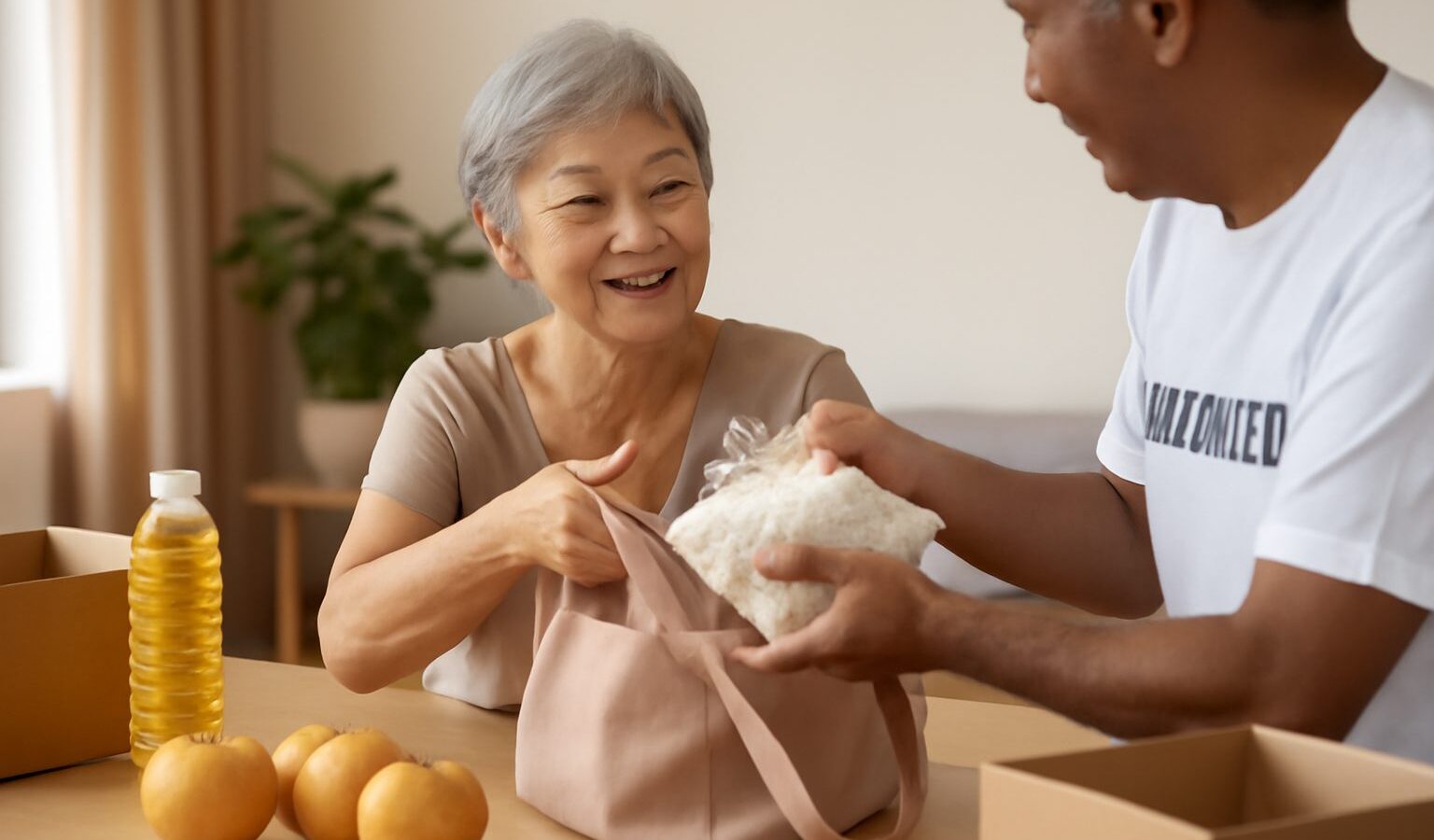
Many retirees say they want to give back, then find themselves stuck at the next step: where exactly do you go, and who do you call? The good news is that becoming a senior volunteer in Singapore is often easier close to home than people expect. Most towns have community spaces, eldercare centres, libraries and grassroots groups that welcome regular, reliable help, and many value the patience and life experience older volunteers bring.
This guide is about finding concrete opportunities near where you live, matching them to your energy and interests, and taking that first step. Programme names, sign-up processes and requirements change over time, so check current details with each organisation before you commit.

Start With a Simple Self-Check
Before searching, spend ten minutes on three questions. They make it much easier to choose.
- How much time can you give? A fixed weekly slot, a few hours a month, or one-off events only?
- How far will you travel? Walking distance, one bus ride, or anywhere on the MRT?
- What do you enjoy? Talking with people, working with your hands, teaching, organising, being outdoors, or behind-the-scenes admin?
Also think honestly about health. If you have mobility, heart or other medical concerns, choose roles that suit you and check with your doctor if you are unsure about anything physically demanding. Many valuable roles involve sitting, chatting or simple admin.
Where to Look in Your Own Neighbourhood
The best starting points are usually places you already pass every week.
SG Cares Volunteer Centres. These town-based centres help residents find volunteering opportunities in their own area and connect them with local organisations. Ask at your community centre or search online for the centre that covers your town.
Active Ageing Centres. These neighbourhood centres, previously often called senior activity centres, run activities for older residents and frequently look for volunteers to help with exercise sessions, befriending and events. Volunteering at one is also a good way to understand what services exist for your own later years. If you want to visit one first as a participant, our guide on choosing a senior activity centre explains what to look for.
Community centres and residents’ networks. Grassroots groups organise festive events, estate activities and outreach. They often need help with registration, logistics and welcoming residents.
Public libraries. Libraries have run volunteer programmes in areas such as reading sessions for children and helping visitors. Ask at the counter or check the library’s website.
Hospitals and community hospitals. Many have volunteer programmes for roles such as wayfinding, patient befriending and helping at events. Expect an application, a briefing and sometimes health requirements.
Places of worship and clan or community associations. These often run food distribution, visits and cultural activities and may be the most familiar setting for some retirees.
Online platforms. Giving.sg, the national giving and volunteering platform, lists opportunities you can filter by cause, date and location. It is useful if you are comfortable with apps, or if a family member can help you browse.
Types of Roles and What They Involve
Once you know where to look, it helps to know what the roles are really like day to day.
| Type of role | What you would do | A good fit if you |
|---|---|---|
| Befriending | Visit or call isolated seniors regularly | Enjoy conversation and can commit long term |
| Outreach ambassador | Visit residents to share information on schemes | Like meeting new people and walking the estate |
| Centre helper | Help run exercise, crafts or games sessions | Prefer a fixed place and routine |
| Food distribution | Pack and deliver food or groceries | Are reasonably mobile and like practical tasks |
| Tutoring or reading | Help children or adults with reading or homework | Have patience and a teaching background |
| Nature and heritage guiding | Help at parks, museums or heritage events | Love history, plants or speaking to groups |
| Admin and skills-based | Help with accounts, writing, IT or translation | Want to use professional skills from your career |
One well-known example of outreach is the Silver Generation Ambassador programme, coordinated by the Agency for Integrated Care (AIC), in which volunteers visit seniors at home to share information about government schemes and services and check on their wellbeing. Volunteers typically receive training before they start. Check AIC’s website for current details on how to sign up.
Using Your Language and Life Experience
Older volunteers bring something younger ones often cannot: shared history and languages. If you speak Mandarin, a Chinese dialect such as Hokkien, Cantonese or Teochew, Malay or Tamil, mention it when you sign up. Many seniors who need befriending or information are more comfortable in their own language, and organisations often struggle to match them.
Your career skills also matter. Former teachers, nurses, accountants, engineers and administrators can contribute in ways that go beyond general help. Some organisations look for board members, mentors or volunteers to help with planning.
If you are interested in active ageing beyond volunteering, the Council for Third Age (C3A) promotes learning and active ageing, and its programmes and resources may give you more ideas.
Taking Your First Step
Signing up can feel daunting after decades away from interviews. Keep it simple:
- Pick two or three options within easy travel distance.
- Visit or call and ask what volunteers do, how often, and what training is given.
- Ask practical questions: Is there a minimum commitment? Is there a briefing? Who do I report to? What happens if I fall ill?
- Try a one-off event first if you are unsure. Festive events and food drives are good taster sessions.
- Commit to a short trial, such as a month, before deciding on a long-term role.
Some roles require basic paperwork, such as personal details, an emergency contact or a short orientation. Roles involving children or vulnerable people may involve additional checks. These are normal safeguards.
Keeping It Enjoyable and Sustainable
Volunteering should add to your life, not drain it.
- Start small. It is easier to add hours than to back out of a big commitment.
- Go with a friend or spouse. Many retirees find it easier to start in pairs.
- Say no without guilt. Organisations understand that volunteers have family duties, travel and health appointments.
- Notice how you feel. If a role is too physically or emotionally demanding, ask for a different one.
- Look after yourself. Befriending lonely or unwell seniors can be emotionally heavy. Talk to your coordinator if something worries you.
For a broader look at causes and how volunteering works across Singapore, see our guide on how to volunteer in Singapore. And if a grandchild is keen to help too, helping your teen volunteer has ideas for doing it together, which can be one of the most rewarding ways to spend a Saturday morning.
Frequently Asked Questions
Is there an age limit for senior volunteers? Many organisations welcome older volunteers and value their patience and experience. Some roles are physically demanding, so the real question is what suits your health and energy. Ask each organisation about its requirements, and choose a role that matches how you feel.
Do I need experience or training to volunteer as a senior? Usually not. Many roles are open to beginners, and volunteers typically receive a briefing or training before they start, as with outreach programmes run with AIC. Ask what orientation is given and who you report to before committing.
Can I volunteer if I have a health condition? Often yes, as many valuable roles involve sitting, chatting or simple admin. Choose a role that suits you, and check with your doctor if you are unsure about anything physically demanding. Tell the coordinator about your limits so they can plan around you.
Will I be paid or reimbursed for volunteering? Volunteering is generally unpaid. Whether any expenses such as transport are covered differs between organisations, so ask before you start. Think of the return as purpose, company and learning, and confirm any practical arrangements with the coordinator.
Do volunteer roles with children or seniors involve background checks? Roles involving children or vulnerable people may involve additional checks, which are normal safeguards. Expect some paperwork such as personal details and an emergency contact, plus a short orientation. Ask the organisation what applies to the specific role.