
Few things help you feel at home in a new city faster than knowing how to get around. Singapore’s network is clean, safe, and easy to use once you understand the basics, and sorting out public transport on arrival Singapore is one of the most satisfying early wins for any newcomer. Within a day or two you can move confidently from your temporary base to viewings, appointments, and your favourite new hawker centre.
This guide covers how to pay for rides, how the trains and buses fit together, and the apps worth having on your phone. It sticks to how the system works rather than quoting fares, because prices change and you can always check the current amount at the point of travel.
Paying for Your Rides
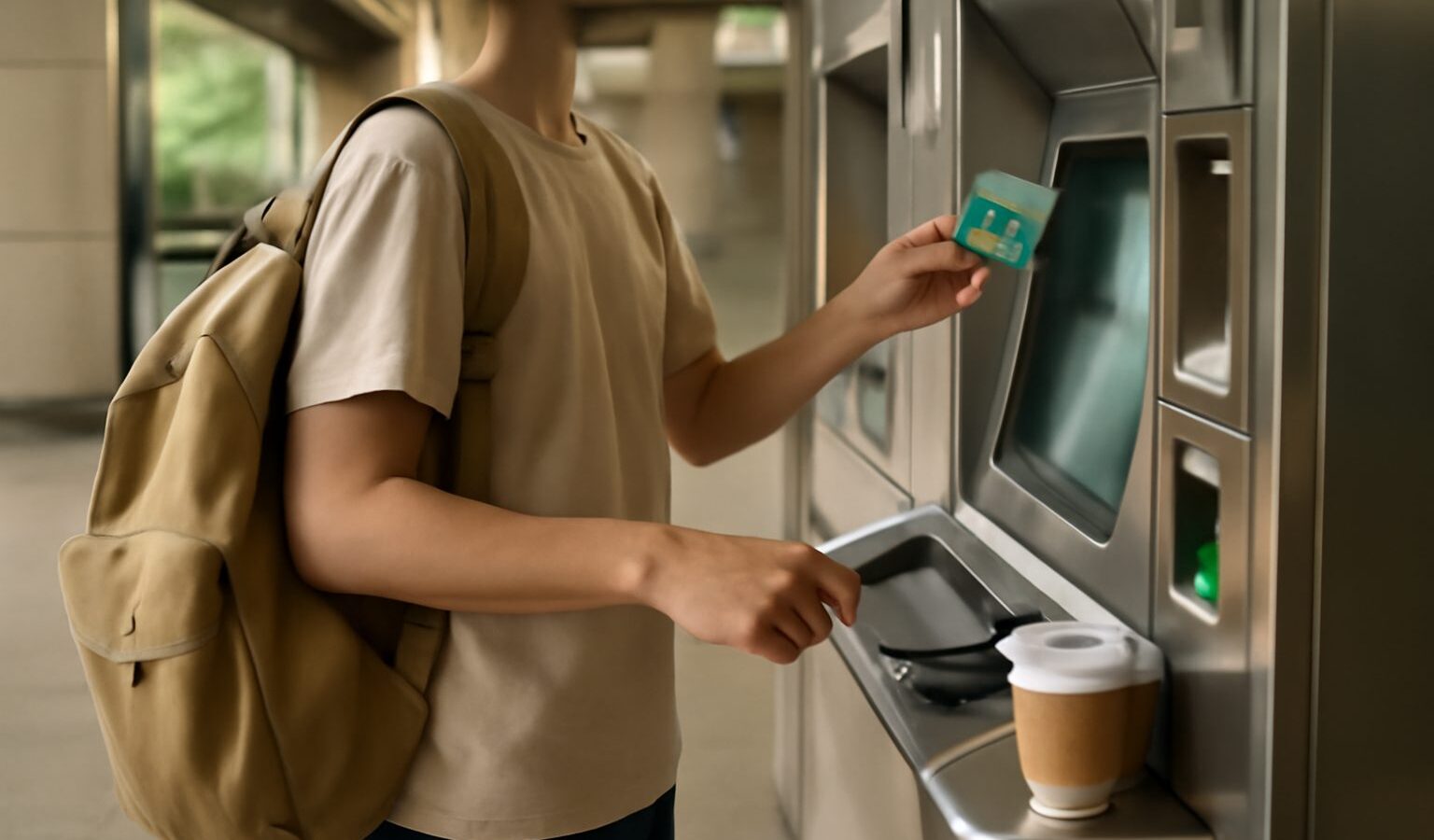
The first step is being able to tap in and out. Singapore uses a contactless system, so you touch a card to the reader when you board and, on trains and most buses, again when you alight. There is no need for paper tickets on everyday journeys.
SimplyGo and Contactless Options
The account-based system is known as SimplyGo, and it lets you pay for public transport in a few different ways. Many visitors and new arrivals simply tap a contactless bank card or a phone or watch linked to a mobile wallet, and the fare is charged to that card. If you would rather not use your bank card, you can buy a dedicated stored-value transit card, top it up, and tap that instead.
Whichever route you choose, the principle is the same. Tap on when you start, tap off when you finish, and the system works out the fare based on distance. If you use a bank card or wallet, you can track your trips through the relevant app, which is handy for keeping an eye on spending while everything is new.
A gentle tip for your first week: pick one payment method and stick with it. Do not tap on with your bank card and off with a different card, because the system needs to see the same card at both ends to charge you correctly.
Understanding the Network
Singapore’s public transport rests on two main pillars, the rail network and the buses, and they are designed to work together.
The MRT and LRT
The Mass Rapid Transit, or MRT, is the backbone of the system. Its coloured lines criss-cross the island and connect most places you will need to reach, from the city centre to the airport and the residential heartlands. Lines are identified by colour and name, and stations by a letter and number code, which makes it easy to plan a route even before you can pronounce every station name. In some newer estates, a lighter system called the LRT links neighbourhoods to the nearest MRT station.
Trains are frequent, air-conditioned, and generally punctual. Signage is in English, maps are everywhere, and platform screens tell you when the next train arrives. Within a couple of trips you will feel like a regular.
Buses
Buses reach the corners the trains do not, weaving through neighbourhoods and stopping close to homes, schools, and shops. They are especially useful for short local hops and for routes where a bus is more direct than changing trains. You board at the front and tap your card, and on most services you tap again as you get off, so the distance-based fare is correct.
Buses can feel a little daunting at first because you need to know which stop is yours, but the apps below take away the guesswork by showing your location and the next stop in real time.
Apps That Make It Easy
A few free apps turn the network from puzzling to effortless. A good journey planner lets you type where you are and where you want to go, then lays out the fastest routes, the platforms, and how long each leg takes. Official transport apps also show live bus arrival times, so you know whether to dash for the stop or wait comfortably.
Here is a simple checklist for getting set up on arrival.
| Step | What to do |
|---|---|
| Choose a payment method | A contactless bank card, mobile wallet, or a stored-value transit card |
| Learn the tap routine | Tap on when you board, tap off when you alight |
| Download a journey planner | Use it to map routes across the MRT and buses |
| Add a live arrivals app | Check real-time bus and train timings |
| Do a practice trip | Ride a short, familiar route to build confidence |
Work through the list in your first few days and the rest will come naturally. A short practice journey, perhaps to a nearby mall or park, is a lovely low-stakes way to learn the tapping routine and read the signage without any pressure.
Everyday Tips for Newcomers
A little local know-how goes a long way. Keep to the left on escalators so people in a hurry can pass on the right. Move into the centre of the carriage to make room, and offer priority seats to those who need them. Eating and drinking are not allowed on trains and buses, so finish your kopi before you tap in.
Peak hours in the morning and evening can be busy, so if your schedule is flexible while you settle in, travelling slightly outside those windows is more comfortable. And if you ever board the wrong bus or miss a stop, do not worry. Alight at the next stop, cross the road, and hop on one going back. It happens to everyone, and it is all part of learning your new city.
Getting Moving
Setting up public transport is one of the first steps that makes Singapore feel like home rather than a place you are visiting. Choose a payment method, master the simple tap-on and tap-off routine, load a journey planner onto your phone, and take a gentle practice trip to build your confidence.
Do that, and the whole island opens up to you. Instead of relying on lifts or expensive rides, you can travel freely, spontaneously, and cheaply, exploring neighbourhoods and finding your favourite spots. That freedom to move is one of the quiet joys of living here, and it is yours within your very first week.