
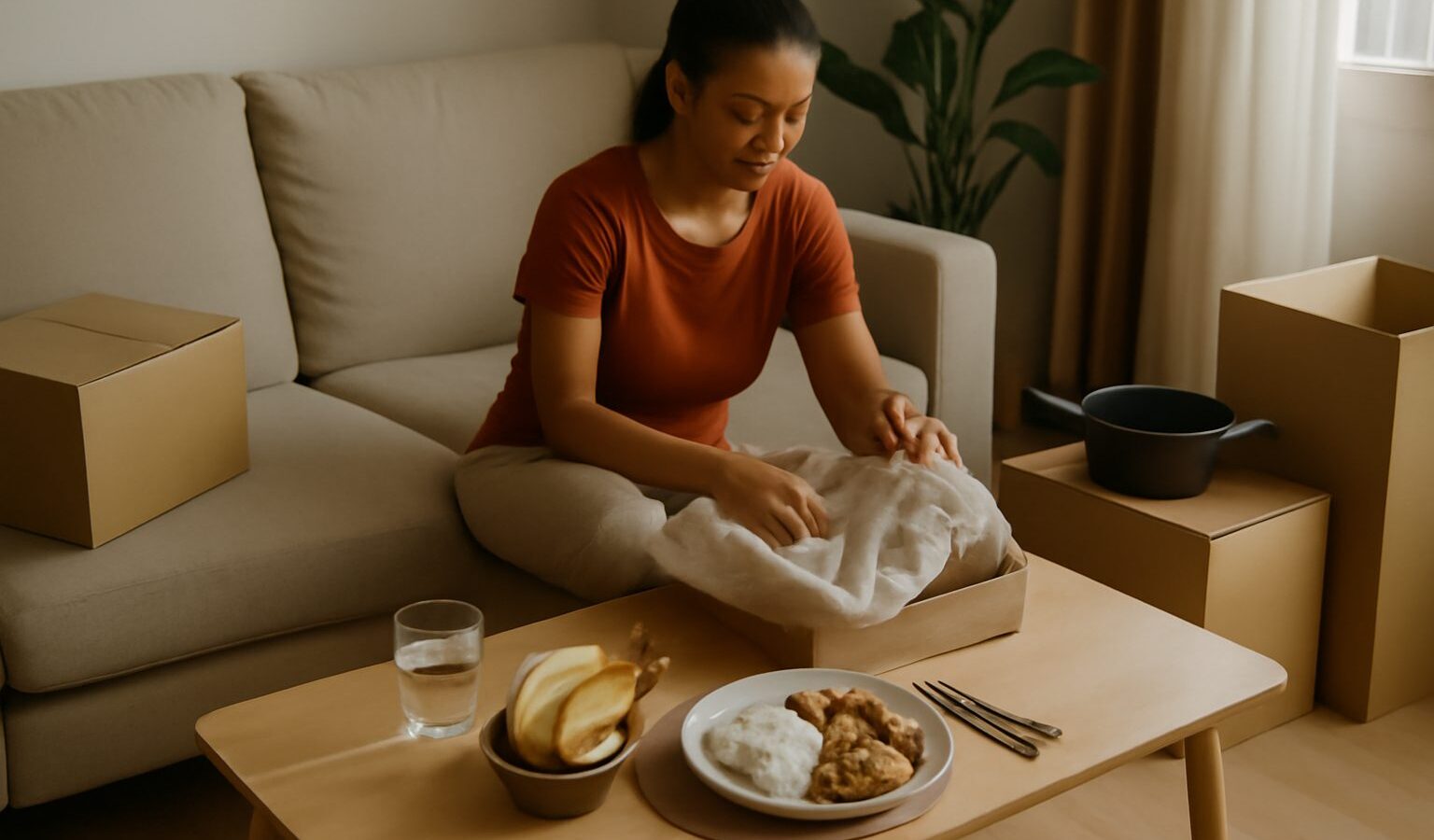
Signing a lease is only the beginning. The real budgeting challenge for new arrivals is everything it takes to turn an empty or half furnished flat into a working home. The cost of setting up home Singapore side of a move is easy to underestimate, because it arrives as a flurry of separate expenses in your first few weeks. This guide walks through the main categories so you can plan sensibly, without any nasty surprises.
Prices vary widely depending on your choices, your neighbourhood and the market at the time, so this article deliberately avoids quoting figures. Instead, it gives you a framework for thinking about where your money will go, so you can gather current prices for your own situation and build a realistic budget. Treat it as general guidance to shape your planning.
The Upfront Costs of a New Home
Before you buy a single cushion, several sizeable costs land at the start of a tenancy. A rental deposit is usually the largest, and there may be additional deposits or advance rent depending on the arrangement. It helps to treat these as money you set aside rather than money you spend, since a deposit is typically returned at the end of the lease, but you still need it available on day one.
Utilities and services come with their own setup steps and, sometimes, deposits or connection arrangements. Electricity, water and gas need to be in place before you can comfortably live in the home, and internet and a mobile plan usually follow quickly, because modern life grinds to a halt without them. Building these into your first month budget stops them from catching you off guard.
Whether your home comes furnished, partly furnished or unfurnished makes an enormous difference to what follows. A furnished flat may cost more in rent but save you a wave of purchases, while an unfurnished one may rent for less but ask you to buy almost everything. Weighing the rent against the setup cost, rather than looking at rent alone, gives you the true picture of what a home will cost you in that crucial first stretch.
Furniture, Appliances and Essentials
Furniture is often the biggest one off outlay after the deposit. Beds, sofas, dining sets, wardrobes and storage add up quickly if you buy everything new at once. Many newcomers spread the cost by prioritising the essentials first, such as somewhere to sleep and somewhere to eat, then filling in the rest over the following weeks as they learn what the home actually needs.
Appliances deserve careful thought, since they are both necessary and potentially pricey. Depending on what the property includes, you may need a refrigerator, a washing machine, air conditioning servicing, a kettle, a microwave and cooking equipment. Checking exactly what comes with the home before you sign avoids doubling up or discovering a gap on your first evening.
Then there is the long tail of smaller essentials that quietly adds up. Bedding, towels, kitchenware, cleaning supplies, curtains, light fittings and all the little things you never notice until you need them can together rival a big purchase. Making a room by room list before you shop keeps this in check and stops you buying on impulse in the stressful early days.
The table below groups the main areas to help you structure your own budget. Fill in current prices yourself, and consider both new and second hand options for each.
| Category | What it covers | Ways to manage the cost |
|---|---|---|
| Upfront | Deposits, advance rent, utility setup | Set aside deposits separately, confirm what is refundable |
| Furniture | Beds, sofas, tables, storage | Buy essentials first, consider second hand, spread over time |
| Appliances | Fridge, washer, cooking, cooling | Check what the property includes before buying |
| Essentials | Bedding, kitchenware, cleaning items | Make a room by room list, buy in stages |
Ways to Keep Costs Sensible
There is more than one route to furnishing a home, and the cheapest is not always the best for your particular stay. If you are here for a shorter posting, renting furniture or choosing a furnished flat can make more sense than buying items you will only have to sell again when you leave. For a longer stay, buying, whether new or second hand, often works out better over time.
Singapore has an active second hand market, and moving households frequently sell good quality furniture and appliances as they depart. Buying pre loved items can save a striking amount, particularly for big pieces, and it is kinder to the environment too. Timing your search around common moving periods can turn up better choices, as more households are clearing out at once.
Prioritise ruthlessly in the first weeks. You need a bed, a way to cook and eat, somewhere to sit and the means to stay clean and connected, and almost everything else can wait. Living with the essentials for a little while lets you learn how you actually use the space before committing to bigger purchases, which often saves both money and regret over choices made in a rush.
Budgeting With Confidence
The smartest thing you can do is build a written setup budget before you arrive, separate from your ongoing monthly costs. Setting up home is largely a one off surge of spending, and treating it as its own pot, funded deliberately, stops it from bleeding into the money you need for everyday living. Add a contingency for the inevitable extras, because there are always a few.
The cost of setting up home Singapore families and individuals face is very manageable once it is broken into clear categories and planned for in advance. Get current prices for your own choices, decide early between renting, buying new and buying second hand, and tackle the essentials first. Do that, and the empty flat you walk into becomes a comfortable home without derailing your finances in the process.