
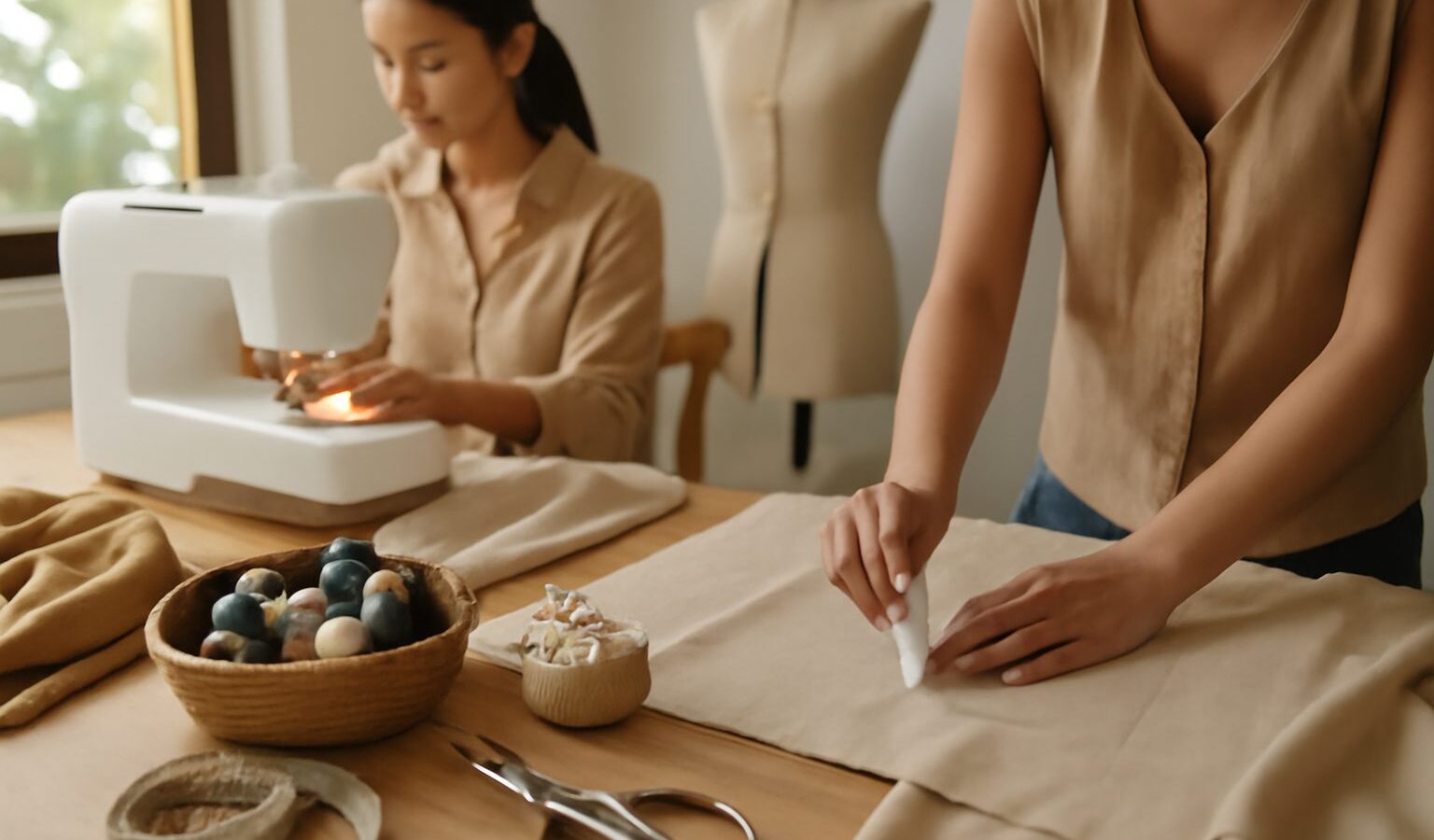
There is a quiet magic in making your own clothes. You choose the fabric, you shape it to your body, and you end up with something that fits the way nothing off the rack ever quite does. A sewing class Singapore beginners can join is the gentlest way into that world. An experienced teacher shows you how the machine works, walks you through your first project step by step, and before long you are hemming, seaming and even making a simple garment from scratch.
This guide covers what a beginner sewing or dressmaking class is really like, the skills you will pick up, what to bring, the safety habits that keep your fingers happy, and how to choose a class that suits your goals. No prior experience needed, just curiosity and a willingness to unpick a few stitches along the way.
Why sewing is such a satisfying skill
Sewing is one of those rare hobbies that is both creative and genuinely useful. On one hand, you get the joy of choosing colours, prints and textures and watching a flat piece of fabric become something you can wear or use. On the other, you gain practical skills that save you money and reduce waste. Once you can sew, a fallen hem, a loose button or a gaping seam is a five minute fix rather than a trip to the tailor or the bin.
It is also a wonderfully calming activity. The rhythm of guiding fabric under the needle, the focus of matching seams, the small triumph of a neat finish; all of it pulls your attention away from screens and into your hands. Many people describe sewing as a form of mindfulness that happens to leave you with a wardrobe.
In our climate, making your own clothes has a real appeal. You can choose light, breathable fabrics such as cotton and linen that suit the heat and humidity, and you can adjust patterns for the fit and coverage you actually want. A good teacher will help you pick fabrics that behave well for beginners and feel comfortable in Singapore weather.
What you learn in a beginner class
Most beginner classes start with the machine itself, because it can look intimidating before you understand it. You will learn to thread the machine, wind and load a bobbin, adjust stitch length and tension, and sew a straight, even line. Teachers usually have you practise on scrap fabric first, so you build confidence before committing to a real project.
From there you move into core techniques: sewing seams, pressing them open with an iron, finishing raw edges so they do not fray, and turning corners neatly. You will learn to read a simple pattern, pin and cut fabric accurately, and follow instructions step by step. Pressing as you go is one of those small habits that makes a huge difference, and a good teacher will drum it in early.
Beginner projects are chosen to teach these skills gently. A tote bag or cushion cover introduces straight seams and finishing. A simple skirt with an elastic waist teaches you to sew curves and hems. As you progress into dressmaking, you might tackle a loose top, a simple dress or a pair of easy trousers, learning to take body measurements and choose the right pattern size along the way.
Sewing safely and comfortably
Sewing is a gentle hobby, but a sewing machine needle moves fast and irons get hot, so a little care goes a long way. The golden rule is to keep your fingers clear of the needle and to slow the machine down whenever you sew near your hands. Never sew over pins at speed, guide the fabric rather than pulling it, and keep your eyes on the needle while it is moving. If the machine jams, stop and ask your teacher rather than forcing it.
Take care with the iron too, as pressing is part of nearly every project. Rest it on its heel when not in use, keep the flex out of your path, and switch it off when you are done. Good lighting and a comfortable chair matter more than you might think, since sewing involves close, detailed work; take a break and stretch if your neck or eyes tire. Follow your teacher’s guidance, work at a calm pace, and sewing stays a safe and relaxing pleasure.
What to bring and what to expect
Many studios provide machines, so you can turn up and start without buying anything first, which is ideal for testing the waters. It is worth checking in advance whether fabric, thread and a basic sewing kit are included or whether you should bring your own. Wear comfortable clothes, bring a pair of glasses if you need them for close work, and come ready to concentrate and enjoy yourself.
| Consideration | Beginner sewing basics | Dressmaking course |
|---|---|---|
| Focus | Machine skills and simple projects | Making garments that fit your body |
| First projects | Tote bag, cushion cover, easy skirt | Simple top, dress or easy trousers |
| Key skills | Straight seams, hems, edge finishing | Patterns, measuring, fitting, shaping |
| Time commitment | Short session or a few classes | Usually a course over several weeks |
| Best for | Learning the machine and having fun | Building a handmade wardrobe |
| Equipment | Often provided; check before booking | Often provided; you may add your own |
Do not expect perfection on day one. Beginner sewing involves plenty of unpicking, and every maker, however experienced, unpicks stitches. Teachers expect it and will show you how to do it neatly. The aim of a first class is to leave with a finished project and the confidence to try the next one on your own.
How to choose the right class
Think about what draws you in. If you mainly want to fix and alter clothes and make simple home items, a general beginner sewing class is perfect. If your heart is set on making your own dresses and tops, look for a class that specifically mentions dressmaking and pattern work. Consider the class length and group size too; smaller groups mean more attention, which really helps when you are learning to thread a machine for the first time.
Check whether the class is a one off taster or part of a progressive course, and whether machines and materials are provided. Read reviews from past students, and if you are keen to learn with a friend, ask whether private or small group sessions are available. Most of all, choose something that fits comfortably into your week so that sewing becomes a habit you look forward to rather than a chore.
Keeping it going
Once you have a few projects under your belt, the hobby tends to grow with you. You might invest in your own machine, start a small stash of fabrics you love, and build a little library of patterns. Many studios run intermediate classes for zips, buttonholes, linings and tailored fits, so there is always a next skill to learn. Sewing communities, both online and in person, are famously friendly and full of tips.
The beauty of a sewing class Singapore makers recommend is that it opens a door that stays open. Every hem you take up, every dress you finish and every gift you stitch adds to your skill and your satisfaction. Book that first session, thread that first bobbin, and enjoy the deeply human pleasure of making something to wear with your own two hands.