
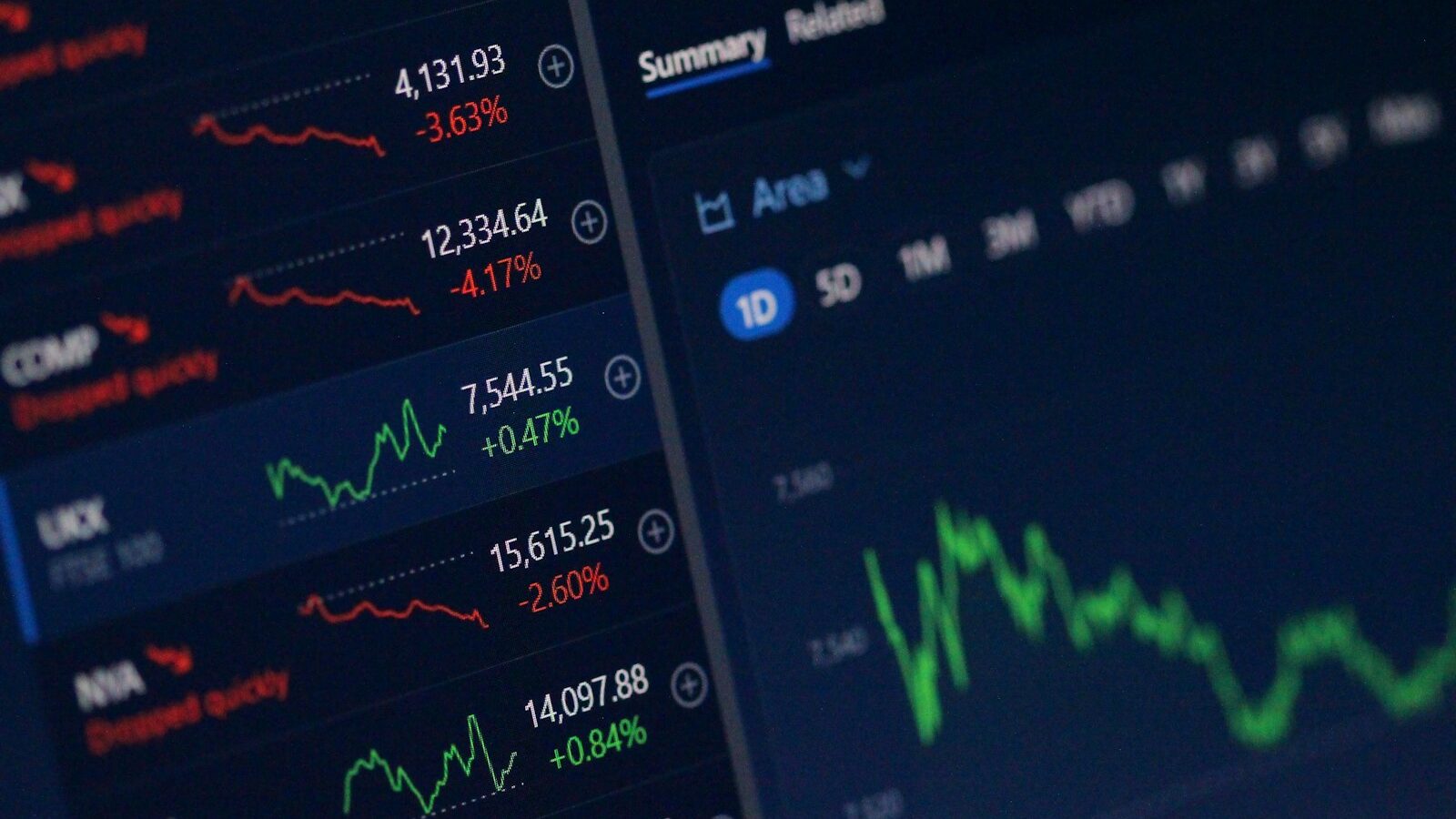
Buying shares on the Singapore Exchange, or SGX, is more accessible than many beginners expect. With an account and a little knowledge, you can own a piece of listed companies and participate in their growth and dividends. This guide walks through how to get started with SGX stocks, from the accounts you need to the habits that separate steady investors from anxious ones.
This is a general overview, not financial advice. Buying shares carries risk, including loss of capital, and prices fluctuate. Consider your situation and seek professional advice if unsure.
What you need to start
To buy local shares, you generally need two things:
- A brokerage account, which lets you place buy and sell orders.
- A Central Depository account, commonly called a CDP account, which holds the shares in your own name for many local trades. Some brokers use a custodian arrangement instead, where the broker holds the shares on your behalf.
Understanding whether your shares sit in your CDP or with a custodian matters for how they are held and any related fees, so check how your chosen broker operates.
How buying shares works
Once your accounts are open, buying a stock is a matter of placing an order through your broker’s platform. A few basics to know:
- Lot sizes. Shares often trade in standard lots, though smaller quantities are possible in some cases.
- Order types. A market order buys at the current price, while a limit order sets the maximum you are willing to pay.
- Settlement. After a trade, there is a short settlement period before it fully completes.
Start with small, simple orders while you get comfortable with the mechanics.
The costs involved
| Cost | What it is |
|---|---|
| Brokerage commission | The fee your broker charges per trade |
| Clearing and exchange fees | Small charges applied to trades |
| Custody fees | Possible fees where a custodian holds your shares |
| The spread | The gap between the buy and sell price |
Frequent trading multiplies these costs, which is one reason a patient, long-term approach usually serves beginners better than constant buying and selling.
Building sensible habits
- Diversify. Do not put everything into one company. Spreading across several, or using funds and ETFs alongside individual stocks, reduces risk.
- Invest regularly. Putting in a fixed amount on a schedule smooths out the ups and downs over time.
- Focus on the long term. Short-term price moves are noise. Quality companies held for years are where many investors find success.
- Understand what you own. Know the business behind the ticker, how it makes money and its risks.
- Keep emotions in check. Panic selling in a dip and greedy buying in a boom are how beginners get hurt.
Common mistakes to avoid
- Speculating on tips. Buying because someone hyped a stock, without understanding it, is gambling, not investing.
- Overtrading. Every trade costs money and rarely improves returns.
- Investing money you need soon. Shares can fall, so only invest funds you can leave for years.
- Ignoring dividends. For many local blue-chip companies, dividends are a meaningful part of the total return.
Fitting stocks into your plan
Individual SGX stocks can be a rewarding part of a portfolio, but they work best alongside a foundation of diversified funds, your CPF, adequate insurance and an emergency buffer. Decide how much of your long-term money you want in individual shares versus broader funds, and keep enough cash outside the market for near-term needs.
How to research a company
Before buying a stock, spend a little time understanding the business. You do not need a finance degree, just a habit of asking sensible questions.
- What does the company do, and how does it make money? If you cannot explain it simply, you probably should not own it yet.
- Is it profitable and reasonably stable? Look for a track record of earnings rather than a story about future promise alone.
- How much does it owe? A company drowning in debt is more fragile when conditions turn.
- Does it pay a dividend, and can it sustain it? For many local blue chips, dividends are central to the return, so their reliability matters.
- What are the risks? Every business has them. Knowing them upfront keeps you calm when news breaks.
Reading a company’s own reports and reliable financial coverage, rather than social media hype, is the difference between investing and gambling.
Patience is the real edge
The habits that hurt beginners most are emotional: panic selling when prices fall, and piling in when everything is booming. The investors who do well are usually the ones who buy quality, hold through the inevitable dips, and keep adding steadily over years.
Getting started with SGX stocks is genuinely within reach for ordinary savers. Open your accounts, begin small, diversify, keep costs and emotions in check, and give your investments time. That measured approach, rather than chasing quick wins, is what turns a nervous beginner into a confident long-term investor. Treat your early trades as a learning phase, keep the amounts modest until the process feels routine, and remember that consistency over many years, not a single lucky pick, is what builds real wealth in the market.
How to choose a broker
Your broker is the gateway to the market, so it pays to pick one that fits how you actually intend to invest rather than simply going with the first name you recognise. Beginners often focus only on the headline commission, but a few other factors matter just as much over the long run.
- How your shares are held. Decide whether you want shares registered in your own name through a CDP account or held under the broker’s custodian arrangement. CDP holdings sit in your name and you receive company communications directly, while custodian accounts are often cheaper to trade but may charge custody or dividend-handling fees.
- The full fee picture. Compare minimum commissions, custody fees, dividend fees, inactivity charges and any platform costs, not just the headline rate. A low commission can be outweighed by other charges if you trade small amounts.
- Ease of use and support. A clear platform, responsive customer service and useful research tools make a real difference when you are still learning the mechanics.
- Regulation. Stick with brokers regulated by the Monetary Authority of Singapore so your dealings sit within a recognised framework. You can verify a firm’s status on the MAS Financial Institutions Directory.
There is no single best broker for everyone. A frequent trader and a buy-and-hold saver may sensibly choose differently, so weigh the options against your own plan.
How your returns are taxed in Singapore
Tax treatment is one area where Singapore is relatively straightforward, which is welcome news for beginners. Generally, Singapore does not impose a capital gains tax, so profits from selling shares held as personal investments are typically not taxed. Dividends from Singapore-resident companies paid under the one-tier corporate tax system are also generally received tax-free in the hands of shareholders.
That said, everyone’s circumstances differ, and rules can change. If you trade very actively you could in some cases be viewed as trading rather than investing, and dividends from certain foreign holdings may be treated differently. Because the details depend on your situation, check the current position with IRAS or a qualified tax adviser rather than assuming, and keep simple records of your trades and dividends for reference.
Explore more: Investing basics in Singapore · ETF investing for beginners · REITs in Singapore