
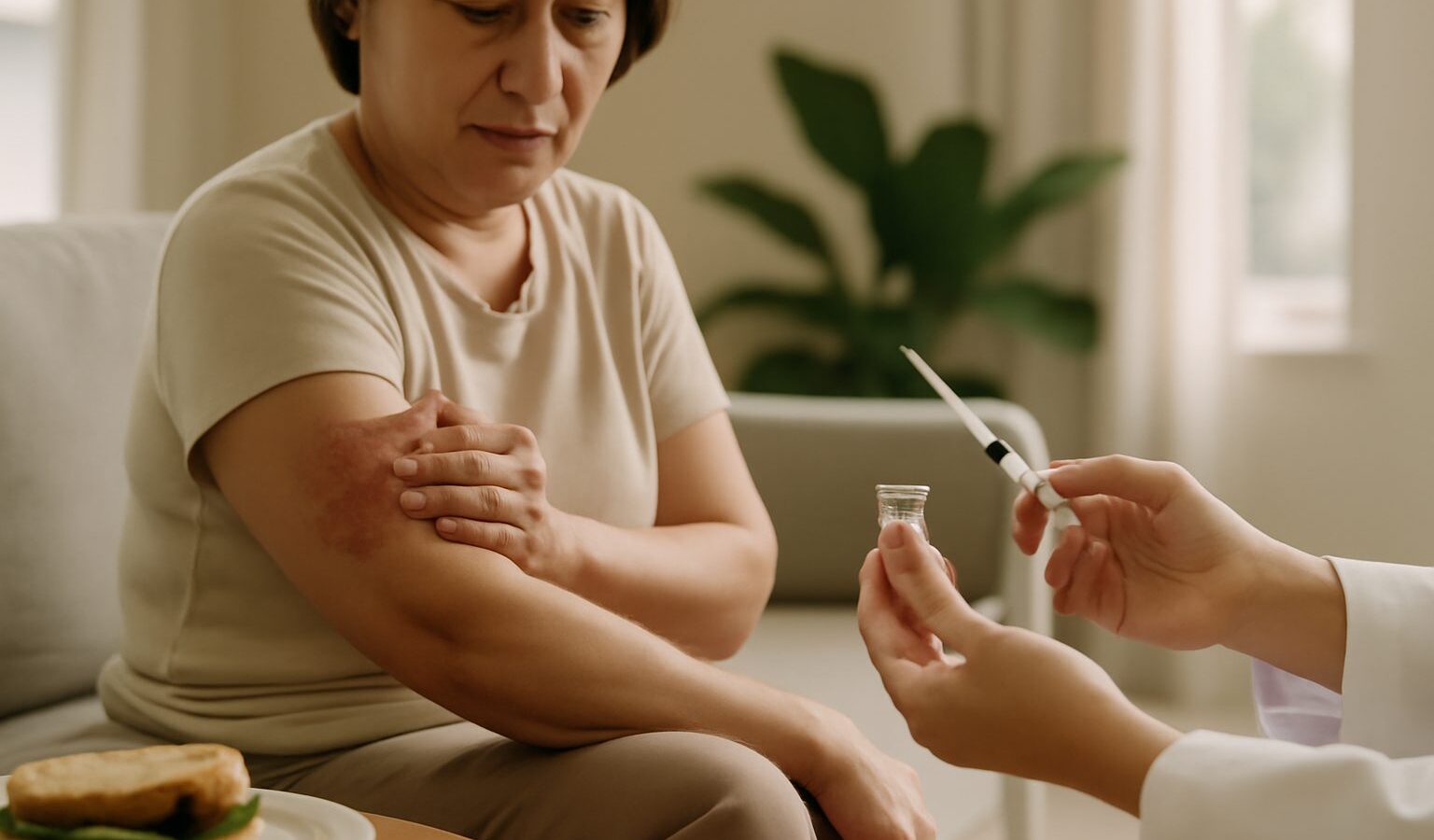
Many adults are surprised to learn that the chickenpox they had as a child can come back to haunt them decades later. That return visit is shingles, a painful rash caused by the same virus reawakening. If you are reading about shingles in Singapore because you or a family member has a burning, blistering patch of skin, the most useful thing to know upfront is that shingles needs prompt medical care, and starting treatment early can make a real difference. This article offers general information to help you understand the condition. It is not medical advice, and it cannot replace seeing a doctor for diagnosis and treatment.
What Shingles Is and Why It Happens
Shingles is caused by the varicella zoster virus, the same one behind chickenpox. After you recover from chickenpox, the virus does not leave your body. It stays dormant in your nerves, quietly doing nothing for years. Later in life it can reactivate, travelling along a nerve to the skin and producing the rash we call shingles. Nobody can predict exactly when this will happen, but it becomes more common as we get older, and it is more likely when the immune system is run down by illness, stress, or certain medical conditions.
The rash has a distinctive habit of appearing on one side of the body, often as a band or strip across the torso, though it can turn up on the face or elsewhere. Many people feel something before they see anything: tingling, itching, burning, or a stabbing pain in the area a few days before the rash arrives. Then a red rash develops and forms small fluid-filled blisters, which crust over in time. The pain can be surprisingly intense, and in some people it lingers long after the rash has healed, a complication known as post-herpetic neuralgia.
Shingles on or near the eye, or on the face, deserves particular caution because it can affect vision and other structures. This is one of several reasons not to wait and see. If you think you have shingles, a doctor can confirm it and discuss treatment. Early medical care tends to work best, so timing matters.
Recognising Symptoms and Getting Care Early
Common features to be aware of include a painful, one-sided rash, blisters that appear in a band or cluster, and an area of skin that feels sensitive, burning, or tingly before anything is visible. Some people also feel generally unwell, with a headache or a mild fever. Because the early pain can arrive before the rash, shingles is sometimes mistaken for other problems at first.
See a doctor promptly if you suspect shingles, and do not try to diagnose or manage it yourself. Get medical care urgently if the rash is on your face or near an eye, if you have a weakened immune system, if the pain is severe, or if you feel very unwell. In a genuine emergency, go to A&E or call 995. A doctor is the right person to assess the rash, confirm what it is, and advise on treatment and pain relief. We are deliberately not naming medicines or doses here, because the right choice depends on your situation and is a decision for your doctor.
While the blisters are present, the virus can spread to people who have never had chickenpox or the chickenpox vaccine, in whom it would cause chickenpox rather than shingles. Sensible steps include keeping the rash covered, washing your hands, and avoiding close contact with newborns, pregnant women who are not immune, and anyone with a weakened immune system until the rash has crusted over. Your doctor can give guidance specific to your circumstances.
Where Vaccination Fits In
A vaccine against shingles exists, and for some adults it can reduce the chance of getting shingles or lessen its severity. That is genuinely encouraging news. What this article will not do is invent an eligibility list, an age cut-off, or a schedule, because those details are set by your doctor and by current official guidance, and they can change. Whether a shingles vaccine is suitable for you, when it might be given, and how it fits with your other vaccinations are all questions for a doctor who knows your medical history.
If you want to think about vaccination as part of your wider health, our overview of adult vaccinations in Singapore sets the general scene, and it is worth raising the topic at a routine visit or when you are getting a health screening in Singapore. Because shingles risk rises with age, it also connects naturally to broader habits covered in healthy ageing in Singapore, from staying active to managing stress and long-term conditions.
For any Singapore vaccination programmes, subsidies, or eligibility, check the current official information and ask your doctor rather than relying on figures you have read second-hand. Details are updated from time to time, and your doctor can tell you what applies to you now.
A Practical Wrap-Up
Shingles is common, painful, and best dealt with quickly. If you notice a one-sided burning rash with blisters, treat it as a reason to see a doctor soon rather than something to ride out. Keep the area covered, protect vulnerable people around you, and let a doctor guide treatment. On the prevention side, a vaccine exists and may help some adults, so bring it up with your doctor, who can tell you whether and when it is right for you.