
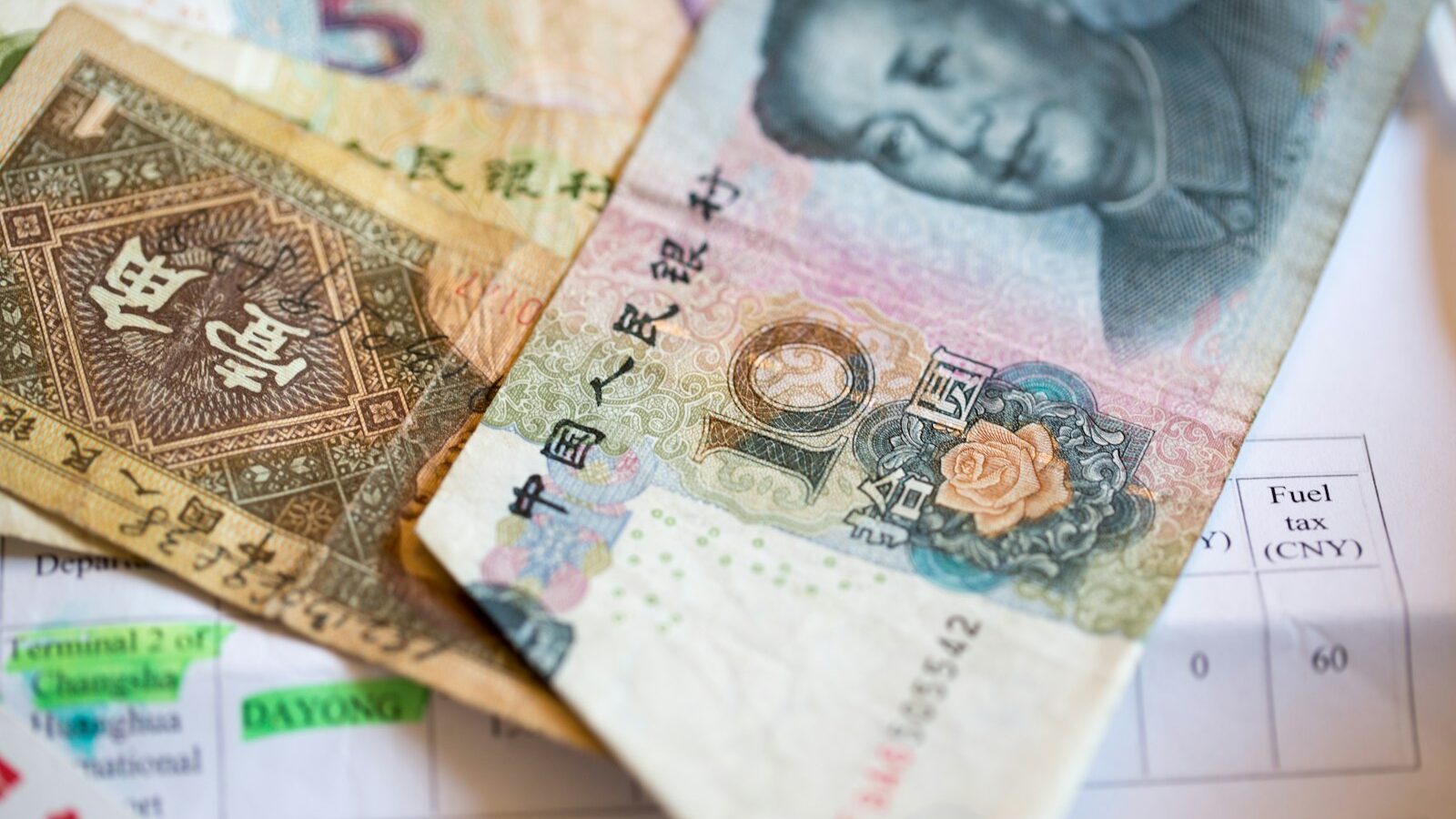
When it comes to China remittance from Singapore, the real question is not whether you can move money, but which of the three main channels fits your situation: a bank telegraphic transfer, a licensed money-transfer app, or a traditional remittance shop. Each wins on different measures, and the cheapest headline is rarely the whole story. This piece weighs all three on cost, speed, limits and ease so you can match the method to the transfer.
This is a general overview, not financial advice. Fees, rates, limits and processing times change, and China’s foreign-exchange rules vary by bank and over time. Confirm the current picture with your provider and, in Singapore, with the Monetary Authority of Singapore (MAS), which licenses banks and remittance businesses here.
How the three channels actually work
Banks (telegraphic transfer). Every major Singapore bank offers an outward TT to a beneficiary account at a Chinese bank. You provide the recipient’s account, bank and SWIFT/BIC details, the money is converted to RMB, and it travels through the correspondent-banking network. This is the traditional, heavily documented route.
Money-transfer apps and fintech. MAS-licensed digital providers let you fund a transfer by PayNow, bank transfer or card and deliver RMB to a mainland account, often within a day. Pricing is shown upfront, and the exchange rate is usually tighter than a bank’s.
Remittance shops. The licensed remittance counters around People’s Park Complex, Chinatown and the heartlands take cash or a bank payment and remit to China, frequently with same-day delivery and face-to-face service in Mandarin.
Cost: look past the headline fee
Two costs decide what your recipient receives: the upfront fee and the exchange-rate margin (the gap between the mid-market SGD to RMB rate and the rate you are given). Banks tend to charge a higher fixed fee, and a TT can also lose a slice to intermediary or receiving-bank charges in China, so the amount arriving may be less than sent. Apps often reduce or waive the fee and keep a narrower margin, which usually makes them cheaper for small and mid-size transfers. Remittance shops vary widely; rates can be very competitive, especially on larger sums, but you must compare counters rather than assume.
The only fair comparison is the final RMB figure received for your exact amount. Always ask for the live quote, including all charges, before you commit.
Speed: when the money needs to land
Apps and wallet-linked services can deliver in minutes to a day. Remittance shops are often same-day or next-day. A bank TT typically takes one to five working days, sometimes longer, because it hops through correspondent banks. Everything slows around major Chinese holidays, above all Spring Festival, so build in extra days if the timing is tight.
Limits: how much you can move
Banks generally handle the largest single transfers and suit big, one-off sums with a clear paper trail. Apps impose per-transfer, daily and monthly caps that reset over time, which is fine for regular support but can frustrate a large lump sum. Remittance shops handle a wide range and can often accommodate larger amounts, subject to their own checks and Singapore’s anti-money-laundering rules. On the receiving side, remember that China applies an annual individual foreign-exchange quota under State Administration of Foreign Exchange (SAFE) rules, so frequent or large incoming transfers can prompt questions at the recipient’s bank regardless of which Singapore channel you use.
Ease and paper trail
Banks give you the strongest documentation, useful for property, tuition or anything needing formal proof, but setup can be fiddly and details must be exact. Apps are the smoothest for repeat transfers: verify once, save the recipient, then send in a few taps. Shops offer human help and are reassuring if you prefer cash and a printed receipt, though you travel there and queue.
Side-by-side comparison
| Factor | Bank (telegraphic transfer) | Transfer app / fintech | Remittance shop |
|---|---|---|---|
| Cost | Higher fixed fee plus rate margin, possible receiving charges | Low or no fee, tighter margin | Varies by shop, can be sharp on large sums |
| Speed | 1 to 5 working days | Minutes to 2 days | Same day to 2 days |
| Limits | Highest single amounts | Per-transfer and monthly caps | Wide range, own checks apply |
| Ease | Exact details needed, strong paper trail | Very easy once set up | In-person, cash friendly |
| Best for | Large, formal transfers | Regular and everyday amounts | Cash senders wanting service |
Treat the table as a guide, not a quote. Confirm the live numbers for your transfer before deciding.
When each option suits you
Choose a bank TT when the sum is large, the purpose is formal (a home purchase, tuition, a business payment), and you want documentation that clearly shows the money’s path. The higher cost buys a stronger paper trail.
Choose a transfer app for routine support to family, monthly living costs, or any small to mid-size amount where price and speed matter and you will send again. The convenience of saved recipients and upfront pricing is hard to beat for regular use.
Choose a remittance shop if you deal in cash, want to discuss the transfer in person, or find a counter whose rate genuinely beats the alternatives on the day. Get a receipt and keep it.
Many newcomers end up using more than one: an app for the monthly transfer home, a bank for the occasional big payment. There is no single best channel, only the best fit for a given transfer.
Before you send, whichever you pick
- Check the licence. Use only MAS-licensed providers. You can verify a provider on the MAS Financial Institutions Directory, and this applies to shops as much as apps.
- Compare the received amount. Fee plus margin together, not the fee alone.
- Get the recipient details exactly right. Name matching Chinese ID, correct account and bank, plus ID number and mobile where asked. Mismatches are the top cause of held funds.
- Ask the receiving bank first for large sums. Have your recipient confirm what an incoming Singapore transfer needs, given China’s quota and purpose rules.
- Send a test transfer to a new recipient before moving a large amount.
- Mind tax. If a transfer relates to income or a business, check your obligations with the Inland Revenue Authority of Singapore (IRAS).
Weigh cost, speed, limits and ease against what this particular transfer needs, verify the live quote, and you will pick the right channel more often than not.
Explore more: Sending money home from Singapore · Cross-border banking between China and Singapore · Moving to Singapore from China