
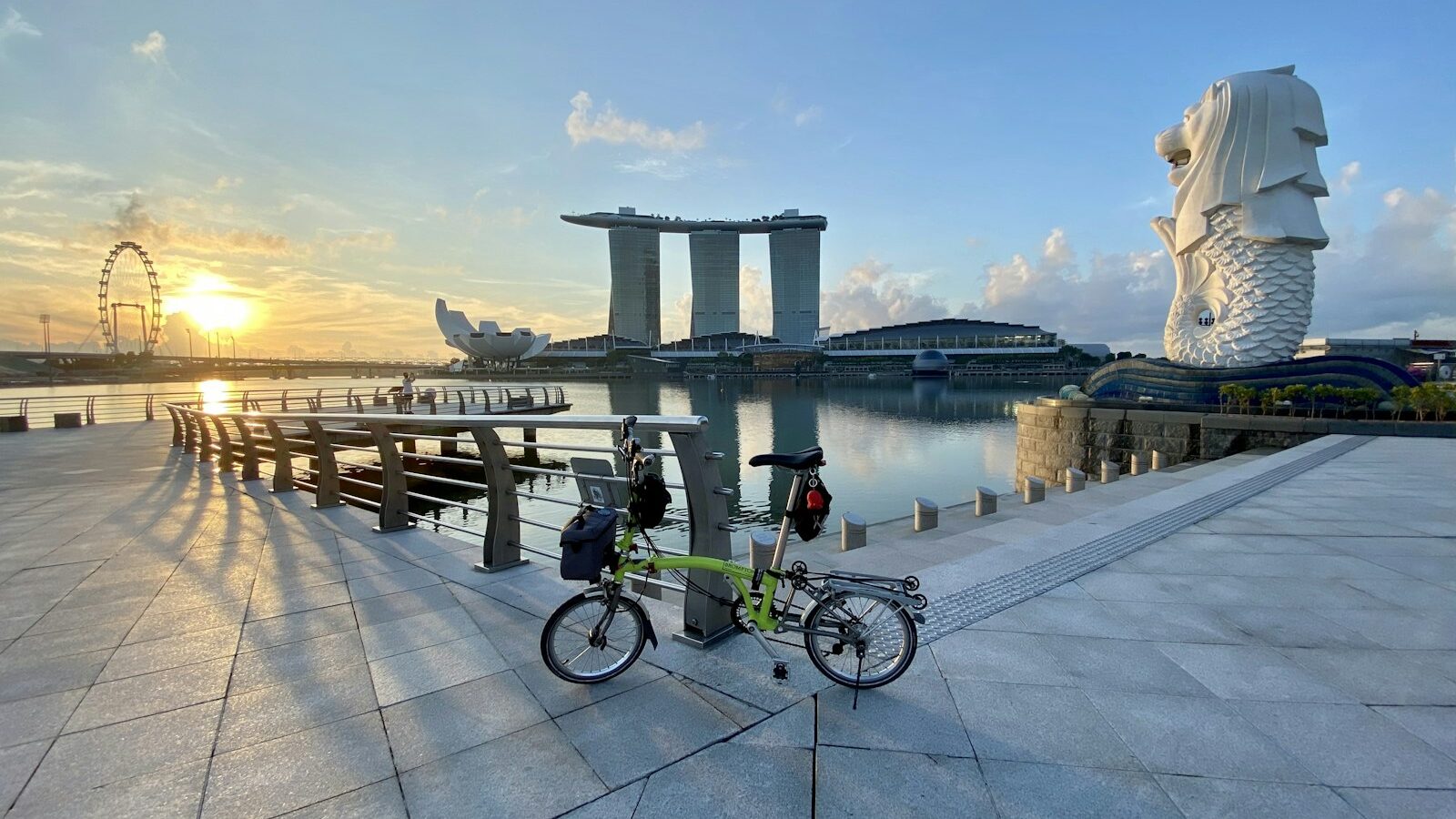
For a small, dense island, cycling Singapore is surprisingly rewarding. You can roll from a breezy coastline to a quiet reservoir, past HDB heartlands and pockets of rainforest, often without touching a busy road. Whether you are a local rediscovering your neighbourhood on two wheels or a newcomer looking for a weekend habit, the city has quietly built one of the most connected urban cycling networks in the region. This guide walks you through the routes worth knowing, where to find a bike, and how to ride safely in the heat.
Understanding Singapore’s cycling scene
The backbone of everyday riding here is the Park Connector Network, a growing web of paved paths that link parks, reservoirs, town centres, and the coast. These connectors let you string together long, mostly traffic-free rides through green corridors, and they are signposted, well lit in many stretches, and shared with joggers and families. For casual riders, the park connector network is the reason you can cover real distance without ever feeling like you are fighting traffic.
The ambitious sibling to all this is the Round Island Route, a long-term project to encircle Singapore with a continuous cycling and walking path. When complete it will stretch for well over 100 kilometres, stitching together existing connectors, coastal paths, and new bridges into one loop around the island. Sections are already open and ridable today, and even the finished portions give you a taste of what a full circumnavigation will feel like: mangroves, reservoirs, old railway corridors, and sea views in a single outing.
You do not need to tackle the whole thing. Most people mix and match a handful of favourite segments depending on their mood, fitness, and how much time they have.
Best routes for every level
Here is a quick overview before we go deeper:
- Beginner and family: East Coast Park, reservoir loops
- Intermediate distance: Eastern Coastal Loop, Coast-to-Coast Trail
- Hills and views: Southern Ridges
- Off-road and adventure: Pulau Ubin
East Coast Park: the classic coastal ride
If you do only one ride, make it this one. East coast cycling is the gentle, salt-air introduction that hooks most people. The path hugs the sea for several kilometres, staying flat the whole way, with plenty of spots to stop for a drink, a rest, or a plate of something at the food centres along the route. It is wide, well maintained, and busy in a friendly way, which makes it ideal for beginners, kids, and anyone easing back into riding. Go early on a weekend and you will share the sunrise with joggers and other cyclists; go on a weekday evening and you will catch the breeze coming off the water.
The Eastern Coastal Loop
Ready for a little more? The Eastern Coastal Loop extends the East Coast experience into a longer circuit that connects the coast up through the eastern part of the island and back. It links East Coast Park with connectors running past Changi and Pasir Ris, giving you a mix of seafront, park, and quieter suburban greenery. Expect a half-day outing at a relaxed pace. There are enough rest points and shaded stretches to make it comfortable, and the changing scenery keeps it interesting far more than an out-and-back ride.
The Coast-to-Coast Trail
The Coast-to-Coast Trail is one of the most satisfying ways to see how varied the island is. It runs across Singapore, linking the northern coast to the southern coast, and threads through parks, town centres, and nature areas along the way. Because it crosses so many different neighbourhoods, it feels less like a single park path and more like a proper journey. It is well signposted, and you can break it into sections if the full crossing feels ambitious. This is a wonderful route for a rider who wants to understand the shape of the island rather than just clock kilometres.
Southern Ridges: for a bit of hill
Most of Singapore is flat, so if your legs want a challenge, head to the Southern Ridges. This stretch links a series of parks and hilltops in the south with a famous set of elevated walkways and bridges. Some sections are better walked than ridden because of steps and narrow boardwalks, so check where cycling is allowed and be ready to dismount. Even so, the surrounding connectors and park roads give you the closest thing to a climb you will find on the main island, plus canopy-level views that flat coastal rides simply cannot match.
Pulau Ubin: off-road escape
For something completely different, take a short bumboat from Changi to Pulau Ubin. This is old Singapore, a rustic island of dirt tracks, kampong houses, and thick greenery where you can rent a simple mountain bike near the jetty and spend the day exploring. The trails range from easy gravel paths to genuinely rough terrain, so there is something for cautious riders and adrenaline seekers alike. It is dusty, sweaty, and utterly worth it, a reminder of what the region looked like before the skyline arrived.
Leisurely reservoir loops
When you want calm over distance, the reservoir loops deliver. Paths around the larger reservoirs offer smooth, shaded, mostly flat riding beside the water, popular with families and anyone after a peaceful spin. They connect neatly into the park connector network, so you can start with a quiet loop and extend into a longer ride if the mood takes you. These are also lovely early-morning routes, when the water is still and the crowds have not yet arrived.
Where to rent a bike or use bike-sharing
You do not need to own a bicycle to enjoy any of this. For bike rental, the most reliable option is a shop near a popular riding area such as East Coast Park or the Pulau Ubin jetty, where you can hire everything from a basic city bike to a tandem or a child’s bike by the hour. As a rough guide, hourly rates are modest, though prices rise on weekends and for better bikes, so treat any figure you see as a starting point rather than a fixed rate.
For shorter, spontaneous trips, dockless bike-sharing apps let you unlock a bicycle with your phone and leave it at a designated parking spot when you are done. Coverage is strongest in town and near MRT stations, and you pay per ride or via a pass. It is ideal for a quick errand or a one-way segment rather than a long expedition.
A quick tip: whichever option you choose, check the brakes, tyres, and seat height before you set off. A two-minute check saves a miserable ride.
Safety, heat, and the rules
Singapore’s tropical climate is the single biggest thing newcomers underestimate. The heat and humidity are real, so plan around them.
Quick tips for riding in the tropics:
- Ride early morning or late afternoon to avoid the midday sun.
- Carry more water than you think you need and drink before you feel thirsty.
- Wear sunscreen, light breathable clothing, and a helmet.
- Watch the sky. Sudden thunderstorms are common, and lightning risk means you should get off exposed paths quickly.
- Slow down on shared paths and give way to pedestrians, joggers, and families.
The rules matter too. You are generally allowed to cycle on park connectors, cycling paths, and shared paths, but there are footpaths and pavements where cycling is restricted or requires you to slow right down and give way. Rules differ for regular bicycles versus power-assisted devices, and enforcement is genuine, so when in doubt, dismount and push. Always ring your bell or call out when overtaking, use lights at night, and keep to the left. Confirm current path rules and any device regulations with the Land Transport Authority (LTA), as these are updated from time to time.
Above all, ride at a pace that lets you stop for the person who steps out in front of you. The shared-path culture here works because riders look out for everyone else on the path.
Making it a habit
The best thing about cycling here is how easy it is to start small and build up. Begin with a flat coastal cruise, graduate to a loop, then a crossing, and before long you will be planning a Round Island attempt. Keep a bottle, a bell, and a sense of curiosity on the handlebars, and the island opens up in a way no MRT map can show you.
Explore more: The best parks in Singapore · East Coast Park guide · Pulau Ubin guide