
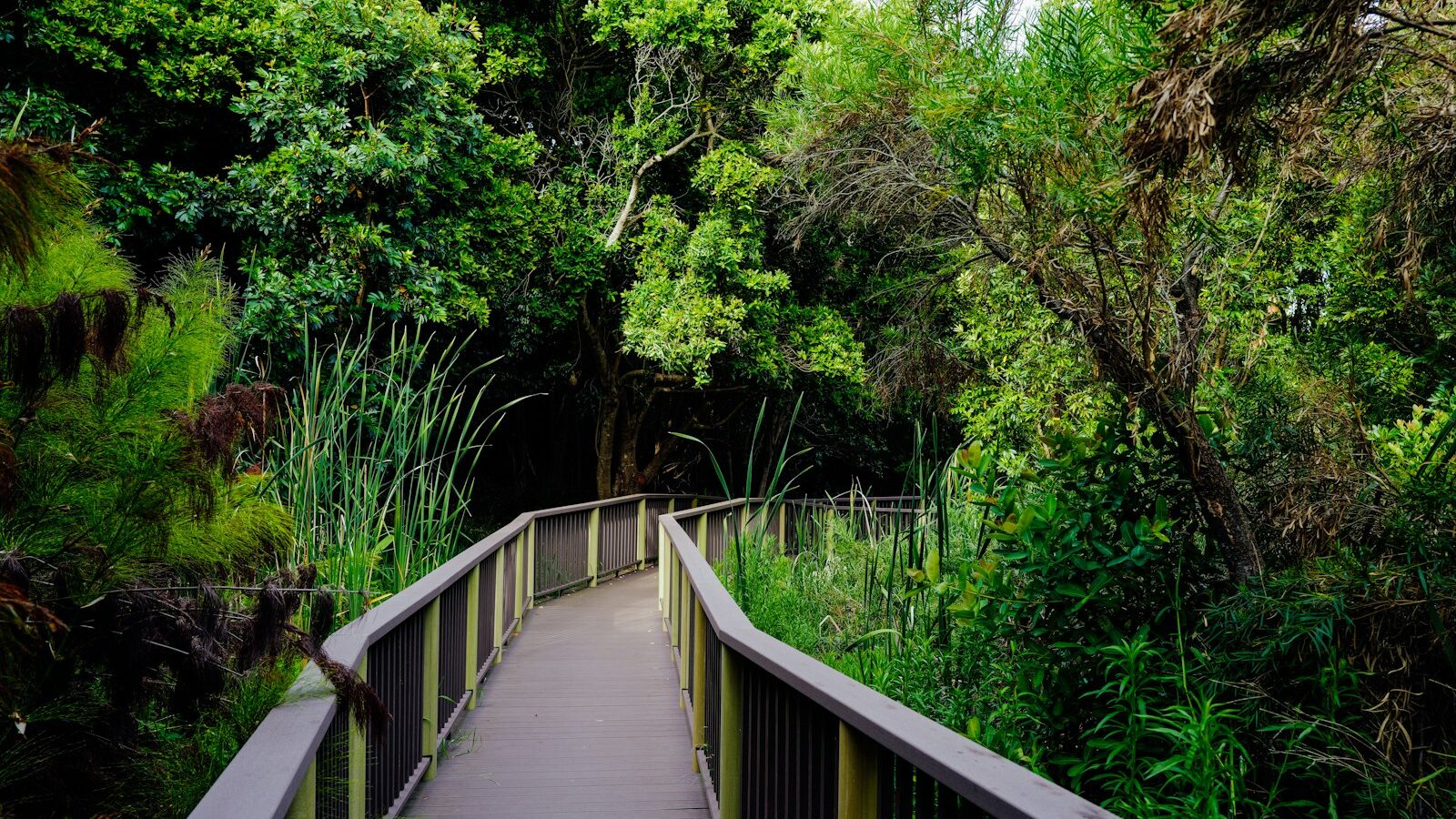
For a dense island city, Singapore keeps a remarkable amount of green space within easy reach. You are rarely far from a park, a garden or a patch of forest, and the network of trails means you can walk, cycle or jog across much of the island without spending long on a pavement. This guide to Singapore parks nature reserves explains how the system is organised, who looks after it, and how the different green spaces differ, from strictly protected reserves to the neighbourhood parks that most residents use every week. The aim is to help you understand what you are visiting and how to enjoy it without harming it.
City in Nature, Not Just a Garden City
Singapore’s green identity has evolved over decades. The early “Garden City” idea focused on lining roads with trees and greening the built environment. The current vision, led by the National Parks Board (NParks), is broader and is often called “City in Nature.” The goal is to weave nature back through the whole island, restoring habitats, connecting green spaces so wildlife can move between them, and bringing parks closer to where people live and work.
That shift matters because it changes how spaces are managed. Instead of neat lawns alone, you will find rewilded pockets, naturalised waterways and forest being allowed to regenerate. NParks manages the parks, gardens, nature reserves, streetscape greenery and the wider tree population, and also handles animal and wildlife matters. Understanding this vision helps explain why some areas are carefully manicured while others are deliberately left wild.
The Nature Reserves: Protected and Special
At the top of the protection ladder sit the nature reserves. These are legally protected areas set aside for conservation and native biodiversity, not for recreation first. Singapore has four gazetted nature reserves, each with a distinct character.
- Bukit Timah Nature Reserve. Home to one of the island’s highest points and a patch of primary rainforest, this reserve packs a surprising density of plant and animal species into a small area. Trails can be steep and are popular, so early visits are calmer.
- Central Catchment Nature Reserve. The largest reserve, wrapped around the reservoirs at the heart of the island. The well known TreeTop Walk and the boardwalks here let you experience mature forest while protecting the ground beneath.
- Sungei Buloh Wetland Reserve. A coastal wetland in the northwest, important for migratory shorebirds and home to mudflats, mangroves and the occasional estuarine crocodile. It is a birdwatching favourite.
- Labrador Nature Reserve. A smaller coastal reserve in the south with rocky shore habitats, secondary forest and historical wartime relics along the sea.
Because reserves protect fragile habitats, the rules are stricter than in ordinary parks. Stay on marked trails, keep noise down, and never remove plants, animals or even fallen material. These are living systems, and small disturbances add up quickly.
Parks and Gardens: Where Daily Life Happens
Most people’s everyday green time is spent not in reserves but in parks and gardens. These are designed for recreation and are far more relaxed in tone. It helps to think of them in a few groups. Regional and destination parks are large, well known draws. Community and neighbourhood parks serve the housing estates. Gardens are more curated, showcasing plant collections and horticulture.
The Singapore Botanic Gardens is the standout. It is the country’s only UNESCO World Heritage Site, with more than a century and a half of history, a famous orchid collection and stretches of preserved rainforest in the middle of the city. Gardens by the Bay, near Marina Bay, is the modern showpiece, known for its towering Supertrees and climate controlled conservatories. East Coast Park is the long, breezy coastal strip where residents cycle, picnic, barbecue and eat by the sea. Each of these offers a very different experience from a quiet reserve, and each is built to handle large numbers of visitors.
Linking It All: Park Connectors and the Round Island Route
One of the cleverest parts of the system is how the green spaces are stitched together. The Park Connector Network is a series of green corridors, often following canals, old rail lines or road edges, that link parks to one another and to neighbourhoods. These connectors let people walk, jog and cycle between green spaces without competing with heavy traffic, and they double as movement corridors for wildlife.
The ambitious centrepiece is the Round Island Route, a continuous recreational loop being developed to encircle the whole island. When complete, it will let people travel a long green ring past coastlines, reservoirs, parks and heritage sites. Even today, long finished stretches make it possible to string together an impressive car free journey. If you enjoy cycling or long walks, the connectors turn Singapore’s scattered parks into a single explorable network.
Wildlife, Conservation and Sharing Space
More green space and rewilding mean more encounters with wildlife. Long tailed macaques, monitor lizards, wild boar, otters, hornbills and many bird and butterfly species live around the parks and reserves, and smooth coated otters in particular have become local celebrities. NParks leads conservation and also manages human and wildlife interactions.
The guiding principle is simple: observe, do not interfere. Do not feed wild animals, as it changes their behaviour, harms their health and can make them bold or aggressive. Keep your distance, secure your food and belongings around macaques, and never corner or chase an animal for a photo. Conservation here is a shared effort, and everyday visitors play a real part simply by giving wildlife room.
Knowing Which Space You Are In
The table below sums up the main types of green space and what to expect from each. Use it to set the right expectations before you go, since a strict reserve and a coastal park call for very different behaviour.
| Green space type | Example | What to expect |
|---|---|---|
| Nature reserve | Bukit Timah, Central Catchment, Sungei Buloh, Labrador | Protected habitat, stay on trails, quiet, conservation first |
| Heritage garden | Singapore Botanic Gardens | Curated collections, UNESCO site, rainforest pockets, relaxed |
| Destination garden | Gardens by the Bay | Iconic attractions, conservatories, large crowds, ticketed areas |
| Regional/coastal park | East Coast Park | Cycling, picnics, barbecues, seaside recreation |
| Neighbourhood park | Estate and town parks | Everyday exercise, playgrounds, close to homes |
| Green corridor | Park Connector Network, Round Island Route | Walking and cycling links between spaces |
Enjoying the Parks Responsibly
Whatever you visit, a little care keeps these spaces healthy for everyone. Keep to the marked trails and paths, especially in reserves, so you do not trample undergrowth or disturb nesting animals. Take your litter home, since bins are not everywhere and food waste draws animals. Do not pick plants or collect shells, seeds or wildlife. Cycle at safe speeds on shared paths and give way to those on foot. If you bring a dog, keep it leashed where required and clean up after it.
Singapore’s parks and nature reserves work because they are treated as a shared, living asset rather than a backdrop. Learn the difference between a protected reserve and a recreation park, follow the etiquette, and check NParks channels for any advisories or trail closures before heading out. Do that, and you get the best of a City in Nature that most dense cities can only dream of.
Explore More
The green network is closely tied to how Singapore manages its land and resources. See how sustainability goals shape the island in the Singapore Green Plan explained, and learn how the reservoirs at the heart of the reserves fit into the national supply in the Singapore water story.