
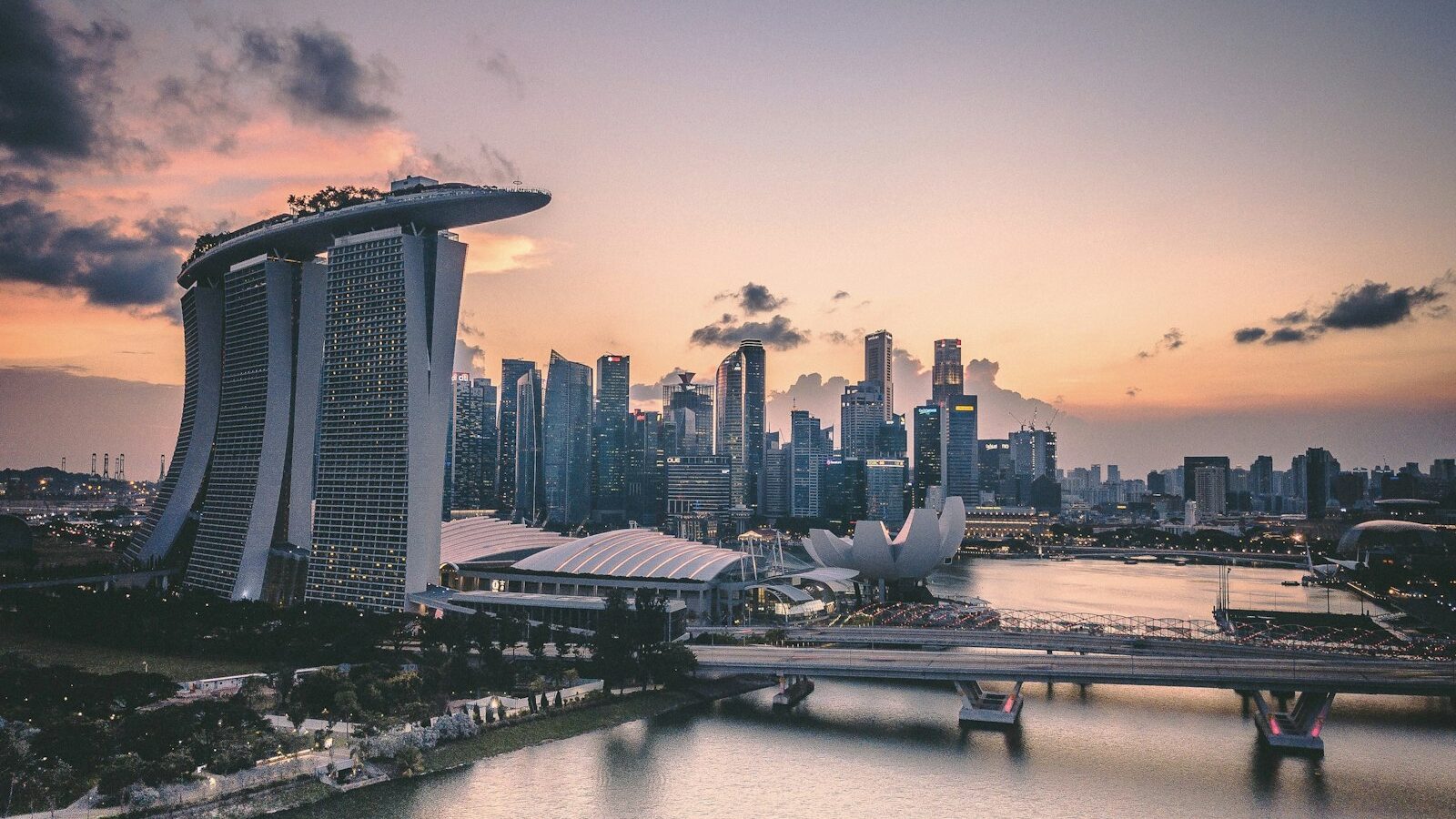
Singapore and Tokyo regularly come up together when professionals weigh a move to Asia. Both are safe, efficient, well connected and home to large regional offices. Yet daily life in each city feels very different. This comparison of Singapore vs Tokyo expats will face covers the things that most affect a relocation decision: costs, the language barrier, housing, schooling, work passes and lifestyle. Prices and rules change, so treat this as a framework and check current figures with official sources and recent quotes before you decide.

The Big Picture Differences
Singapore is a compact city-state where English is the main working language and the expat community is large and highly visible. Government services, signage, schools and business life all operate comfortably in English. Tokyo is a vast metropolis, one of the largest urban areas in the world, where Japanese dominates daily life and expats make up a much smaller share of residents.
In practice, Singapore is often the easier landing, while Tokyo offers more variety, more neighbourhoods to choose from, and four distinct seasons. Your choice often comes down to how much friction you are prepared to accept in exchange for the experience you want.
Cost of Living Compared
Cost comparisons swing with exchange rates, so focus on the structure of costs rather than any one number.
- Housing. Singapore rents for expat-style condos are among the highest in the region, and this is usually the single biggest cost. Tokyo has a much wider spread: central, international-style apartments can be expensive, but there is far more choice of smaller or older homes and of neighbourhoods further out on good train lines.
- Upfront moving-in costs. Tokyo rentals commonly involve several upfront payments beyond the first month’s rent, such as a deposit, a non-refundable key money payment in some cases, agency fees and guarantor company fees. Singapore leases typically ask for a security deposit and advance rent, with the agent fee depending on the arrangement. Ask your agent in either city for a full breakdown.
- Cars. Owning a car in Singapore is very expensive because of the Certificate of Entitlement (COE) system. In Tokyo, most people simply do not need a car, though parking certification and costs apply if you do.
- Food. Both cities offer cheap, excellent everyday food. Singapore has hawker centres; Tokyo has chain restaurants, convenience stores and supermarkets with good ready meals. Imported Western groceries are pricey in both.
- Tax. Singapore’s personal income tax rates are relatively low and the system is simple. Japan’s income tax plus resident tax is generally higher for most earners, and long-term residents may become taxable on a wider base. Check IRAS for Singapore and the National Tax Agency of Japan, and get professional advice for your situation.
Our guide to managing money as an expat covers banking, remittances and budgeting in Singapore.
Side-by-Side Comparison
| Factor | Singapore | Tokyo |
|---|---|---|
| Working language | English, widely used everywhere | Japanese in most daily life and many workplaces |
| Housing | High rents, condo living common, smaller choice | Wide range of sizes and prices, smaller units, more neighbourhoods |
| Upfront rental costs | Deposit plus advance rent, agent fee varies | Often several extra fees such as key money and guarantor fees |
| Schooling for expat children | Many international schools, limited local school places for foreigners | Fewer international schools, concentrated in central wards |
| Transport | MRT, buses, Grab, cars very costly | Huge rail network, cars rarely needed |
| Climate | Hot and humid year round | Four seasons, humid summers, cold winters |
| Natural hazards | Low | Earthquakes and typhoons, preparedness expected |
The Language Barrier
This is the biggest practical difference. In Singapore you can open a bank account, rent a flat, see a doctor, deal with government agencies and socialise entirely in English. Mandarin, Malay and Tamil are also widely spoken.
In Tokyo, many expats manage at first with English in central areas, translation apps and help from their employer. But leases, ward office registration, utility contracts, school letters and medical visits often involve Japanese. Many expats find life becomes significantly easier once they reach basic conversational Japanese, and some workplaces expect it. If you or a trailing spouse plan to work locally, language ability matters even more.
Housing and Neighbourhoods
In Singapore, most expats rent condominium units with facilities like a pool and gym, or private apartments in areas such as River Valley, Tanglin, Holland Village and the East Coast. Our River Valley neighbourhood guide shows what expat-heavy areas look like. HDB flats are also an option for renting, often at lower cost.
Tokyo apartments are typically smaller and more compact, with fewer shared facilities. Expats with larger budgets cluster in central wards with international schools and embassies nearby; others choose quieter residential areas along train lines. Some landlords are hesitant about foreign tenants, so agencies that specialise in foreign residents can save a lot of time.
Schooling for Expat Children
Singapore has a broad selection of international schools offering curricula such as the International Baccalaureate, British, American, Australian and others. Waiting lists and fees for popular schools are a real consideration, so start early. Places in government schools for foreign children are limited and allocated through the Ministry of Education’s processes; check MOE’s website for current admission routes.
Tokyo also has well-regarded international schools, but fewer of them, and many are concentrated in particular central areas, which shapes where families choose to live. Japanese public schools accept foreign children, and some families choose them for full immersion, but children need support to learn Japanese. Whichever city you choose, contact schools directly for current fees, admissions and waiting lists.
Work Passes and Settling In
In Singapore, most professionals come on an Employment Pass, with eligibility managed by the Ministry of Manpower (MOM). Dependants may qualify for passes depending on the main pass holder’s situation. In Japan, work visas are tied to activity categories and administered by the Immigration Services Agency of Japan, with residence cards issued on arrival and registration at the local ward office required. Requirements in both countries change, so confirm with MOM, ICA and the Japanese immigration authorities or your employer’s mobility team.
Health insurance also works differently. Japan enrols residents in a public health insurance scheme, while expats in Singapore usually rely on employer-provided or private cover. See our guide to health insurance in Singapore for the local picture.
Lifestyle: Which City Suits You
Singapore tends to suit people who want a smooth transition, English everywhere, easy regional travel from Changi, a tropical outdoor lifestyle and a large, sociable expat community. It is compact enough that commutes are usually short.
Tokyo tends to suit people who want depth and variety: endless neighbourhoods, seasonal food and festivals, mountains and hot springs within reach, and an immersive cultural experience. Expect a steeper learning curve and more paperwork in Japanese, especially in your first year.
If you are still deciding, compare Singapore with other regional hubs such as Hong Kong, and if you settle here but crave Japan, our Tokyo from Singapore city guide makes it an easy holiday destination instead.
Further reading: Singapore vs Taipei for Expats and Families · Singapore vs Kuala Lumpur for Expats: Costs, Lifestyle and Careers · Singapore vs Bangkok for Expats: Which City Suits You