
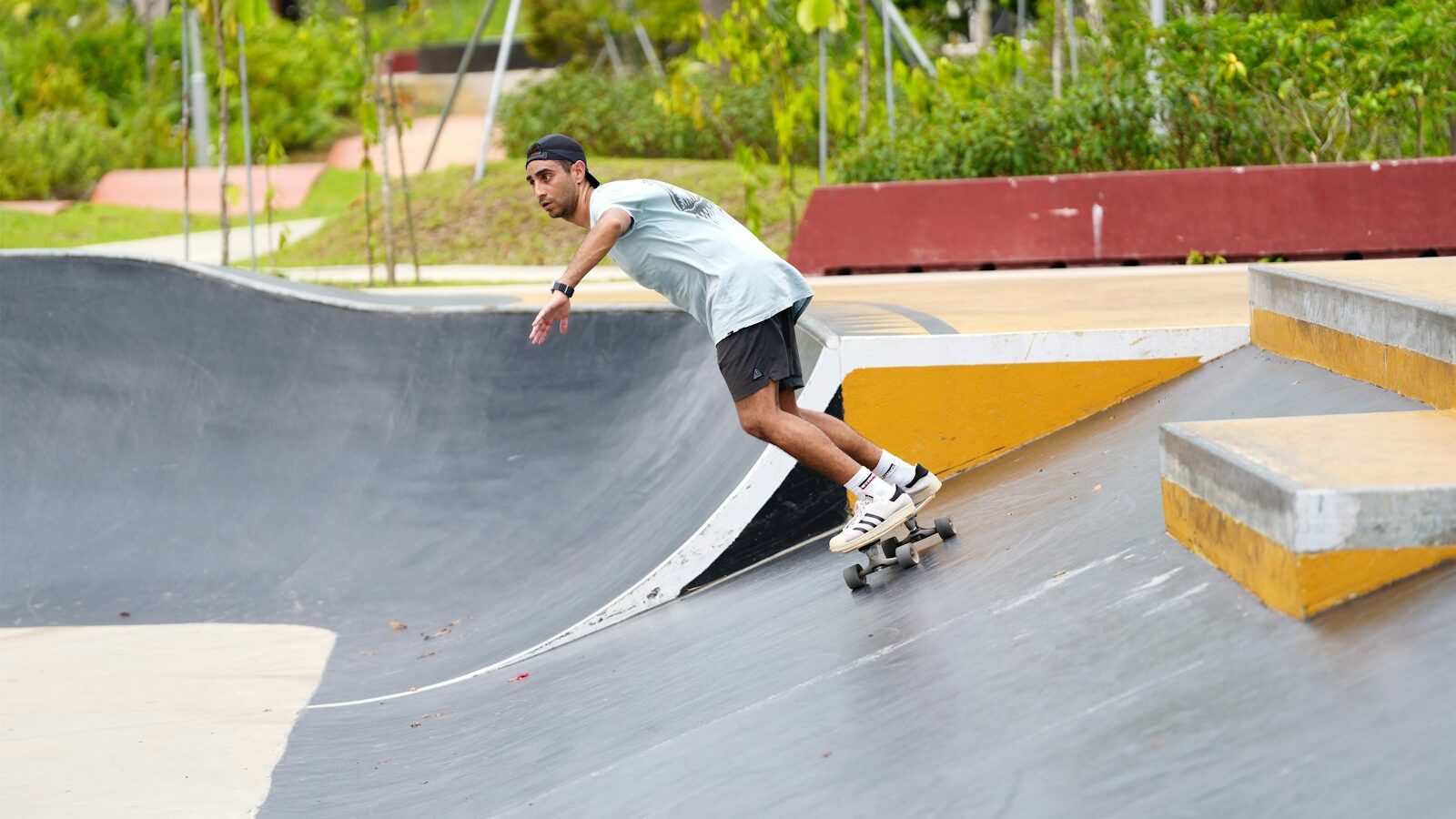
Skateboarding in Singapore has grown from a niche pastime into a genuine fitness and social activity, and inline skating sits right alongside it as a fun way to stay active on wheels. Both sports build balance, leg strength and coordination while getting you outdoors, and both are surprisingly welcoming to newcomers of all ages. This guide walks you through the gear you need, the safety habits that matter most, where to roll, and how to progress from wobbly first steps to smooth, confident movement.
Before we begin, a quick reminder. This is general fitness and safety information, not professional coaching or medical advice. Skateboarding and inline skating carry a real risk of falls, so wear proper protective gear, learn the basics from a qualified coach or an experienced skater, and start slowly. If you have a health condition, are pregnant or are returning from an injury, see a doctor before you take up a new sport.
Why These Sports Are Worth Trying
Rolling sports give you a full body workout that rarely feels like exercise. Balancing on a board or a pair of skates engages your core, glutes and calves continuously, while pushing and turning strengthens your legs. Because the movement is low impact when done smoothly, many people find it gentler on the knees than running, though falls are always a possibility.
Beyond fitness, there is a strong social side. Skate parks and park connectors attract a friendly mix of beginners and veterans, and it is common for more experienced skaters to share tips with newcomers. The learning curve rewards patience, and every small win, from your first clean push to your first controlled stop, feels genuinely satisfying.
Singapore’s climate does shape how you skate. The heat and sudden downpours mean early mornings and evenings are often the most comfortable times, and wet surfaces should always be avoided because they make wheels slip without warning.
Getting the Right Gear
Good equipment makes learning safer and more enjoyable. For skateboarding singapore beginners, a complete skateboard sized for general cruising is usually easier to learn on than a narrow trick board, because a slightly wider deck feels more stable underfoot. For inline skating, well fitted boots with a supportive cuff give you far more control than loose, worn out skates.
Protective gear is not optional. The single most important item is a properly fitted helmet, worn every time you skate. Wrist guards protect against the most common skating injury, because people instinctively put their hands out when they fall. Knee and elbow pads round out the set and let you practise more confidently.
Here is a simple starter checklist to help you gear up before your first session:
| Item | Why it matters | Beginner tip |
|---|---|---|
| Helmet | Protects your head in any fall | Should sit level and not rock |
| Wrist guards | Guard against the most common injury | Wear on both hands |
| Knee and elbow pads | Cushion the joints you land on | Fit snugly without cutting circulation |
| Board or skates | Your main equipment | Choose stable over flashy at first |
| Closed shoes | Grip and protection for the feet | Flat soles work best for boards |
Before every session, give your equipment a quick check. Make sure wheels spin freely, bolts are tight, and helmet straps and pad fastenings are secure. A loose wheel or a cracked helmet is a hazard, so replace worn parts promptly.
Learning the Basics Safely
Start on a flat, smooth and quiet surface, well away from traffic, slopes and crowds. An empty stretch of a park connector early in the morning, or a quiet corner of a skate park, gives you space to find your balance without pressure.
The first skill to master is not moving, but falling and stopping. Learning to fall onto your pads rather than your hands, and to roll with a fall rather than stiffen against it, dramatically reduces the risk of injury. Practise a controlled stop until it feels natural, whether that is the heel brake on inline skates or dragging your back foot on a board. Feeling confident about stopping makes everything else easier to learn.
From there, practise pushing gently and gliding, keeping your knees soft and your weight low and centred. Bending your knees lowers your centre of gravity and makes you far more stable. Look ahead rather than down at your feet, and let your arms move naturally for balance. Progress in small steps, and only try gentle slopes or turns once flat ground feels comfortable.
Taking a few lessons from a qualified coach, or joining a beginner friendly community session, is one of the best investments you can make. An experienced eye can correct your stance early and help you avoid habits that are hard to unlearn.
Where to Skate in Singapore
Singapore has a growing number of dedicated skate parks with ramps, rails and open flat areas suited to different skill levels. These are the safest places to practise tricks, because they are designed for skating and other users expect wheels. Always read and respect the posted rules at each park, follow the flow of traffic, and wait your turn on ramps.
Park connectors and dedicated cycling and skating paths are excellent for cruising and building fitness on inline skates. Keep to the correct side, give way to pedestrians, slow down near junctions and blind corners, and use a bell or your voice to signal when passing. Skating is generally not appropriate on crowded footpaths, roads or shopping areas, so save your practice for spaces meant for it.
Whichever spot you choose, go with a friend where you can, carry water, and check the weather. Skating in the cooler parts of the day helps you avoid both the harshest heat and the afternoon rain that leaves surfaces slick.
Building Skill and Staying Injury Free
Once the basics feel secure, progress comes from repetition and gradual challenge. Add gentle turns, longer glides and slightly steeper slopes one at a time, always within your comfort zone. Resist the urge to copy advanced tricks before your foundations are solid, because that is when serious falls tend to happen.
Warm up before you skate and stretch afterwards to keep your ankles, hips and calves mobile. If you pick up a knock, give it time to settle rather than pushing through pain. Persistent joint pain or a fall that leaves you unable to bear weight deserves a proper check, so see a doctor or a physiotherapist if something does not improve.
Above all, keep it fun. The skaters who stick with these sports are the ones who enjoy the process, celebrate small progress and stay patient with themselves. Wear your gear, respect the rules, and you will find that rolling on wheels is one of the most rewarding ways to stay active in Singapore.
Explore more
Bouldering and Climbing in Singapore
Using ActiveSG Facilities
Warming Up and Cooling Down Properly
Recovering From Sports Injuries