
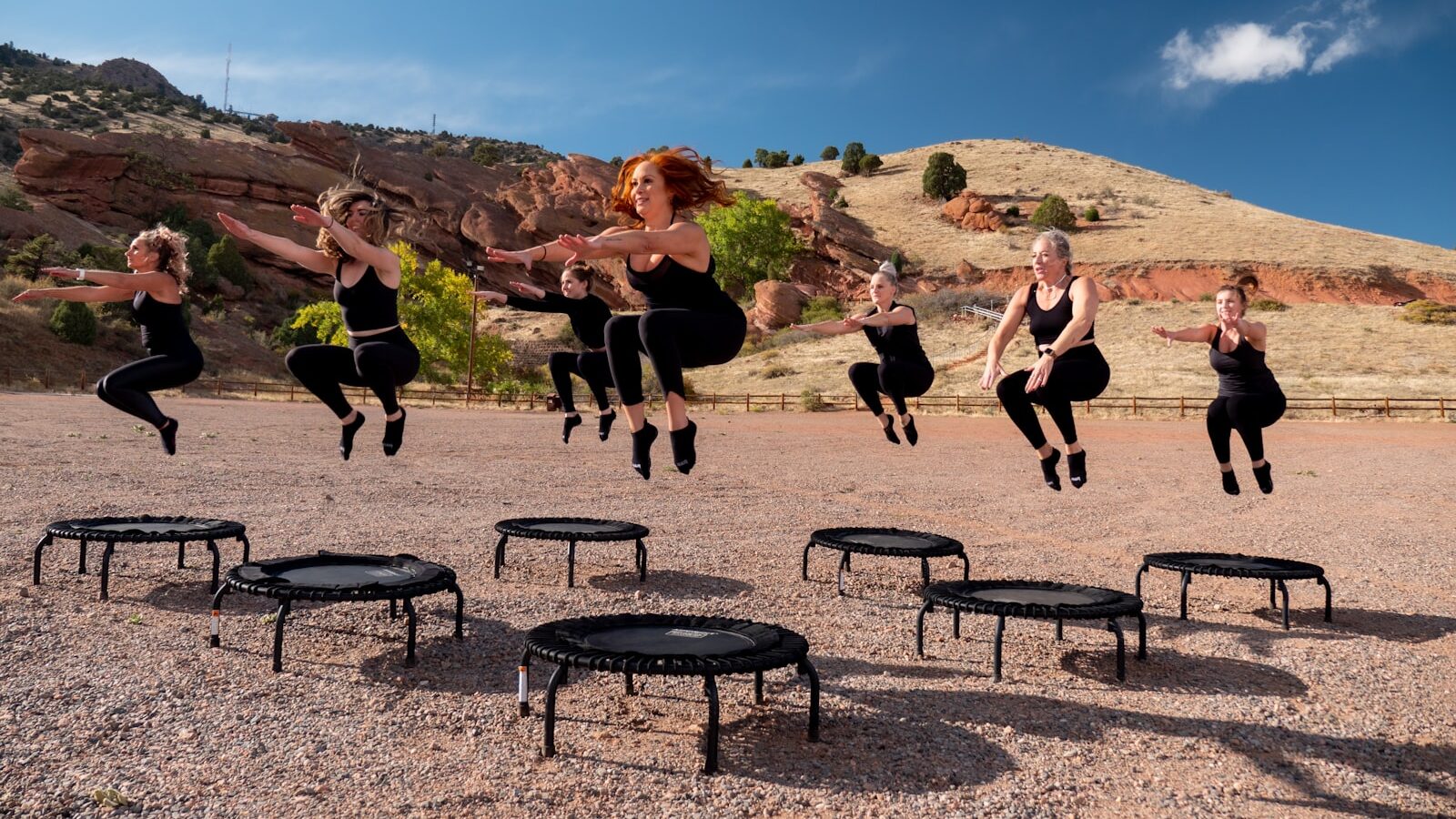
Bouncing is not just for children, and trampoline parks have become a popular way to combine play with a proper workout, so if you are curious about trampoline fitness singapore has indoor parks and classes to try. Jumping is a surprisingly effective form of exercise, but it carries real risks that are worth understanding before you leap in. This guide covers the fitness benefits, the safety rules and who should take extra care. It is general fitness information, not medical advice, so check with a doctor before starting if you have any health conditions.
How trampolining helps fitness
Bouncing on a trampoline is a form of low-impact cardiovascular exercise, sometimes called rebounding. The soft surface absorbs much of the shock that running on hard ground sends through your joints, while still giving your heart and lungs a solid workout. Many people find it a fun alternative that does not feel like traditional exercise.
The benefits go beyond cardio. Constantly adjusting to the bouncing surface challenges your balance and core stability, engaging muscles throughout your legs and torso. Over time this can improve coordination, agility and lower-body strength. Because it is genuinely enjoyable, trampolining can help people stay active who might otherwise find the gym a chore.
Indoor trampoline parks suit Singapore’s climate well, as they are air-conditioned or sheltered and open regardless of the weather. Some parks also run structured fitness classes that use the trampolines for guided workouts, blending music, intervals and instruction into a lively session.
Ways to bounce for fitness
There is more than one way to enjoy trampoline-based exercise, from free jumping to structured classes.
| Option | Best for | Intensity | Things to note |
|---|---|---|---|
| Free-jump session | Casual fun and light activity | You set the pace | Follow park rules; avoid risky stunts |
| Trampoline fitness class | A guided workout | Moderate to high | Led by an instructor; book ahead |
| Home mini-trampoline | Gentle rebounding at home | Low to moderate | Use a stable unit and clear space |
Whichever route you choose, start gently. Bouncing uses muscles and demands balance in ways many people are not used to, so a short first session lets your body adjust and reduces the risk of overdoing it.
Safety first at trampoline parks
Trampoline parks are great fun, but they carry a higher injury risk than many activities, especially from uncontrolled or ambitious jumps. Following the rules is not optional, it is what keeps you safe. Take the time to read and follow every posted guideline and any staff instructions.
A few principles matter most:
- Stick to one person per trampoline, as collisions and double bounces cause many injuries.
- Avoid attempting flips, somersaults and stunts unless you are trained and the park permits them, since awkward landings can cause serious harm.
- Land on both feet with soft, bent knees, and try to stay in control rather than bouncing as high as possible.
- Rest when you feel tired, as fatigue makes falls and awkward landings far more likely.
- Keep to areas suited to your ability and follow any age or zone restrictions.
Warm up before you start with some light movement and gentle bounces, and build up gradually. Cool down afterwards. Wearing the grip socks that parks usually require helps prevent slips on the surface.
Who should take extra care
Trampolining is not the right choice for everyone. Young children in particular are more prone to injury on trampolines, so many parks set age limits and dedicated zones, and children should always be closely supervised by an adult. Never let small children mix with older, heavier jumpers, as double bouncing can throw a lighter person off balance.
People with certain health conditions should be cautious too. If you have joint problems, back issues, heart conditions, balance disorders, or are pregnant, trampolining may not be suitable. It is sensible to see a doctor before starting if you have any such condition or are unsure whether bouncing is right for you.
Listen to your body during and after a session. Some muscle fatigue is normal, but sharp pain, dizziness or joint discomfort is a signal to stop. If you land awkwardly and feel a strain, rest it and let it settle rather than carrying on, and seek proper care if it does not improve or if you suspect anything more serious.
Staying comfortable and hydrated
Even in an air-conditioned park, energetic bouncing raises your heart rate and body temperature quickly, so you can work up a sweat fast. Keep well hydrated by drinking water before, during and after your session, and take breaks if you feel dizzy, overheated or unusually tired. Wear light, comfortable and breathable clothing that lets you move freely, and secure long hair and remove loose jewellery before you jump.
Empty your pockets of keys, phones and other hard objects, which can hurt you or others in a fall. Grip socks are usually mandatory, so bring or buy a pair. A small towel and a water bottle round out the simple kit you need.
Enjoying it safely for the long run
Trampolining can be a joyful, effective part of a balanced fitness routine when you respect the risks. Start gently, follow the rules every single time, and progress at a sensible pace rather than chasing the biggest bounce. Set small, realistic goals, such as steadier landings or a longer class, and mix trampolining with other activities for all-round fitness.
Above all, keep control and keep it fun. The parks and classes are there to be enjoyed, and a safety-first mindset means you can keep bouncing happily for years. When in doubt about your health or a particular move, pause, ask staff, or check with a doctor before you continue.
Explore more
Group Fitness Classes in Singapore
Warming Up and Cooling Down Properly
Recovering From Sports Injuries
Setting Realistic Fitness Goals