
Warm, golden and gently spiced, soto ayam is one of those bowls that locals reach for when they want comfort without heaviness. If you are exploring soto ayam in Singapore for the first time, think of it as a fragrant chicken soup that sits somewhere between a light broth and a full meal, dressed up with shredded chicken, rice cakes, a potato fritter and a squeeze of lime. It turns up in hawker centres, kopitiams and Malay and Indonesian food stalls across the island, and it is a firm favourite for breakfast, lunch or a light supper.
This guide walks you through what soto ayam actually is, how it is put together, the variations you will meet, and how to enjoy a bowl the way regulars do.
What Soto Ayam Actually Is
Soto is a broad family of Southeast Asian soups, and “ayam” simply means chicken. So soto ayam is the chicken version, built on a clear yet aromatic broth rather than a thick, creamy one. The colour usually leans golden thanks to turmeric, and the fragrance comes from a spice paste that can include shallots, garlic, ginger, galangal, lemongrass, candlenut and coriander seed, rounded off with aromatics like kaffir lime leaf.
What makes soto ayam feel so soothing is the balance. The broth is savoury and warming without being oily, the chicken is poached until tender then shredded, and the whole thing is brightened at the table with lime and a spoon of chilli. It is filling but rarely heavy, which is exactly why so many people order it in the morning or when they want something restorative.
You will find soto served in slightly different styles depending on whether the stall leans Malay or Indonesian, but the heart of the dish stays the same: a well spiced chicken broth poured over soft rice cakes and toppings.
The Building Blocks of a Good Bowl
Part of the fun of soto ayam is that a single bowl brings together several textures. Once you know the usual components, you can read any stall’s version at a glance.
- The broth. Clear, golden and aromatic, simmered with a spice paste and chicken. This is where a stall really shows its hand.
- Shredded chicken. Poached and torn into strands, sometimes lightly fried at the edges for extra savour.
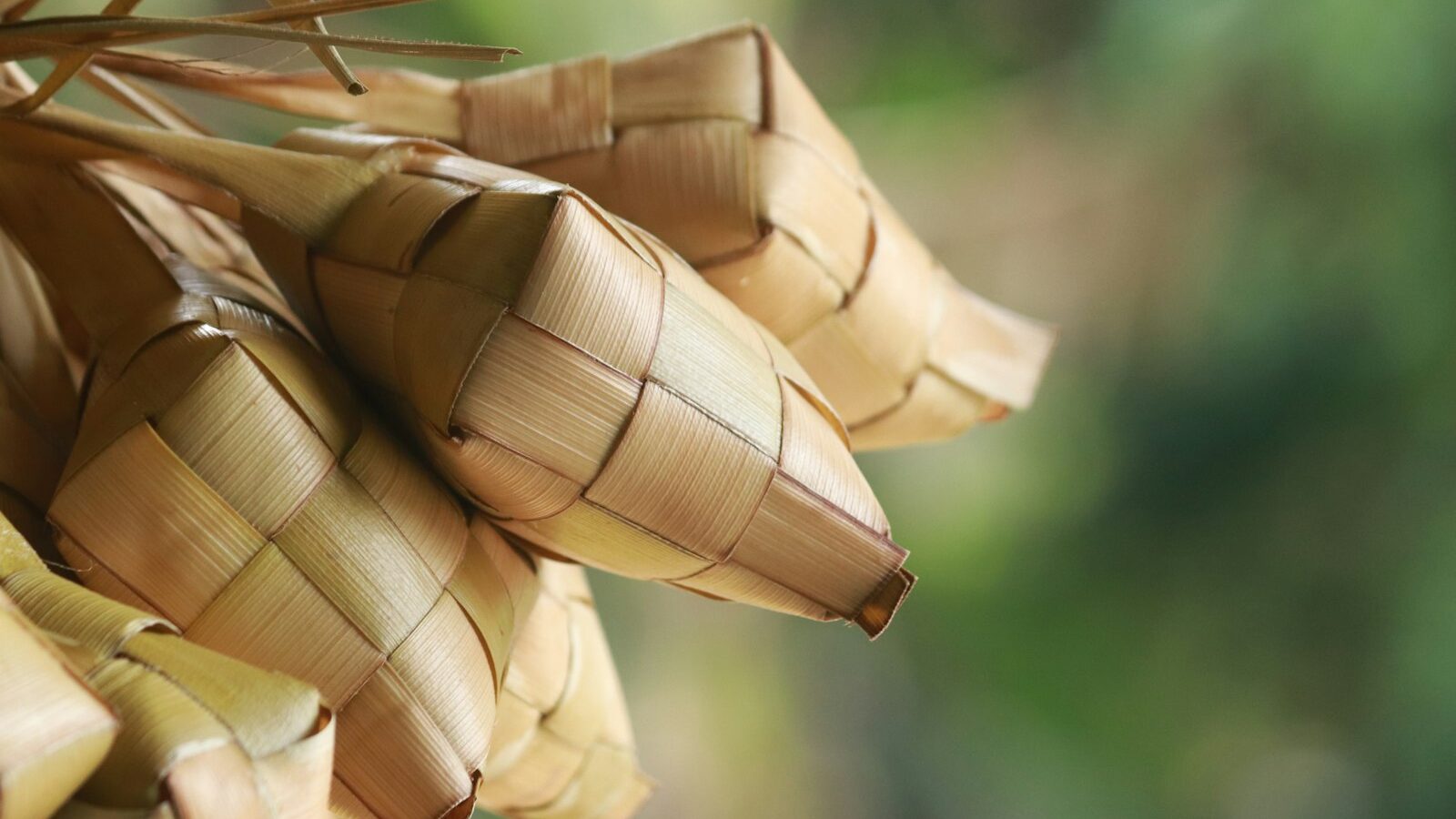
- Ketupat or nasi impit. Compressed rice cakes cut into cubes. They soak up the broth and give the bowl its staying power.
- Bergedil. A soft, fried mashed potato patty, often nudged into the soup so it goes half soft. For many people this is the best bit.
- Beansprouts and garnishes. Crunchy beansprouts, spring onion, fried shallots and chopped Chinese celery add freshness and aroma.
- Sambal and lime. A dab of chilli for heat and a squeeze of lime for brightness, added to taste.
- Sweet soy option. Some like a thin drizzle of kicap manis for a touch of sweetness.
Not every stall includes all of these, and portions vary, but this cast of ingredients is what gives soto ayam its signature layered feel: soft, crunchy, savoury and tangy all in one spoon.
Malay and Indonesian Styles You Will Meet
Because Singapore sits at a crossroads of Malay and Indonesian cooking, soto shows up in more than one guise. The differences are usually a matter of accent rather than a completely different dish, but they are worth knowing so you can pick what suits your mood.
| Style | Broth character | Common add ons | Typical serve |
|---|---|---|---|
| Malay style soto ayam | Clear, aromatic, gently spiced | Bergedil, ketupat, beansprouts | With rice cakes and sambal |
| Indonesian soto ayam | Turmeric forward, slightly richer | Vermicelli, boiled egg, koya powder in some versions | Often with steamed rice |
| Soto with beef (soto daging) | Deeper, meatier broth | Sliced beef or offal in some stalls | With rice or rice cakes |
| Mee soto | Soto broth over yellow noodles | Chicken, beansprouts, sambal | A noodle take on the same flavours |
If you enjoy the broth but want something more substantial, mee soto is an easy next step, since it pours those same spiced flavours over springy yellow noodles. And if you are dining with friends who prefer beef, many soto stalls or their neighbours will have a version to suit.
Do note that recipes vary from family to family and stall to stall, so treat these as general guides rather than strict rules. Half the pleasure is discovering which style you prefer.
How to Eat It Like a Local
Soto ayam is meant to be assembled and adjusted at the table, so do not be shy about making it yours.
- Taste the broth first. Before adding anything, take a spoonful plain. This tells you how the stall has balanced its spices.
- Add lime and sambal gradually. A little lime lifts everything. Add chilli in stages so you do not overwhelm the broth.
- Break up the bergedil. Press the potato patty into the soup so it softens and thickens the broth slightly.
- Mix the rice cakes through. Let the ketupat soak up the liquid rather than eating it dry.
- Finish with the garnishes. Beansprouts and fried shallots keep their crunch, so stir them in near the end.
Soto is usually eaten with a spoon and fork, and it pairs beautifully with a cup of teh or kopi. Many people treat it as a wholesome breakfast, but it works just as well for a light dinner when you do not want anything too rich.
Where to Find Soto Ayam in Singapore
You do not need to hunt hard for good soto. It is a staple at Malay and Indonesian stalls in hawker centres and food courts all over the island, and it often appears alongside other favourites like nasi lemak, mee rebus and lontong. Stalls in the older estates and in neighbourhoods with a strong Malay community are a reliable bet, and many long running stalls have quietly refined their broth over years of daily cooking.
Because prices, opening hours and stall locations change constantly, it is best to check current details before making a special trip. Ask the stallholder how spicy their sambal is if you are sensitive to heat, and if you are unsure about ingredients or halal certification, simply ask, as most stalls are happy to explain. Portions and toppings differ from place to place, so if a bowl comes without bergedil or ketupat, that is just that stall’s style rather than a mistake.
Once you have found a version you love, soto ayam has a way of becoming a regular order, the kind of gentle, spiced bowl you return to whenever you want comfort in a hurry.
Explore More
If soto has whet your appetite for Singapore’s Malay and Indonesian flavours, wander over to our nasi lemak guide and guide to lontong for more comforting classics. You can also browse our halal food guide and our overview of must try hawker food to plan your next meal out.