
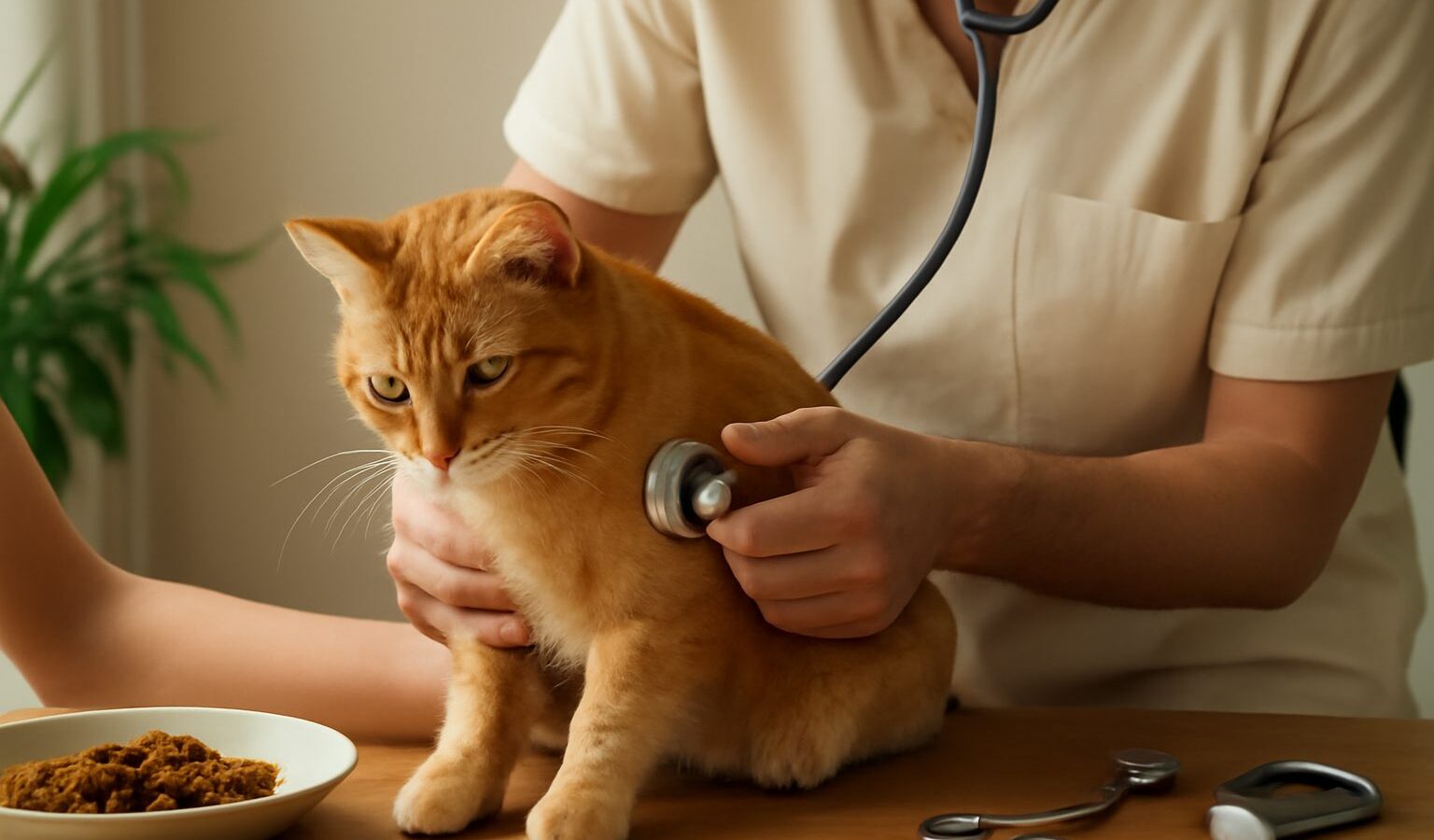
Deciding whether to desex your dog or cat is one of the bigger health choices you will make as an owner. Spaying and neutering singapore vets perform routinely are common surgical procedures that prevent unwanted litters and can bring real health and behaviour benefits. Spaying refers to desexing a female, and neutering usually refers to desexing a male, though the word neutering is sometimes used for both. This guide explains the benefits, what the procedure involves in general terms and how to care for your pet afterwards. It is general information, not veterinary advice, so your own vet should guide the timing and decision for your individual pet.
Why owners choose to desex
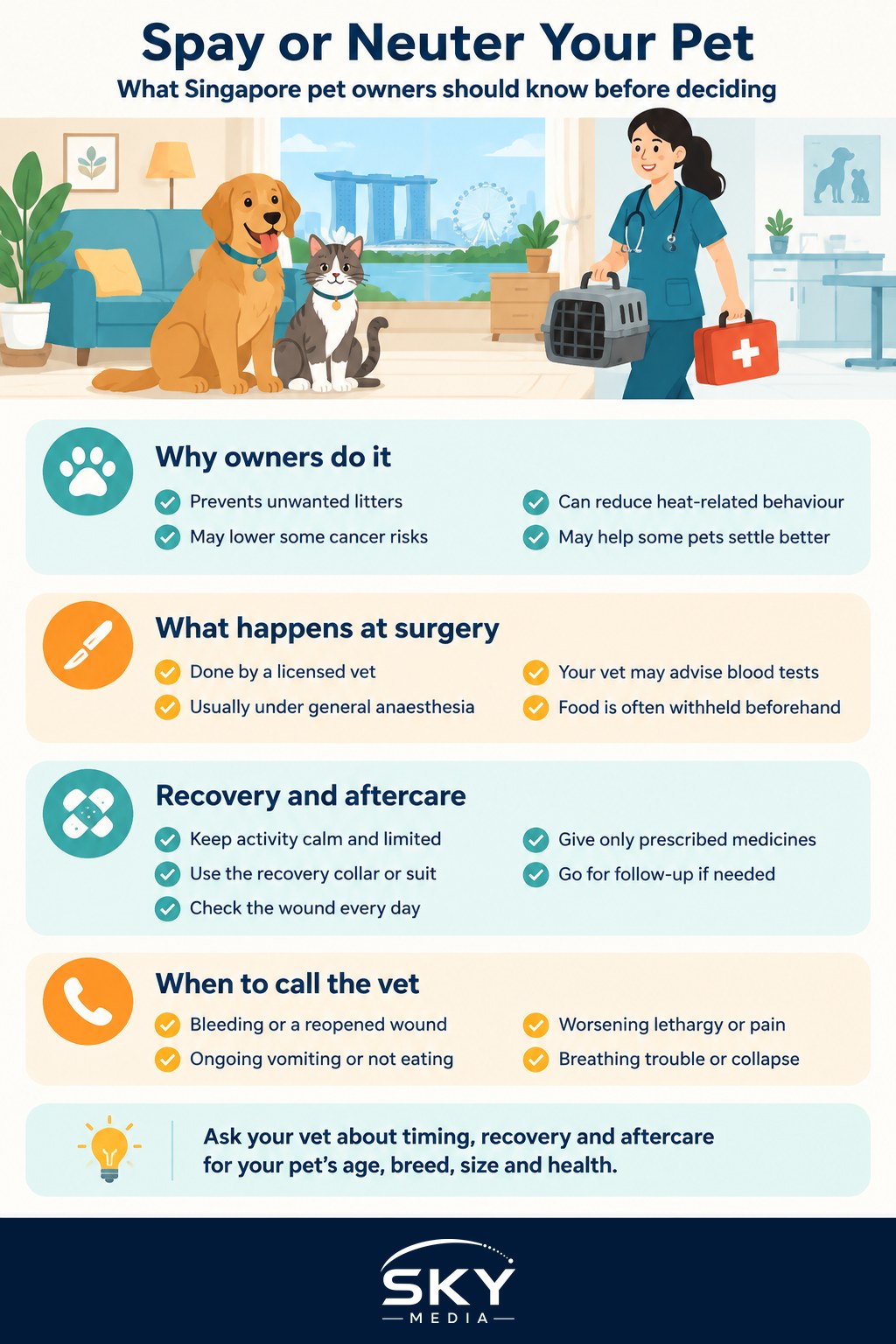
The most obvious reason is preventing unplanned litters. Singapore already has many animals in shelters waiting for homes, and an accidental litter adds to that. Beyond population control, desexing is linked with several potential health and behaviour benefits, though the exact effects vary by species, breed, age and the individual animal.
- Preventing unwanted pregnancies and the stress and cost that come with them.
- Reducing or removing the risk of certain reproductive cancers and infections, such as womb infections in females.
- Often reducing hormone-driven behaviours such as roaming, marking, some forms of aggression and the yowling and restlessness of a cat in heat.
- Making some pets calmer and easier to manage in a flat setting.
It is worth being balanced. Desexing is not a cure-all for behaviour problems, which usually also need training and management, and there are ongoing discussions among vets about the best timing for some breeds. That is exactly why the decision belongs with your vet, who can weigh your pet’s age, size, breed and health.
If you are still weighing up pet ownership in general, getting a pet in Singapore sets the wider context.
What the procedure involves
Spaying and neutering are done under general anaesthesia by a licensed vet. Before surgery your vet will usually examine your pet and may recommend pre-anaesthetic blood tests to check that it is fit for the procedure. You will normally be asked to withhold food for a set period beforehand, and your clinic will give you specific instructions to follow.
The surgery itself is routine for experienced vets, and many pets go home the same day or the next day. Your pet may be a little groggy from the anaesthetic at first. Your vet will explain pain relief, any medications, and how to care for the surgical site. The table below gives a general sense of the two procedures, but details differ by clinic and patient.
| Aspect | Spaying (female) | Neutering (male) |
|---|---|---|
| Purpose | Removes reproductive organs | Removes the testicles |
| Anaesthesia | General anaesthesia | General anaesthesia |
| Typical recovery | A couple of weeks of rest | Often a slightly shorter rest |
| Decided by | Your vet | Your vet |
Costs vary between clinics and depend on your pet’s species, size and health, and some community programmes exist for certain animals. Ask your clinic for a clear quote and what it includes rather than relying on figures you find online.
Recovery and aftercare
Good aftercare makes recovery smooth. Your vet will give tailored instructions, and the general principles below apply to most pets. The main goals are to keep the wound clean, prevent your pet from licking or chewing the site, and limit activity while it heals.
- Keep your pet calm and restrict jumping, running and rough play for the period your vet advises.
- Use the recovery collar or suit provided so your pet cannot lick or bite the stitches.
- Check the wound daily for swelling, redness, discharge or gaps, and keep it dry.
- Give any prescribed pain relief or medication exactly as directed, and do not give human painkillers, which can be toxic.
- Keep to the follow-up appointment for a wound check or stitch removal if needed.
Contact your vet promptly if you notice bleeding, a reopened wound, ongoing vomiting, refusal to eat for more than a day, lethargy that worsens, or signs of pain that are not controlled. Trouble breathing, collapse or a swollen, hard abdomen are emergencies, so get to an emergency vet immediately. Keep the details for emergency vet care in Singapore somewhere easy to find.
Making the decision
There is no single right answer for every pet, which is why a conversation with your vet matters so much. Talk through your pet’s age, breed, size, health and living situation, and ask about the benefits, risks and best timing for your individual animal. Whatever you decide, pair it with the other pillars of good care, including vaccinations, parasite control, good nutrition and regular check-ups. Handled thoughtfully, spaying and neutering singapore pet owners choose is a caring, responsible step that supports a healthier life at home. For related planning, see choosing a vet in Singapore and vaccinations for dogs and cats in Singapore.
Frequently Asked Questions
What age is best to spay or neuter a pet? There is no single answer, as timing depends on species, breed, size and health, and vets still discuss the best timing for some breeds. Your own vet can weigh these and recommend when.
Will desexing change my pet’s personality? It often reduces hormone-driven behaviours such as roaming, marking and yowling in a cat in heat, but it is not a cure-all. Behaviour problems usually still need training and management.
Do I need to fast my pet before the operation? Usually yes, for a set period before the anaesthetic, though your clinic will give specific instructions. Follow them exactly and tell the vet if your pet has eaten by mistake.
What should I do if the wound looks swollen or reopens? Contact your vet promptly, because bleeding, a reopened wound, discharge, worsening lethargy or uncontrolled pain all need attention. A swollen, hard abdomen or trouble breathing means an emergency vet immediately.
Can I give my pet human painkillers after surgery? No, human painkillers can be toxic to pets. Give only the pain relief your vet prescribes, exactly as directed, and ask the clinic if you are unsure about any medication.
Official sources: Animal & Veterinary Service