
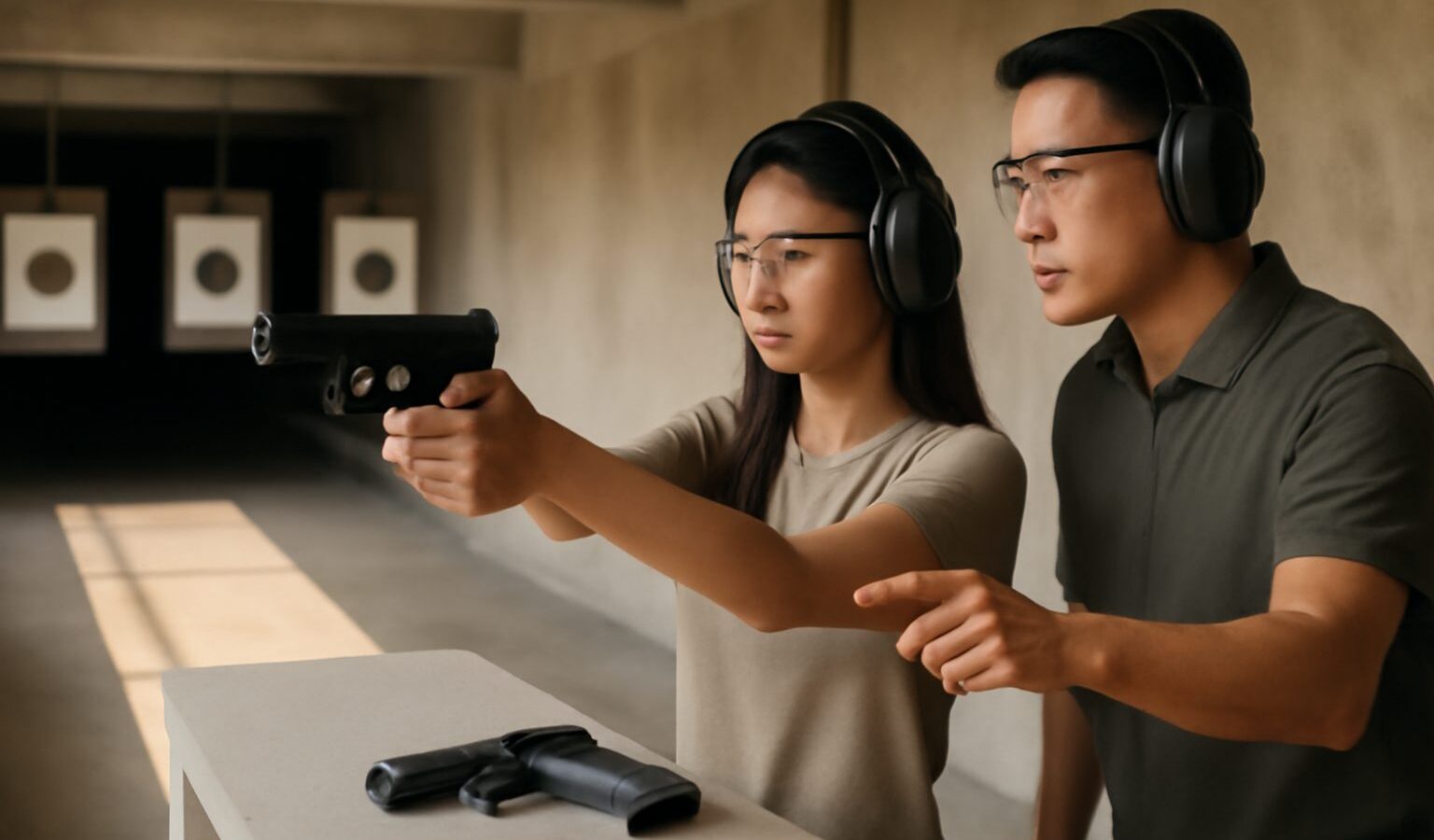
Singapore has some of the strictest weapons laws in the world, so many people are surprised to learn that target shooting is a well-established sport here. Singapore shooters compete regionally and internationally in air rifle and air pistol, and there are clubs where civilians can learn under supervision. If you have searched for a shooting range in Singapore, this guide explains what sport shooting actually involves, the rules that apply, how it differs from laser tag and paintball, and how to start safely.

What Sport Shooting Means in Singapore
Sport shooting is a precision sport. The goal is not action or excitement but control: steady breathing, still posture and a smooth trigger squeeze, repeated shot after shot at a paper or electronic target. Many people describe it as closer to archery or golf than to anything in films.
The disciplines you are most likely to come across:
- 10m air rifle and air pistol. These are Olympic events and the most common entry point. Shooters fire small pellets at a target ten metres away, usually on electronic scoring systems at indoor ranges.
- Smallbore and other firearm disciplines. Some ranges offer target shooting with .22 calibre rifles or pistols. These are more tightly controlled and typically need more training and supervision.
- Clay target shooting. Shotgun events where you shoot at moving clay discs. Facilities for this are limited in land-scarce Singapore, so check availability with clubs.
The national sports association for the sport, the Singapore Shooting Association (SSA), organises competitions and can point beginners towards clubs and training pathways. Some schools also run air rifle and air pistol as a co-curricular activity (CCA).
The Rules for Civilians
Guns and air guns are tightly regulated in Singapore under laws including the Arms and Explosives Act, with licensing handled by the Singapore Police Force. This is general information, not legal advice, but the main points for beginners are straightforward:
- You shoot only at approved ranges and clubs, under the supervision of trained range officers or coaches.
- You do not buy or keep a gun or air gun at home as a beginner. Equipment is provided and stays at the range. Owning arms, including some air guns and replicas, requires licences, and strict conditions apply.
- Never bring your own gun, air gun or replica to Singapore or to a range without first checking the legal requirements with the police. Importing them without the proper approvals is an offence.
- Age limits and ID checks apply. Clubs set minimum ages and may require identity documents and a signed declaration. Children usually need a parent or guardian present.
If you become serious about the sport, your club or the SSA can explain the licensing and membership steps for competitive shooters. Check the current requirements with them and the police rather than relying on forum posts.
Sport Shooting vs Laser Tag vs Paintball
People often lump these activities together, but they are very different experiences.
| Activity | What you use | What it feels like | Best for |
|---|---|---|---|
| Sport shooting | Real air rifles, air pistols or firearms at licensed ranges | Quiet, focused, individual precision | People who enjoy concentration and steady progress |
| Laser tag | Infrared guns and sensor vests | Fast, game-based, indoor team play | Kids’ parties, casual groups |
| Paintball | Markers firing paint balls | Physical, team tactics, some sting on impact | Team-building, adrenaline seekers |
| Airsoft | Replica guns firing plastic BBs | Tactical games and scenarios | Hobbyists who enjoy role-play |
Laser tag and paintball are recreational games. Sport shooting is a disciplined sport with strict safety procedures, and you will spend more time learning stance and breathing than running around.
What Your First Session Usually Looks Like
Many clubs and ranges offer try-out or introductory sessions. Formats vary, but a first visit usually includes:
- Registration and ID check. You may be asked to fill in a form and confirm you are fit to take part.
- Safety briefing. Range commands, how to handle equipment, where to point it, and what to do if something goes wrong.
- Basic technique. Stance, how to hold the rifle or pistol, sight alignment and trigger control.
- Supervised shooting. A set number of shots at a target, with a coach correcting your form.
- Review. Your target or electronic score, and suggestions for next time.
The core safety rules you will hear at any range:
- Always point the muzzle in a safe direction, downrange.
- Keep your finger off the trigger until you are ready to shoot.
- Treat every gun as loaded.
- Follow every command from the range officer immediately.
- Never handle equipment while someone is downrange.
How to Choose a Club or Range
Rather than picking the first result, compare options on what matters to you. Ask:
- Which disciplines do they offer? Air rifle and air pistol are the easiest start.
- Who supervises? Look for qualified coaches and dedicated range officers.
- Is it a one-off experience or a training pathway? Some places offer casual sessions; others run structured courses and membership.
- What are the costs? Ask about session fees, membership, equipment hire, targets and pellets. Prices change, so check directly.
- Age, health and booking policies. Minimum ages, whether parents must stay, cancellation terms, and what to do if you are unwell.
- Location and timings. Indoor ranges are usually comfortable whatever the weather, which is useful during rainy months.
What to Wear and Bring
- Comfortable clothes and closed-toe shoes. Avoid loose items that might catch on equipment.
- Your ID and any confirmation of booking.
- Glasses if you need them for distance. Ask whether the range provides eye and ear protection.
- Water, especially if you travel to the range in the heat.
Avoid caffeine right before a session if you notice it makes your hands shaky, and never take part after drinking alcohol.
Why People Stick With It
Target shooting rewards patience. Your scores improve as your posture, breathing and focus improve, and many people find the quiet concentration a welcome break from a busy week. It suits a wide range of ages and fitness levels, and there is a clear path from casual sessions to club competitions.
If you enjoy precision sports, you might also like practising your swing at one of the golf driving ranges in Singapore. And for a look at Singapore’s sporting past, read about Farrer Park’s heritage as a racecourse and sports ground.
Frequently Asked Questions
Can tourists or foreigners try sport shooting at a range in Singapore? Some clubs and ranges accept short-term visitors for supervised try-out sessions, but they set their own conditions, such as ID checks and minimum ages. Contact the range ahead and have your passport ready. Never bring any gun or replica from overseas.
Is sport shooting safe for beginners? It is a strictly controlled sport, and supervised sessions at licensed ranges follow clear safety commands. Safety depends on listening to the range officer and following the rules. Anyone who feels unwell or has been drinking alcohol should not take part.
How can my child get into competitive shooting? Start with a school co-curricular activity, where available, or a club that offers coaching in air rifle or air pistol. The Singapore Shooting Association can point families to clubs and training pathways. Check age limits, supervision and costs directly.
Can I buy an airsoft gun or replica to play with at home? Be very careful. Singapore’s laws on weapons and replicas are strict, and possessing or importing certain items without the right approvals is an offence. Check the legal requirements with the Singapore Police Force before buying anything.
Do I need good eyesight or fitness for sport shooting? You do not need to be athletic, but steady posture, good vision and calm breathing help. Glasses are fine if they let you see the target clearly. Ask the range about any health concerns before you go, and tell the coach if you feel unwell.
Further reading: Axe Throwing and Target Sports in Singapore