
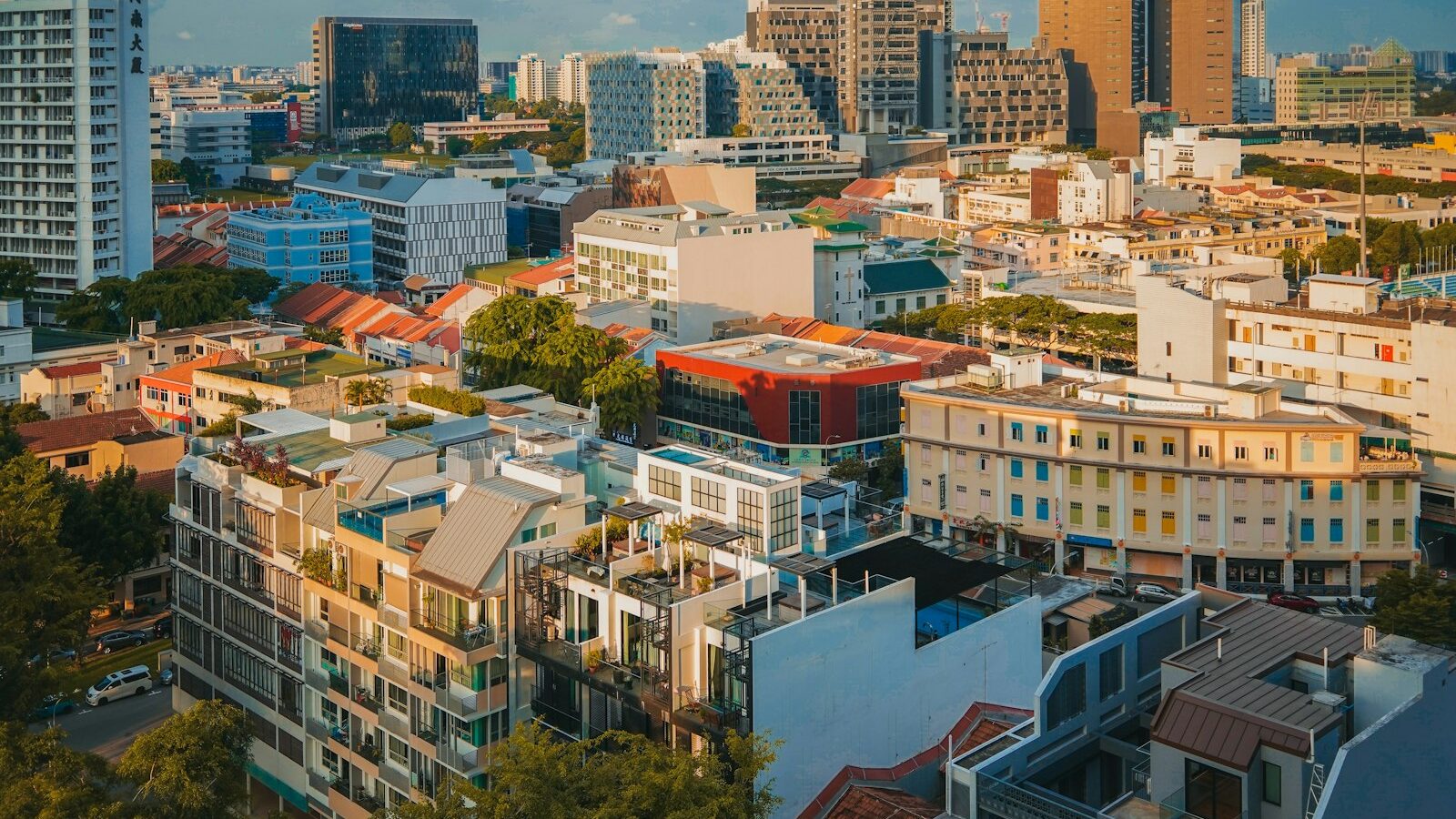
Tucked between Little India and the older residential streets that lead towards Serangoon Road, Farrer Park is a district whose quiet present belies a remarkably eventful past. To many Singaporeans today it is best known as an MRT station, a cluster of medical facilities and a dense neighbourhood of shophouses and flats. Yet the name Farrer Park carries with it more than a century of stories, from horse racing and open air sport to pioneering aviation and the growth of modern medicine. Understanding Farrer Park heritage is a rewarding way to trace how Singapore itself grew and changed.
The district takes its name from R. J. Farrer, a figure associated with municipal administration in the colonial era. Over the decades the land here has served many purposes, and each successive use has left traces that a curious visitor can still sense while walking the streets. This article looks at the layers of history that give the neighbourhood its distinctive character.
A Racecourse and a Sporting Ground
For a long stretch of its history, the open land at Farrer Park was closely tied to horse racing. In the nineteenth century a racecourse was laid out in this area, and race meetings became one of the social highlights of colonial Singapore. Crowds gathered to watch the horses, to socialise and to wager, and the events drew people from many communities across the island. The racecourse gave the surrounding district a lively, gregarious atmosphere that shaped how it developed.
In time the racing activities moved elsewhere, but the open ground did not fall silent. It was turned over to public recreation and became an important sporting venue. Farrer Park served generations of Singaporeans as a place for athletics, football and other games, and it holds a cherished spot in the story of local sport. For many families the padang here was where children learned to play and where community matches were held. This tradition of open air recreation is part of what makes the area feel woven into everyday Singaporean life rather than set apart from it.
The sporting heritage of Farrer Park also connects to the broader civic history of the island. Public grounds like this one were among the few large open spaces available to ordinary residents, and they hosted rallies, gatherings and celebrations as well as sport. To walk here is to stand where a great deal of communal life once unfolded in the open air.
Singapore’s First Flight and Early Aviation
One of the most striking chapters in Farrer Park heritage is its link to the very beginnings of aviation in Singapore. The open expanse of the former racecourse and recreation ground provided a rare stretch of flat, clear land, and it was here that Singapore witnessed its first flight by an aircraft in the early twentieth century. For a community that had never before seen a flying machine leave the ground, the sight must have been astonishing.
This early experiment in flight took place long before the island had any dedicated airfield, and it marked the start of a long relationship between Singapore and aviation that would eventually make the country one of the great air hubs of the region. Standing in the modern neighbourhood today, it can be hard to picture the roar of an early engine and the crowds craning their necks skyward. Yet that moment is a genuine part of the district’s story and a reminder that great changes often begin in modest, everyday places.
Early Hospitals and the Growth of Medicine
Farrer Park has long been associated with health care, and this connection continues into the present day. The area was home to early hospital facilities, and over the years it grew into an important centre for medicine in Singapore. Today the district contains modern medical institutions, and the name Farrer Park is familiar to many people precisely because of its association with hospitals and clinics.
This medical heritage sits interestingly alongside the district’s sporting and social past. A place once devoted to horses, athletics and open air leisure has, over time, also become a place of care and healing. The two strands are not as separate as they might seem, for both reflect the needs of a growing population and the way the same tract of land can be reshaped to serve each new era.
The Neighbourhood Today
Modern Farrer Park is a busy, layered part of the city. It sits close to the vibrant streets of Little India, and the two areas blend into one another, sharing eateries, places of worship and a strong sense of multicultural life. Many of the temples and cultural sites nearby form part of Singapore’s wider story of religious harmony and festivals, and the district makes a natural starting point for exploring that heritage on foot.
The neighbourhood is served by Farrer Park MRT station, which makes it easy to reach and a convenient base for wandering. Visitors who enjoy uncovering the past will find that a slow walk rewards them with glimpses of older shophouses, community landmarks and the quiet echoes of a racecourse, a sporting ground and a first flight that once made this ground extraordinary. If you are planning a heritage outing, it pairs well with the wider Singapore festivals guide and the cultural sites of the surrounding districts.
Farrer Park may look unassuming at first glance, but few neighbourhoods pack quite so much history into so small an area. From the thunder of racehorses to the first aircraft to lift off Singapore soil, and from early hospital wards to today’s medical hub, the district offers a compact and fascinating window into how the nation grew.