
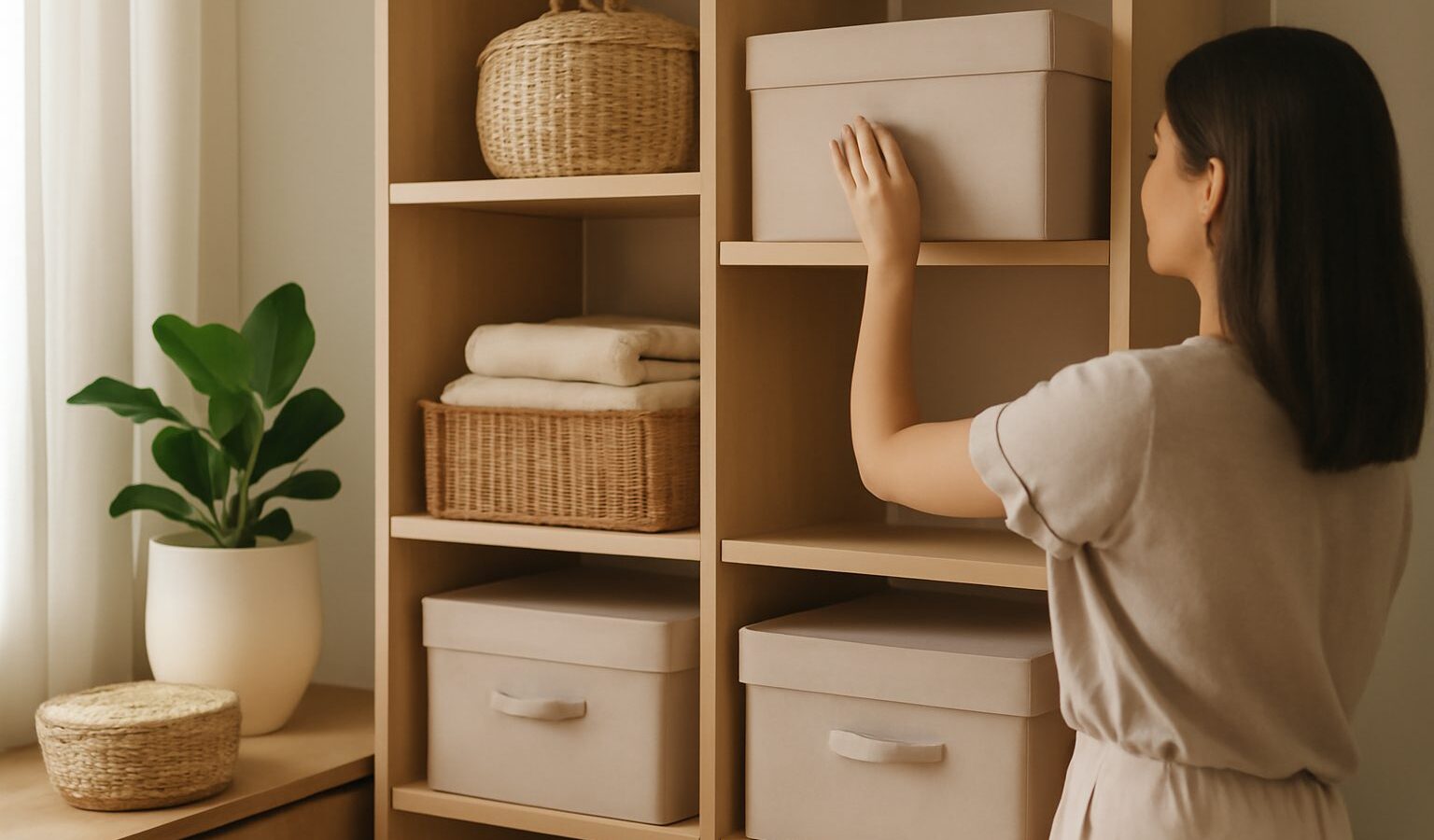
Space is the quiet luxury of Singapore living. Whether you are in a compact HDB flat, a resale maisonette or a new condo, the difference between a calm home and a cluttered one usually comes down to storage. Good home storage in Singapore is not about buying more boxes. It is about matching what you own to where it lives, using vertical space that often sits empty, and choosing between built-in carpentry and freestanding units with your budget and lease in mind. This guide walks through the practical decisions, from planning a wardrobe to keeping a bomb shelter useful, so your flat works harder without feeling packed.
Start With A Declutter, Not A Shopping List
The most common mistake is buying storage before deciding what to keep. You end up organising things you do not use and paying for space to hold them. Before any renovation quote or trip to the furniture store, sort what you own into keep, donate, sell and discard.
- Work room by room so the task feels finite. A single wardrobe or kitchen cabinet in one sitting is realistic.
- Be honest about duplicates and “just in case” items. Kitchen gadgets, cables and expired products are the usual culprits.
- For donations, groups like the Salvation Army and various charity collection points accept usable clothing, furniture and household goods. For bulky items, town councils arrange bulky-item removal, so check your town council for the current process.
Only once you know your true volume of belongings should you plan storage. This keeps you from over-building carpentry you do not need, which is where a lot of renovation budget quietly disappears.
Built-In Carpentry Versus Freestanding Units
The biggest storage decision in most homes is whether to commit to built-in carpentry or buy freestanding furniture. Built-ins are made to measure, use awkward corners and full ceiling height, and look seamless. Freestanding units cost less upfront, move with you and are easy to change, but they waste the gaps around and above them. Your choice depends on how long you will stay, whether you own or rent, and how tidy you need the finish to be.
| Storage type | Best for | Rough relative cost | Flexibility | Space efficiency |
|---|---|---|---|---|
| Built-in carpentry | Long-stay owners, awkward layouts | Higher | Low (fixed) | High (uses full height and corners) |
| Freestanding furniture | Renters, changing needs | Lower | High (moves with you) | Moderate (gaps around units) |
| Modular systems (e.g. track wardrobes) | Middle ground, evolving homes | Medium | Medium (reconfigurable) | Medium to high |
| Hybrid (built-in shell, modular inserts) | Owners wanting future flexibility | Medium to high | Medium | High |
If you are weighing a full renovation, our guide to built-in carpentry goes deeper into materials, finishes and what drives the price. Renters and short-stay residents usually get better value from modular and freestanding systems that follow them to the next home.
Room-By-Room Storage That Actually Works
Different rooms have different storage logic. Planning by room, rather than by product, keeps things where you use them.
Bedrooms and wardrobes
Wardrobes are where storage pays off most. Take them to the ceiling and use the top shelf for seasonal or rarely used items. Inside, mix hanging space, drawers and open shelves so shirts, folded knits and accessories each have a home. Pull-out trouser rails and valet rods reduce creasing. Under-bed storage, whether a lift-up bed frame or low drawers, is ideal for bedding and luggage.
Kitchens
The kitchen rewards vertical thinking. Tall pull-out pantry units, corner carousels and drawer dividers turn dead space into usable storage. Keep daily items at waist height and push seldom-used appliances up high or deep. Magnetic strips and rail systems free up counter space for cooking.
Living and entertainment areas
A full-height feature wall with a mix of closed cabinets and open display keeps clutter hidden while giving you room to show a few things you like. Cable management inside the TV console keeps the visual noise down.
Bathrooms and utility
Mirror cabinets, niche shelves in the shower and slim tall units make the most of tight bathrooms. In HDB flats, the household shelter, often called the bomb shelter, is frequently used for storage. It works well for dry, non-perishable items, but keep it accessible and do not drill into its walls, door or frame, as HDB rules protect its structural integrity.
Small-Space Strategies For HDB Flats And Condos
When floor area is tight, the walls, the height and the furniture itself have to work harder.
- Go vertical. Shelving that runs to the ceiling adds storage without taking more floor.
- Choose double-duty furniture. Storage beds, ottomans that open, benches with cavities and extendable tables all earn their footprint.
- Use the backs of doors and the insides of cabinet doors for hooks, racks and organisers.
- Keep sightlines clear. Legs on sofas and floating units make a room read as larger, which matters as much as raw capacity.
- Contain the small stuff. Baskets and labelled boxes turn messy shelves into tidy ones and make it obvious when a category has outgrown its space.
For a deeper look at planning a compact home, see our guide to small-space living in Singapore, which covers layout and furniture choices in more detail.
Maintaining The System So It Lasts
Storage only stays useful if the habits behind it hold. A one-in, one-out rule for clothes, toys and kitchenware keeps volume steady. Reset high-traffic zones, the entryway, the kitchen counter and the study desk, once a week so clutter does not settle. Twice a year, usually at a natural reset like a spring clean, revisit the seasonal items up high and re-donate what you did not touch. Humidity is a real factor here, so keep silica or a small dehumidifier in enclosed wardrobes and shoe cabinets to protect leather and fabric.
If you are combining storage planning with a wider renovation, decide early whether an interior designer or a contractor suits your project, since carpentry-heavy homes often benefit from a designer’s space planning. And once the boxes are unpacked, a good home maintenance routine keeps everything, storage included, in good shape.
Explore More
For the bigger picture on fitting out your flat, read our guides to built-in carpentry in Singapore and small-space living. If you are just settling in, the home move-in checklist pairs well with a first-day storage plan, and interior design styles can help you choose finishes that keep storage looking calm rather than cluttered.