
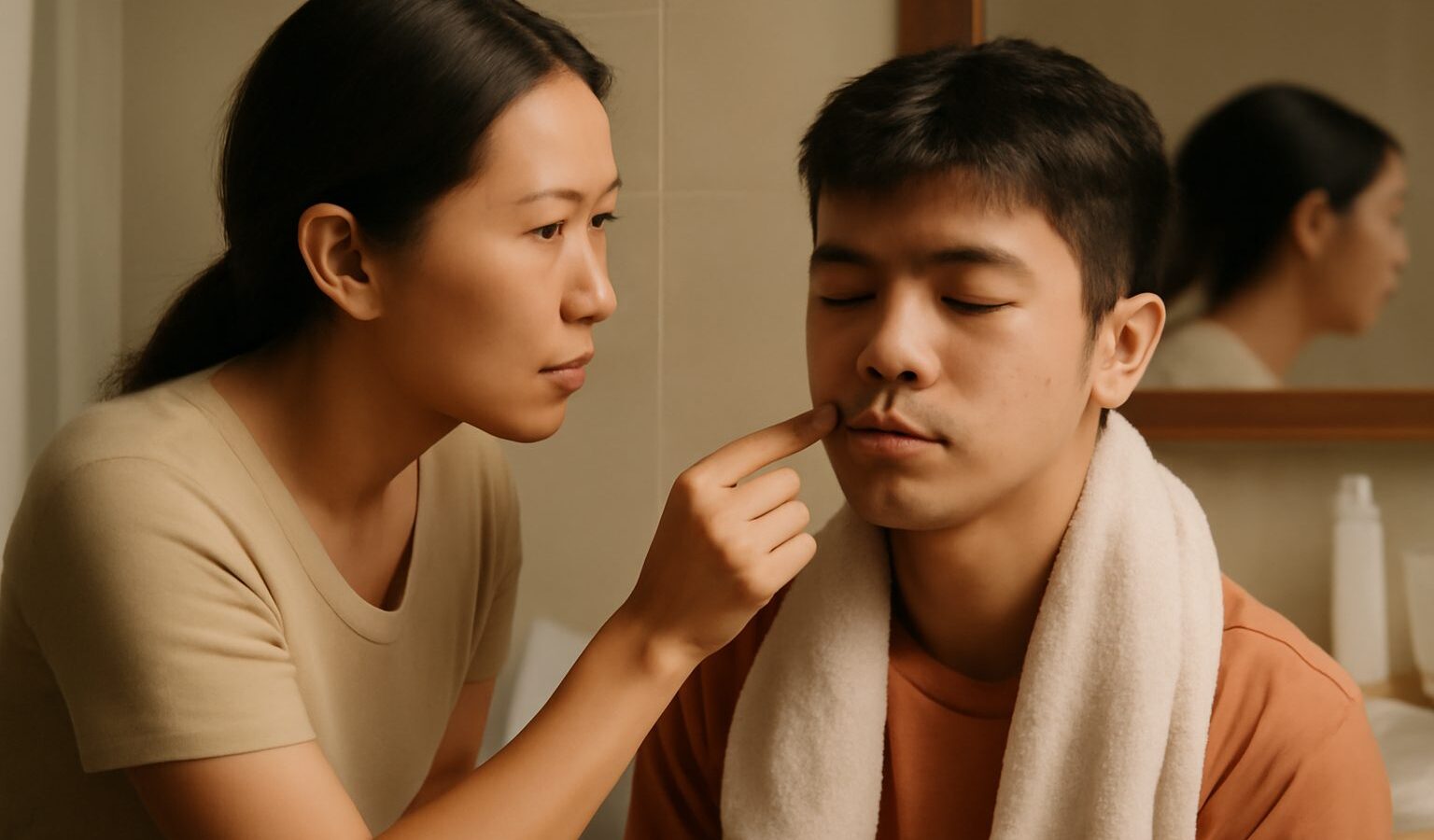
Spots and breakouts are one of the most common parts of growing up, and yet they can feel like a very big deal to a teenager. Teen acne in Singapore is especially tricky to manage, since the warm, humid climate means sweat, oil, and sunscreen mingle on the skin all day long. As a parent, you can offer steady, practical help: simple skincare habits, a calm attitude, and a clear sense of when it is time to see a doctor. Just as importantly, you can protect your teen’s confidence while their skin settles.
This guide keeps things gentle and general. It does not name products or treatments, because the right choice for skin, especially anything stronger, is best guided by a doctor or dermatologist.
Understanding Teen Skin And Acne
Acne is extremely common during the teenage years. As hormones shift during puberty, the skin produces more oil, and pores can become blocked, leading to whiteheads, blackheads, and pimples on the face, back, or chest. This is a normal part of development, not a sign of poor hygiene, and it is not something your teen has caused by being dirty or careless.
Singapore’s climate adds its own layer. Heat and humidity mean more sweat and oil, and many teens are out and about, exercising, or in and out of air-conditioning throughout the day. Sunscreen, which is genuinely good for skin, can also feel heavy in this weather. None of this means acne is your teen’s fault, and it helps to say so out loud.
Resist the urge to comment on every spot. Teens are often already very aware of their skin, and repeated remarks, even well-meaning ones, can sting. Follow their lead, keep the tone matter of fact, and treat skincare as ordinary self-care rather than a problem to be fixed at all costs.
Gentle Skincare Basics You Can Encourage
A simple, consistent routine beats a cupboard full of products. Encourage your teen to keep it easy and to give any routine time to work, since skin rarely changes overnight.
The foundations are gentle and familiar. Washing the face twice a day with a mild cleanser, and after heavy sweating, helps clear excess oil without stripping the skin. Scrubbing hard or washing too often can irritate skin and make things worse, so gentle is the watchword. A light, non-greasy moisturiser suits our climate, and daily sunscreen protects the skin, especially if your teen is active outdoors.
A few everyday habits help too. Try not to pick or squeeze spots, since this can worsen marks and lead to scarring. Keep hands, phone screens, and pillowcases reasonably clean, as these all touch the face. After sport or a sweaty commute, a quick rinse and a change of shirt can make a difference for skin on the back and chest.
Steer clear of harsh do-it-yourself remedies and strong products picked up on a whim, which can irritate sensitive teen skin. If your teen wants to try something more targeted, that is a good moment to involve a doctor or pharmacist rather than experimenting alone. Keep expectations realistic and patient, since consistency over weeks matters more than any single product.
Protecting Self-Esteem And When To See A Doctor
For many teens, the hardest part of acne is how it makes them feel. Skin worries can chip away at confidence at an age when appearance already feels loaded. Listen more than you lecture, take their feelings seriously, and avoid brushing off their concerns with a cheerful it is only a phase, even though it often is.
Remind your teen, gently and often, that almost everyone gets acne and that it says nothing about their worth. Because skin and self-image are so closely linked at this age, our guide on helping teens with body image is a helpful companion, as is our piece on supporting your teen’s mental wellbeing if you sense their mood is being affected.
Know when to move beyond home care. If your teen’s acne is moderate to severe, painful, spreading, leaving marks or scars, or clearly weighing on their mood despite a steady routine, it is time to see a doctor or dermatologist. A professional can assess the skin properly and guide any stronger treatment safely, which is something best left to them rather than to trial and error at home.
There is no single right way to handle this, and every teen’s skin and temperament are different. Your calm support, a simple routine, and a willingness to seek professional help when needed give your teen the best chance to feel comfortable in their own skin. For more on navigating these years with patience and warmth, our guide to parenting teenagers in Singapore offers plenty of steady, practical reassurance.