
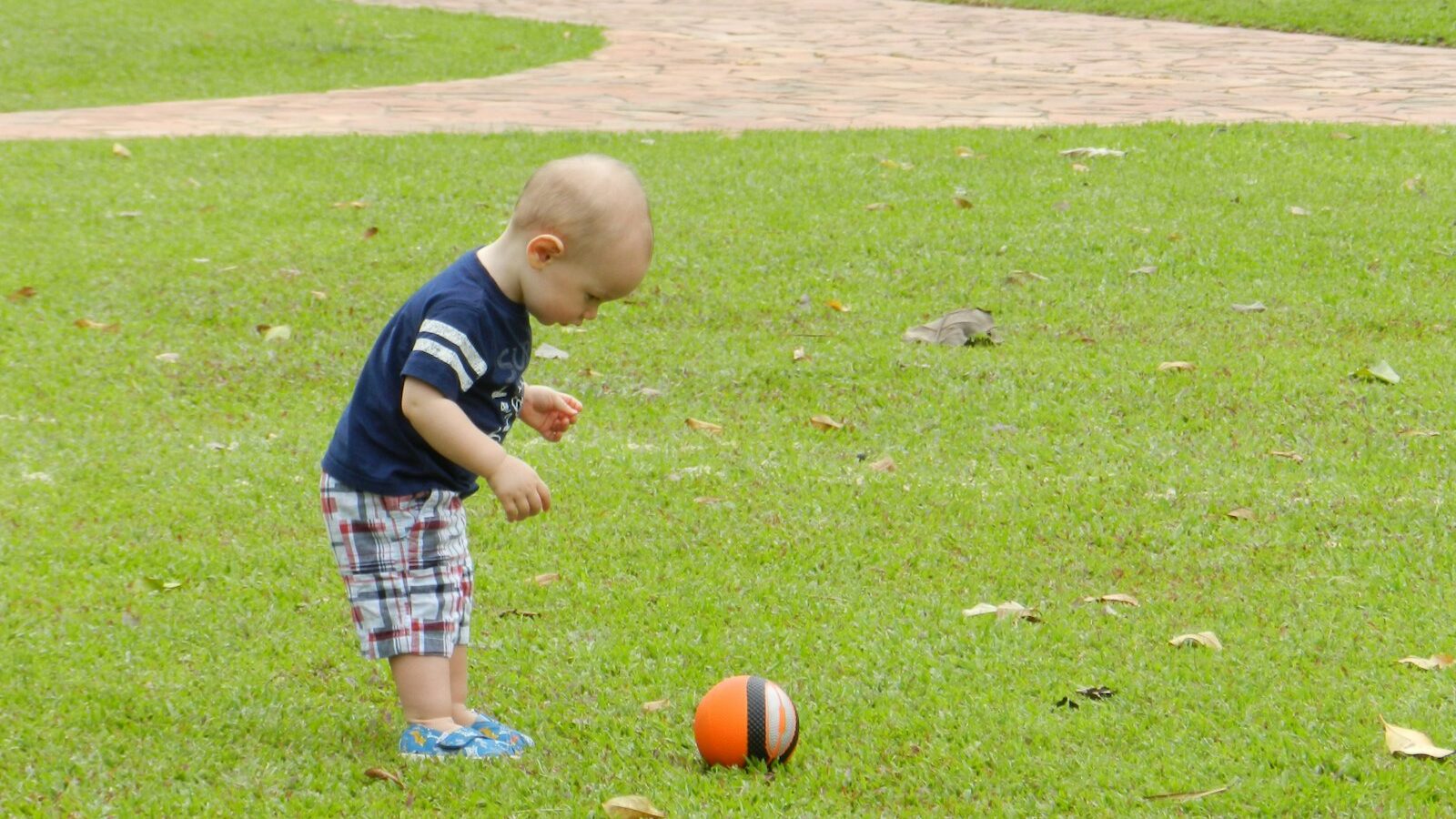
If your toddler snatches a toy at playgroup, wails when a cousin touches their blocks, or shouts “mine” at the playground, take a breath. This is not a sign of a selfish child or a parenting slip. Toddler sharing in Singapore, as everywhere, is a skill that develops slowly, and most young children are simply not ready to share easily yet. Understanding that changes everything about how you respond.
Very young children live in the here and now. To a two year old, giving up a toy can feel like losing it forever, because they do not yet grasp that they will get it back. On top of that, toddlers are only beginning to understand that other people have feelings separate from their own. Expecting instant, cheerful sharing at this age is like expecting a child to read before they know their letters. It comes later, with time and gentle practice.
Set Realistic Expectations First
Sharing on demand is genuinely hard for toddlers, and pushing too soon usually backfires with tears and resistance. It helps to lower the bar to something your child can actually manage. Taking turns is often easier for a small child to grasp than sharing, because the toy comes back, and that predictability feels safe.
A few realistic expectations to hold:
- Under two, most children play alongside others rather than truly with them. Sharing is not really on the table yet.
- Between two and three, toddlers can begin to take turns with support, but they will still struggle and forget.
- Around three and four, sharing starts to come more naturally, though it remains uneven.
Every child is different, and there is no single timeline. A child who shares happily one week may refuse the next. This is normal, not a regression to worry about.
Practical Ways to Encourage Sharing
The best teaching happens in small, low pressure moments rather than in the heat of a tug of war. Here are approaches that work with a toddler’s stage rather than against it.
Model it yourself. Toddlers copy what they see. Narrate your own sharing out loud. “I am sharing my biscuit with you. Here is a piece.” Let them see you and your partner, grandparents and helper passing things back and forth at home.
Practise turn taking as a game. Roll a ball back and forth and say “My turn, your turn” in a sing song way. Use a simple timer or a short song to signal when a turn ends. Making it playful takes the sting out of waiting.
Praise the behaviour when it happens. When your toddler hands over a toy, even reluctantly, notice it warmly. “You gave your friend a turn. That was so kind.” Children repeat what gets happy attention.
Protect a few special things. Before a playdate or a visit to cousins, let your child put away one or two most precious toys. Knowing their favourite blanket or figure is safe makes them far more willing to share the rest.
Give words for the feeling. When a snatch happens, name it calmly. “You really wanted that. It is hard to wait.” Then guide the next step. “Your friend is using it now. You can have a turn after.” Feeling understood helps a child cooperate.
Set up for success at the playground. In busy HDB and condo playgrounds, popular equipment sparks plenty of turn taking battles. Coaching gently in the moment, and keeping outings short before your child is tired, prevents many meltdowns before they start.
Handling the Hard Moments
Conflicts will still happen, especially at playgroup or with siblings and cousins. When two children want the same toy, stay calm and close. Get down to their level and acknowledge both children. You do not need to referee every squabble instantly. Sometimes toddlers work it out with a little space and a watchful adult nearby.
Avoid forcing your child to hand something over the second another child cries. Grabbing a toy from your own child to give to another teaches that the biggest or loudest person wins, which is the opposite of the lesson. Instead, support a turn. “She is nearly finished. Let us count to ten, then it is your turn.”
Grandparents and helpers are often deeply involved in daily care here, so it helps if the adults share a consistent, gentle approach. When everyone responds in a similar way, your toddler gets a clearer, steadier message.
Sharing is closely tied to other social and emotional skills that grow through the toddler years. You may find it useful to read more on toddler tantrums and behaviour, on managing whining and negotiating and on encouraging your toddler to talk, since language helps children express needs without grabbing.
Be patient with yourself as much as with your child. Teaching sharing is slow, repetitive work, and progress is rarely a straight line. If your child seems to have unusual, ongoing difficulty playing with others, struggles far more than peers over a long period, or shows very aggressive behaviour that does not ease, it is reasonable to raise it with your doctor or a child development professional. For most families, though, sharing simply arrives in its own time, helped along by warmth, modelling and plenty of gentle practice. There is no single right way to get there.