
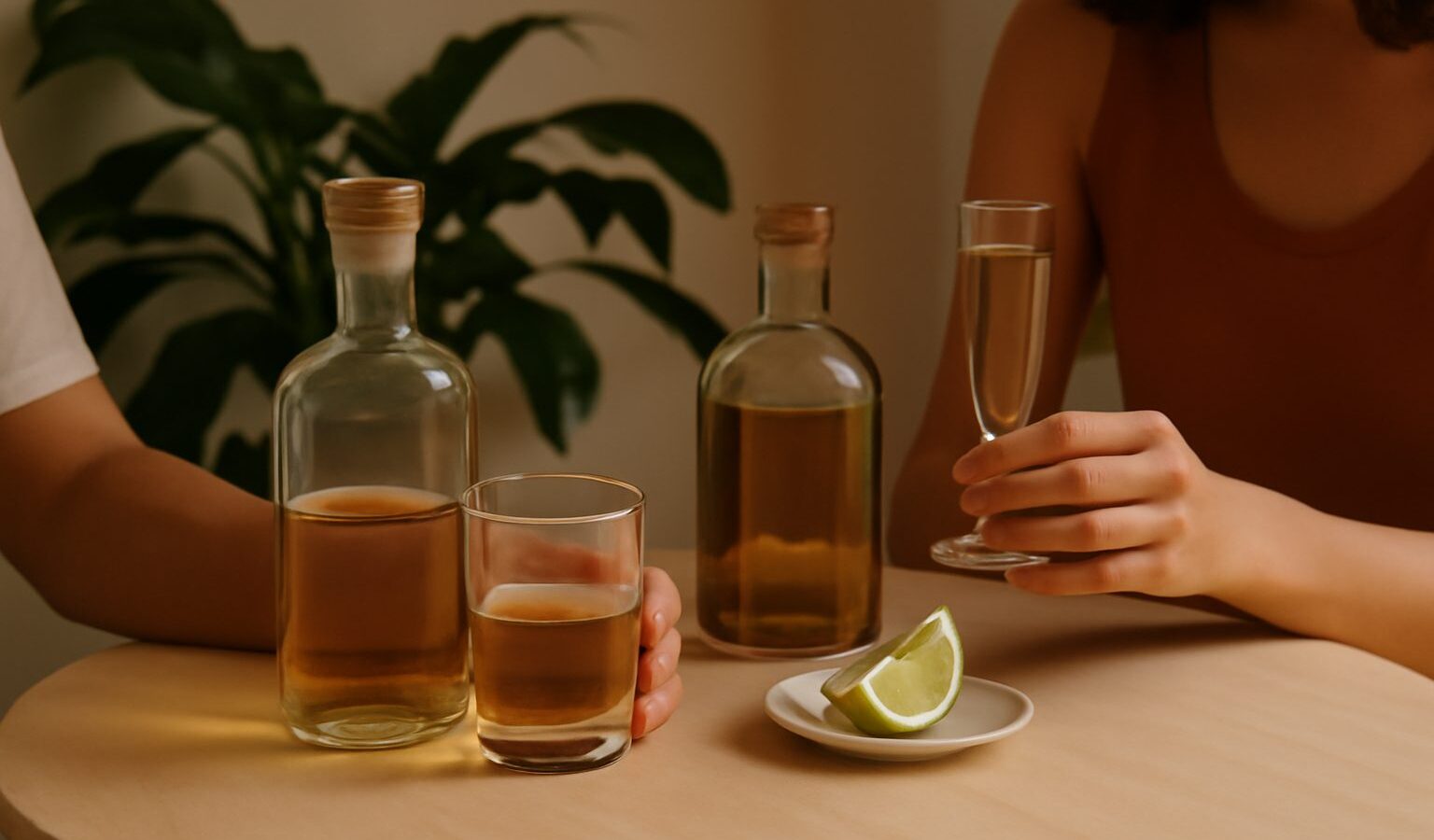
Few spirits have shed their reputation as quickly as agave has. For years the mention of tequila conjured salt, lime and a wince, but the good news for anyone exploring tequila in Singapore is that the city’s better bars now treat it, and its smoky cousin mezcal, with the same respect they give whisky or cognac. These are complex, hand-crafted spirits with deep roots in Mexican tradition, and learning to sip rather than shoot them opens up a whole new corner of the drinking world. This guide covers how agave spirits are made, how tequila and mezcal differ, what to order, and how to enjoy them well.
First, the sensible bit: agave spirits are for those of legal drinking age and are best enjoyed in moderation or not at all. A quality tequila deserves to be savoured slowly, so pace yourself, keep water nearby, never drink and drive, and plan a safe way home before the evening begins.
How Agave Spirits Are Made
Both tequila and mezcal are distilled from the agave, a spiky succulent that takes years to mature. The heart of the plant, called the pina because it resembles a giant pineapple, is harvested, cooked to convert its starches to sugar, then fermented and distilled. That long growing time is part of why good agave spirits carry real value.
The key difference lies in the plant and the cooking. Tequila is made only from blue agave, mostly in and around the state of Jalisco, and the pinas are usually steamed in ovens. Mezcal can be made from many agave varieties across a wider region, and the pinas are traditionally roasted in earthen pits lined with hot stones. That underground roasting is what gives mezcal its signature campfire smokiness. As the saying goes, all tequila is a type of mezcal in spirit, but not all mezcal is tequila.
Reading a Tequila Label
Ageing changes agave spirits dramatically, and the label tells you most of what you need to know. Understanding these terms helps you order with confidence rather than guessing.
- Blanco or silver. Unaged or rested only briefly. Bright, peppery and full of fresh agave character. The purest expression of the plant.
- Reposado. Rested in oak for two months to a year. Softer, with light vanilla and caramel rounding out the agave.
- Anejo. Aged one to three years. Richer, smoother and more whisky-like, with oak and dried fruit.
- Extra anejo. Aged beyond three years. Deep, luxurious and made for slow sipping.
For quality, look for bottles marked “100% agave”. Anything without that phrase is a mixto, cut with other sugars, and tends to be the harsher stuff behind old party stories.
Where to Explore Agave in Singapore
The city’s agave scene has grown steadily, and you can find it in a few distinct settings. Because bars change often, treat these as types of venue to look for rather than fixed addresses, and check current details before you go.
- Dedicated agave and Mexican bars. Shophouse spots and modern cantinas with long tequila and mezcal lists, knowledgeable staff and flights that let you compare styles side by side.
- Craft cocktail bars. Venues in the CBD and along the river that build excellent margaritas and more inventive agave drinks.
- Modern Mexican restaurants. Kitchens where the food and the spirits are matched thoughtfully, and where a smoky mezcal alongside tacos makes perfect sense.
- Fine spirits lounges. Quieter rooms that keep a few premium sipping bottles for those who want to taste agave neat.
If you are unsure where to start, ask for a flight. Tasting a blanco, a reposado and a mezcal in small pours is the fastest way to find what you like.
What to Order and How They Compare
Whether you want a refreshing long drink or a contemplative neat pour, there is an agave spirit for the moment. The table below sketches the main styles side by side.
| Style | Flavour profile | Best enjoyed |
|---|---|---|
| Blanco tequila | Fresh, peppery, citrus-bright | Margaritas, palomas, sipping neat |
| Reposado tequila | Mellow, light vanilla and oak | Sipping, stirred cocktails |
| Anejo tequila | Rich, smooth, whisky-like | Slow sipping, neat or one cube |
| Joven mezcal | Smoky, earthy, vegetal | Sipping neat, smoky twists on classics |
| Aged mezcal | Deep smoke with soft oak | Slow, contemplative sipping |
Two orders are worth knowing. The margarita, done properly with fresh lime, good blanco and a touch of orange liqueur, is a genuinely great cocktail rather than a sugary slushie. The paloma, tequila with grapefruit soda and a pinch of salt, is lighter, refreshing and perfectly suited to the local heat.
Sipping, Not Shooting
The single best change you can make is to stop treating tequila as something to endure. Quality agave is meant to be sipped slowly at room temperature, often from a small tumbler. In its homeland it is traditionally paired with sangrita, a savoury, citrusy, lightly spiced chaser, rather than salt and lime. Take small sips, let the flavours unfold, and notice how a good reposado can be as nuanced as any fine whisky.
A few habits keep the experience enjoyable and safe:
- Sip, do not race. Neat agave rewards patience, and slowing down naturally keeps your intake in check.
- Drink water alongside. It keeps you fresher and makes the next day kinder.
- Line your stomach. Enjoy agave with food, whether tacos, cheese or roasted nuts. Do flag nut allergens if you are sharing snacks.
- Count honestly. Cocktails and generous pours add up faster than they seem.
- Plan your way home. Sort your transport before you start, and never drive after drinking.
Approached with curiosity and a little care, tequila and mezcal offer some of the most exciting flavours on any back bar: sunshine and smoke in a glass, best enjoyed slowly and in good company.
Explore more
Keen on more spirits? Compare notes with our guide to rum and tiki bars in Singapore, brush up on the enduring mixed drinks in the Singapore Sling and classic cocktails, and if you would rather mix at home, start with stocking a home bar in Singapore.