
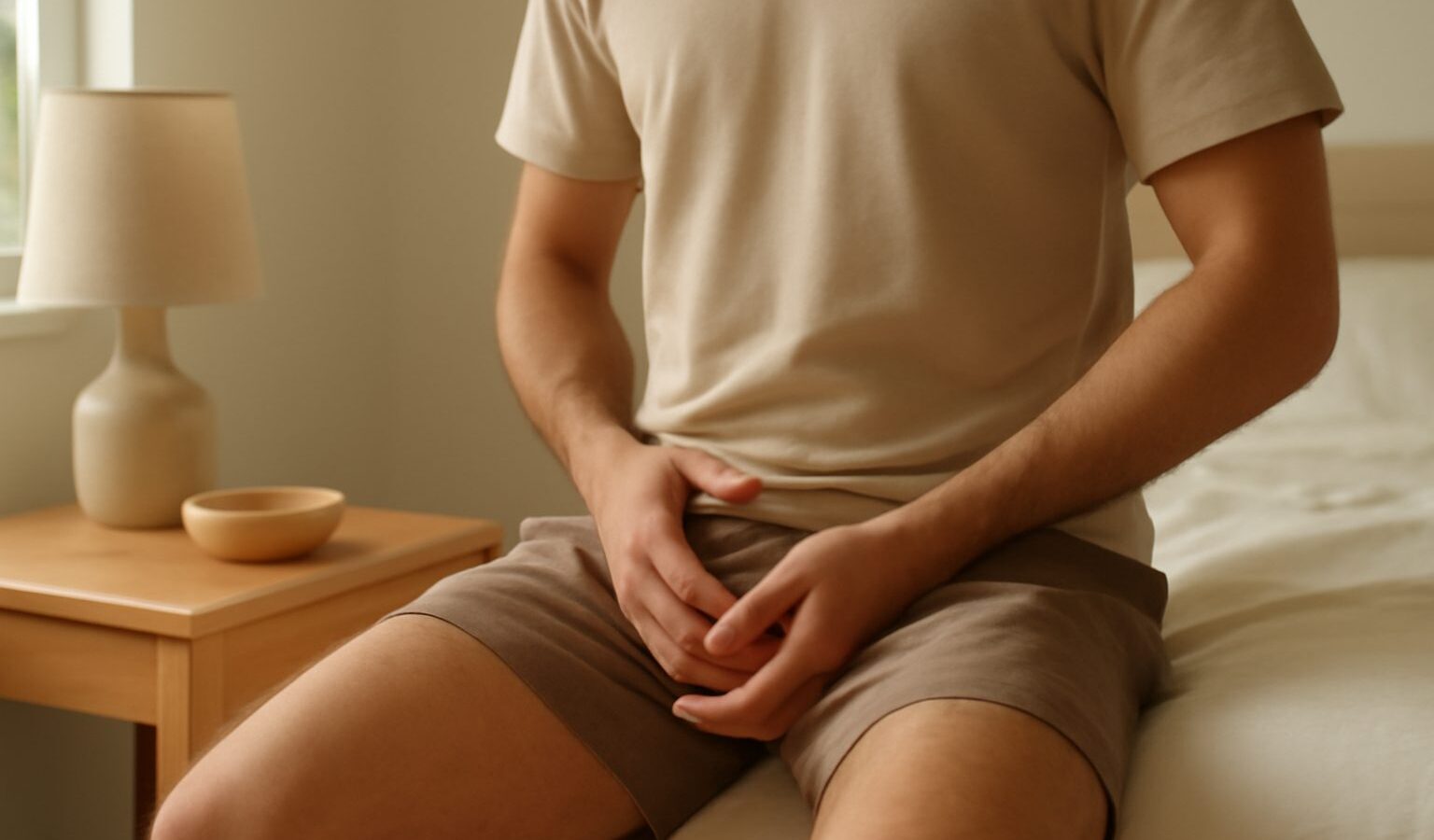
Getting familiar with your own body is one of the simplest forms of health awareness, and a testicular self check singapore is something many men are never actually shown how to do. Testicular cancer is not common, but it tends to affect younger and middle-aged men, and it is very treatable, especially when a change is picked up early. This article explains what a self-check involves, what to look for, and when a change should send you to a doctor. It is general information to build your awareness, not a diagnosis, and it does not replace advice from your own doctor.
Why awareness matters
The point of a self-check is not to diagnose anything. It is to get familiar with what is normal for you, so that you are more likely to notice if something changes. A self-check is not a screening test and it is not a substitute for seeing a doctor. It is simply a way of knowing your own body well enough to spot when something is different.
It is completely normal for the two testicles to differ slightly in size, and for one to hang a little lower than the other. Behind each testicle you can usually feel a soft, coiled tube called the epididymis, which is a normal structure and not a lump. Knowing these normal features helps you avoid unnecessary worry, while still being alert to genuine changes.
Being body aware in this way sits comfortably alongside broader men’s health habits. If you want the wider context, our guide to men’s health essentials in Singapore covers how awareness, screening, and everyday care fit together across a lifetime.
How to check and what to look for
A good time to check is during or just after a warm shower, when the skin of the scrotum is relaxed and the testicles are easier to feel. The general approach is gentle and unhurried. Hold one testicle at a time and roll it slowly between your thumb and fingers, feeling the whole surface. You are simply getting a sense of the usual size, shape, and firmness, and doing the same on both sides so you know what each one feels like.
Things worth getting checked by a doctor include a hard lump on or in a testicle, a change in size, shape, or firmness, a feeling of heaviness or a dull ache in the scrotum or lower tummy, swelling, or any noticeable difference from your usual normal. Most testicular lumps and changes turn out not to be cancer, and there are several harmless causes. But a self-check cannot tell you which is which, so please do not try to reassure yourself that a lump is nothing, and do not attempt to self-diagnose.
There is no need to do this on a fixed schedule or turn it into a chore. Checking every so often, perhaps once a month, is more than enough for most men to stay familiar with their own normal. The goal is familiarity, not obsession, and it should take only a minute.
A gentle note on habit. If checking ever starts to feel compulsive or driven by intense anxiety rather than simple awareness, that is worth mentioning to a doctor too, because support is available for health-related worry.
When to see a doctor
If you find a lump or notice any change, see a doctor promptly. This is the single most important message. Do not wait to see if it goes away on its own, and do not put it off out of embarrassment. Doctors assess these concerns routinely, the examination is quick and straightforward, and if any further tests such as an ultrasound are needed, they are painless.
It is worth saying plainly that early assessment matters. When testicular changes are looked at early, the situation is very often manageable, and getting checked quickly gives you the best position from which to deal with whatever it turns out to be. The vast majority of men who go in with a worry are reassured rather than sorry they went.
Some men delay because they feel awkward, or because they assume any pain must mean it is only a minor knock. Please do not let that stop you. A doctor would always rather see you and find nothing than have you wait. If you notice a change, book an appointment.
Alongside all of this, general healthy habits support your overall wellbeing, including staying active, moderating alcohol, not smoking, and keeping up with any health screening your doctor recommends as you get older. For more on how these checks change through the decades, see our guide to men’s health checks by age in Singapore.
To wrap up, get to know your own normal, check yourself every so often in a relaxed way, and act quickly on any lump, swelling, or change rather than waiting or self-diagnosing. A self-check builds awareness, but only a doctor can assess a change, so let your own doctor guide what happens next.