
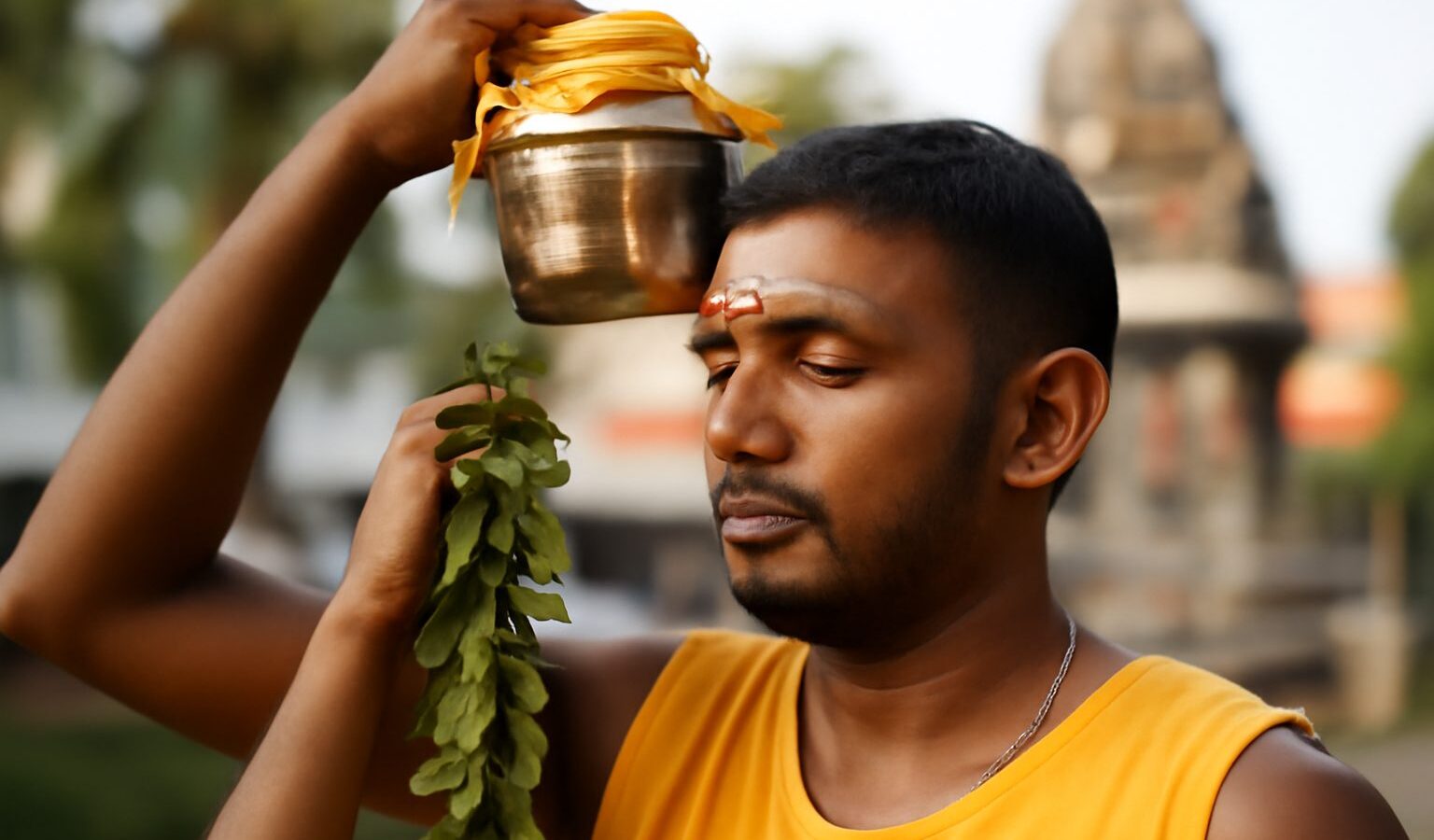
Thaipusam in Singapore is one of the most moving and deeply spiritual observances in the country’s religious calendar. It is a sacred Hindu festival during which devotees undertake acts of faith, penance and thanksgiving, most visibly by carrying kavadi and pots of milk on a long foot procession between temples. For those taking part, it is a profound expression of devotion, often fulfilling a vow made to Lord Murugan. For onlookers, it is a chance to witness extraordinary faith and community spirit, provided it is approached with genuine respect.
This guide explains what Thaipusam is, how the procession unfolds and, most importantly, how to observe it thoughtfully as a visitor. Please remember that this is an act of worship, not a show. The temples and organisers set the route, timings and guidance each year, so always defer to their official information and to the marshals and volunteers on the day.
Understanding the festival
Thaipusam honours Lord Murugan, and the observance centres on devotion, sacrifice and gratitude. In the days and weeks beforehand, devotees prepare through prayer, fasting and abstinence, cleansing the body and mind. On the day itself they carry their offerings on foot from one temple to another, a journey that can be physically demanding and is undertaken as an act of faith and penance.
The offerings take different forms. Many devotees carry paal kudam, pots of milk balanced on the head or shoulders, to be offered at the destination temple. Others bear the kavadi, an ornate structure that rests on the shoulders, sometimes elaborately decorated with peacock feathers, flowers and images of the deity. Some devotees also carry offerings attached to the body. These are borne in a state of prayer and often deep meditation, with family members, friends and volunteers accompanying them, chanting, singing devotional songs and offering support along the way.
It is important to understand the spirit behind these acts. They are undertaken willingly, after spiritual preparation, as a way of honouring a vow or expressing thanks. The atmosphere along the route blends solemn devotion with communal encouragement, as loved ones walk alongside the bearers, keep them cool and cheer them on toward the temple. Devotional music and chanting fill the air, and volunteers offer water and support to those making the journey.
The piercings and offerings that some devotees bear are part of this sacred discipline, carried out with careful preparation and in a meditative state. Rather than viewing them with curiosity or alarm, it is far more fitting to see them as expressions of deep faith and endurance. Understanding this context helps visitors approach the day with the sensitivity it deserves.
Watching with respect
If you wish to observe Thaipusam, the guiding principle is respect. This is a sacred occasion, so behave as you would at any place of worship. Dress modestly, with shoulders and knees covered, and keep your manner quiet and considerate, especially near the temples and the devotees.
Never obstruct the procession or the kavadi bearers. Keep to the sides, stay out of the path, and give devotees and their accompanying groups plenty of room to move. Maintain a respectful distance rather than crowding in for a closer look. If you would like to take photographs, always ask permission before photographing people, and accept graciously if the answer is no. Avoid using flash near devotees who are in prayer, and never treat anyone as a photo prop.
Please follow the marshals, volunteers and temple officials at all times, as they manage the flow of the procession and keep everyone safe. Do not touch the kavadi, the milk pots or the devotees. Keep noise to a considerate level and be mindful of the deeply personal, spiritual nature of what you are witnessing. This is faith and penance in action, and your quiet, courteous presence is the best way to honour it.
The table below sums up the key points of etiquette for visitors.
| Do | Avoid |
|---|---|
| Dress modestly, shoulders and knees covered | Wearing revealing or casual beachwear |
| Keep a respectful distance from devotees | Crowding, touching or blocking the path |
| Ask before photographing any person | Taking close photos without consent |
| Follow marshals and temple volunteers | Ignoring instructions or stewards |
| Stay quiet and considerate near temples | Loud talking, laughing or treating it as a show |
| Move calmly and give way to bearers | Obstructing the procession or the kavadi |
Practical tips for the day
Thaipusam involves a long outdoor procession, so if you plan to observe part of it, prepare for a warm, humid day. Wear light, modest clothing and comfortable shoes, bring water to stay hydrated, and seek shade during the hottest hours. If you are bringing family members, keep young children close and be ready to leave the busiest sections if the crowds feel overwhelming.
Public transport is the sensible way to travel, as roads along the route may be affected and parking near the temples is limited. Plan your journey in advance and allow extra time. If you visit a temple, observe the customs there, remove your shoes where required, and follow any guidance from temple staff.
Because the exact route, timings and any visitor arrangements are confirmed each year by the temples and organisers, check their official announcements before you go rather than relying on assumptions. This ensures you know where you may stand, where facilities are and how best to observe without getting in the way.
Observing a living tradition
Thaipusam is a powerful reminder of the strength of faith and the richness of Singapore’s Hindu community. To witness devotees carrying kavadi and milk pots on their journey of devotion is to see conviction, endurance and gratitude expressed in the most personal of ways. As a visitor, the greatest gift you can offer is your respect, through modest dress, a considerate distance, a quiet manner and a willingness to follow the guidance of those who lead the procession. Approach it in that spirit, defer to the temples for the current details, and you will come away with a deep appreciation for one of the most meaningful observances in Singapore.