
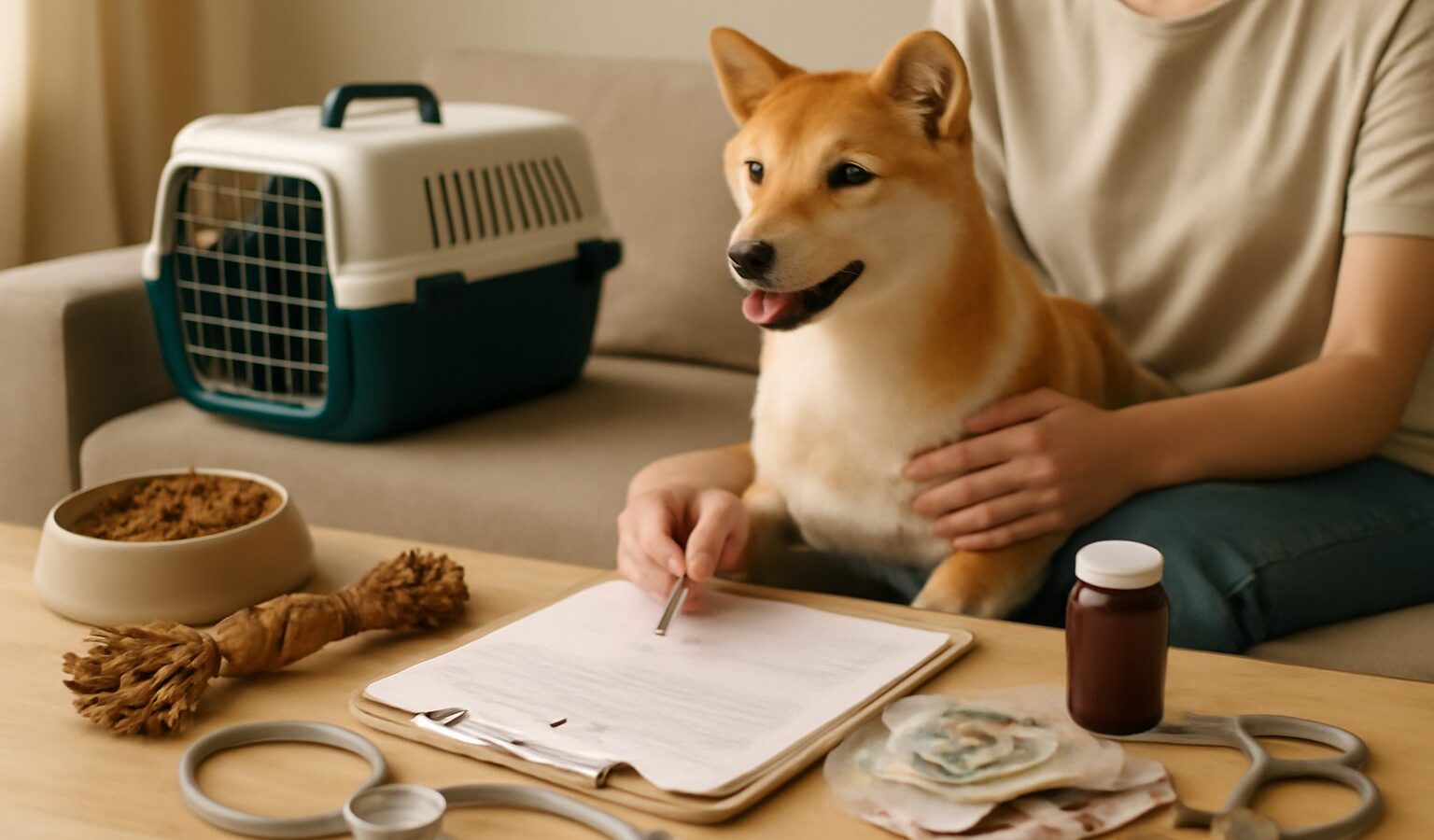
A pet is a joy, and it is also a long financial commitment that is easy to underestimate. The sticker price of adopting or buying an animal is often the smallest part of the picture. The real cost of owning a pet in Singapore is spread across years of food, veterinary care, grooming, boarding and the occasional emergency, and it varies enormously depending on the species, size, breed and health of the animal. This guide sets out the categories to plan for and how to budget sensibly, without ever cutting corners on your animal’s welfare.
A note on numbers: costs shift constantly and depend on your choices and your animal, so we give general guidance rather than exact figures. Treat any prices you see quoted anywhere as a starting point to verify, not a promise.
The One-Off Setup Costs
Before your pet even settles in, there is a round of upfront spending to get the home ready. For a dog or cat this typically includes a bed, crate or carrier, bowls, a collar and leash or a scratching post, grooming basics, toys, and litter or training pads. There may also be initial veterinary work if it is not already done, such as vaccinations, sterilisation and microchipping, plus dog licensing where required.
For smaller animals the setup can be surprisingly significant. A proper enclosure, tank or cage, along with the right substrate, filtration, heating or lighting, can cost more than the animal itself. It is worth pricing the full habitat before committing, because doing it properly the first time is kinder and usually cheaper than fixing a rushed setup later.
Recurring Everyday Costs
These are the predictable costs that show up month after month, and over a pet’s lifetime they add up to far more than any one-off expense.
- Food. The largest ongoing cost for most pets. A larger dog eats far more than a cat or a small pet, and quality varies. Spend enough for good nutrition, since a well-fed animal tends to need the vet less.
- Preventive care. Regular parasite prevention against fleas, ticks, heartworm and worms, which matters year-round in our tropical climate.
- Grooming. Some coats need professional grooming every few weeks; others you can manage at home. Long or double coats cost more to maintain.
- Litter, bedding and consumables. Ongoing supplies that quietly recur.
- Boarding or pet care when you travel. Someone has to look after the animal when you are away, whether that is a boarding facility, a sitter or a trusted friend.
Because these scale with the size and needs of the animal, a large, long-coated dog can cost several times what a small, low-maintenance pet does over the same period.
Veterinary and Health Costs
Veterinary care is the category people underestimate most, and the one that protects your animal’s welfare the hardest. Routine care includes annual or regular check-ups, vaccinations following your vet’s recommended schedule, dental care and parasite prevention. This is general information and not veterinary advice, so follow the guidance of a licensed vet for your own animal, since schedules and needs vary.
Then there are the costs you cannot predict. Accidents, sudden illness, chronic conditions and the extra needs of senior pets can all lead to significant bills. Watch for red-flag signs that need urgent veterinary attention, such as difficulty breathing, collapse, repeated vomiting, refusal to eat or drink, signs of severe pain, or a swollen, hard abdomen. Do not wait these out; get to a vet.
Pet insurance is one way to manage the risk of large bills. It is general information here, not financial advice. Policies differ in what they cover, and you should compare coverage limits, exclusions, how pre-existing conditions are treated, and deductibles or co-payments, then verify the current terms directly with the insurer. Insurance is not the only answer, but for some households it turns an unpredictable emergency into a manageable monthly cost.
Planning for the Unexpected
The single best habit a pet owner can build is a dedicated emergency fund. Set aside a regular amount into savings earmarked only for your animal, so that a sudden illness or accident becomes a decision about care rather than a decision about money. Even a modest buffer, built up steadily, takes the pressure off when it matters most. Many owners use a combination of an emergency fund and insurance rather than relying on either alone.
Here is a simple way to picture where the money goes:
| Cost category | What it covers | What to keep in mind |
|---|---|---|
| One-off setup | Enclosure or bed, carrier, bowls, initial vet work, licensing | Get it right once; smaller pets can need pricey habitats |
| Food | Daily nutrition | Scales sharply with size; quality supports health |
| Preventive care | Parasite prevention, check-ups, vaccinations | Ongoing and year-round in our climate |
| Grooming | Coat, nails, hygiene | Long or double coats cost more |
| Boarding and travel care | Cover while you are away | Book ahead around holidays |
| Insurance | Help with unexpected bills | Compare terms; verify with the insurer |
| Emergencies | Accidents, illness, senior-pet needs | Unpredictable; this is why you save |
Saving Money Without Cutting Welfare
Being cost-conscious and being a good owner are not in conflict. The trick is to trim spending in ways that do not touch your animal’s health or comfort.
- Invest in prevention. Parasite control, dental care and good food are cheaper than treating the problems they prevent.
- Buy durable, not disposable. A well-made enclosure or carrier outlasts several flimsy ones.
- Learn basic grooming and home care. Nail trims, brushing and simple upkeep between professional visits reduce the bill.
- Do not skip check-ups. Catching issues early is almost always cheaper than treating them late.
- Compare, but never on the essentials. Shop around for supplies and services, but never economise on veterinary care, nutrition or a safe environment.
- Adopt rather than buy where you can, since shelter animals often come already sterilised, vaccinated and microchipped.
Owning a pet in Singapore is absolutely affordable for a household that plans ahead, but it rewards honesty about the numbers. Add up the categories above for the specific animal you have in mind, build in a buffer for the unexpected, and you give your pet the thing it needs most: an owner who can care for it properly for its whole life.
Explore More
To go deeper on the biggest variables, read our guides on pet insurance in Singapore and choosing pet food in Singapore, two areas where a little planning protects both your budget and your pet’s welfare.