
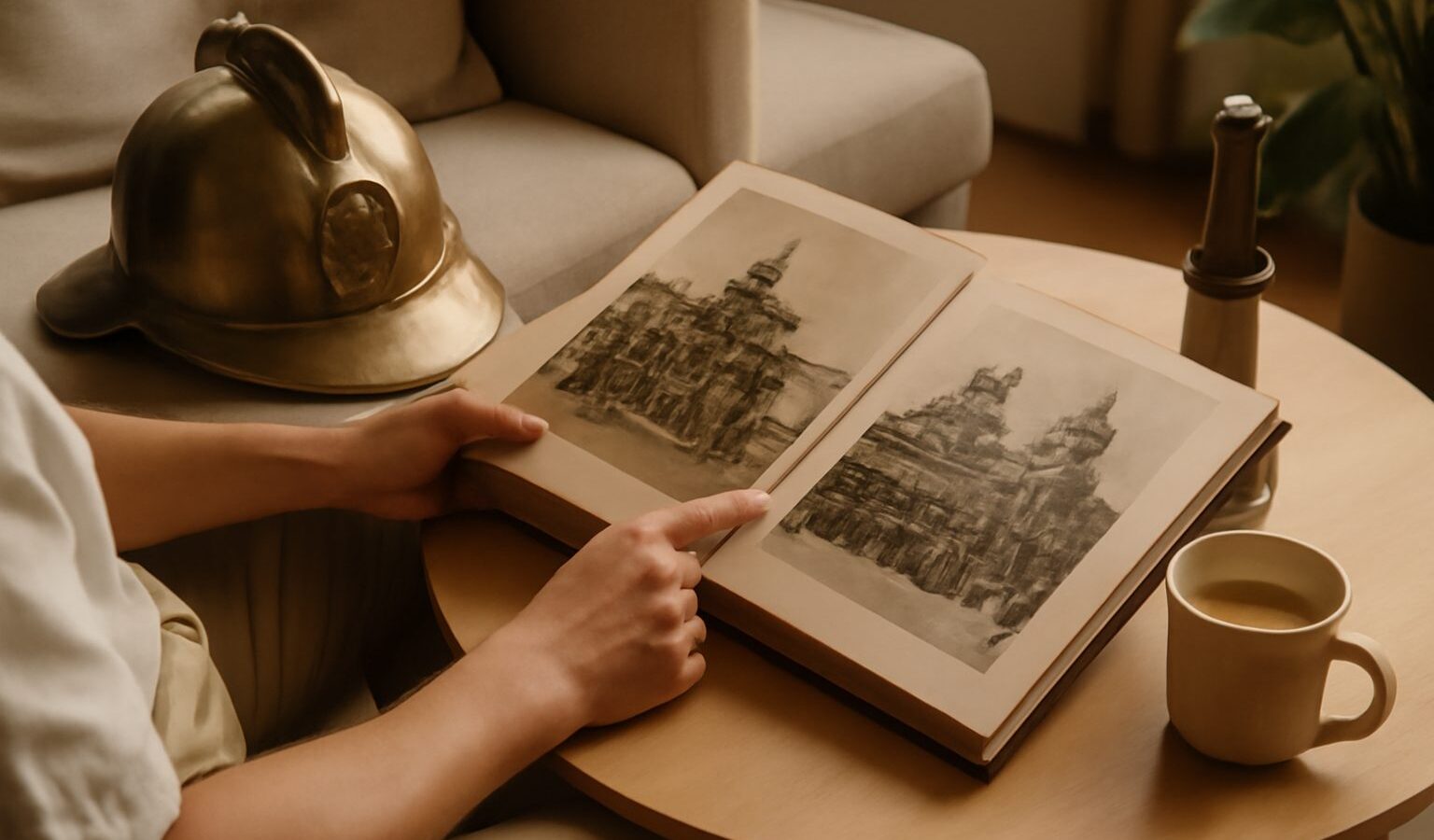
Fire was one of the great dangers of early Singapore. In a busy port packed with timber shophouses, warehouses of goods and open cooking flames, a single blaze could sweep through a whole street before help arrived. The story of the Singapore fire service is, in large part, the story of a growing city learning to protect itself, and its most famous landmark, the red and white Central Fire Station, still stands as a proud symbol of that heritage. Tracing the Singapore fire service history reveals how firefighting grew from scattered volunteers into a modern, professional force.
Firefighting heritage is easy to overlook, yet it touches the daily life of everyone in the country. Behind the calm of a modern city lies generations of hard-won knowledge about how to prevent fires, how to fight them, and how to rescue people caught in danger. The old stations, engines and traditions that survive today are reminders of that long effort.

From Volunteers to a City Brigade
In the port’s earliest decades, fighting fires was a rough and improvised affair. There was no full-time brigade, and residents, merchants and the authorities relied on whoever could be mustered when the alarm was raised. Buckets, hand-worked pumps and sheer manpower were the main tools, and water had to be drawn from wells, tanks or the sea. Fires spread quickly among the closely built shophouses, and the loss of goods and homes could be devastating.
As the settlement grew, so did the recognition that this could not continue. Over time more organised arrangements took shape, with volunteer fire brigades and, eventually, a properly funded municipal fire service supported by the town authorities. Equipment improved from hand pumps to steam-powered engines, and later to motorised appliances, while a network of water supplies and hydrants made it possible to fight fires more effectively. Full-time, trained firefighters gradually replaced the earlier reliance on volunteers, though volunteers continued to play a valued part for many years.
The centrepiece of this new professionalism was the Central Fire Station on Hill Street, with its striking facade of red brick and white plaster bands, a pattern that gave it a nickname among locals. Opened in the early twentieth century, it was for its time a thoroughly modern base, complete with a lookout tower from which watchmen could scan the town for smoke and raise the alarm. The station housed the firemen and their engines and served as the heart of the service for generations. It remains one of the oldest fire stations in the country still in use, and part of it now also serves as a heritage gallery telling the story of firefighting here.
If you enjoy tracing the city’s civic landmarks, the fire station sits within a rich cluster of historic public buildings, a theme explored in our wider writing on Singapore’s heritage and multiracial society and the shared institutions that grew alongside it.
Modernisation and Firefighting Heritage Today
The middle and later decades of the twentieth century brought steady modernisation. As Singapore grew from a colonial port into a densely built modern city, the demands on the fire service multiplied. High-rise flats, industrial estates, chemical plants and reclaimed land all posed new hazards, and the service had to grow and specialise to meet them. Firefighting expanded to include rescue work of many kinds, from road accidents to industrial emergencies, and later the handling of hazardous materials.
Over the years the service was reorganised and eventually brought together with emergency medical and civil defence functions into the broader body responsible for these duties today. This reflected a wider understanding that protecting the public meant more than putting out fires, as it also meant rescuing the trapped, treating the injured, and preparing the population for emergencies of every sort. Community education became a major part of the work, teaching families how to prevent fires at home and what to do when one breaks out.
Training and equipment advanced in step. Modern appliances, breathing apparatus, hydraulic rescue tools and specialised vehicles replaced the simple engines of earlier days, and firefighters trained for a far wider range of scenarios. Yet even as the service modernised, it kept faith with its traditions. Ceremonial parades, the careful preservation of old engines and stations, and the honouring of past service all keep the heritage visible.
That heritage is not only about buildings and machines. It is about the people who ran into danger while others ran away, the watchmen in the tower scanning for smoke, and the crews who worked through the night to save homes and lives. Their courage set a standard that the modern service still upholds. Preserving the old Central Fire Station and its gallery ensures that these stories are not forgotten, and that new generations understand how their safety was built.
For residents and visitors alike, the firefighting story offers a different window into Singapore’s past. It shows a city that faced a constant threat and answered it with organisation, discipline and care. Standing before the red and white station on Hill Street, it is easy to appreciate how far the service has come, from bucket lines in a timber port to a modern force protecting millions. The building endures as a landmark of civic pride and a monument to a long tradition of service, one well worth pausing to remember.
Frequently Asked Questions
Can I visit the old Central Fire Station on Hill Street? Part of the station now serves as a heritage gallery telling the story of firefighting here, and it remains one of the oldest fire stations in the country still in use. Because it is a working station, check current visiting arrangements before you go.
What was the lookout tower at the fire station for? Watchmen climbed the tower to scan the town for smoke and raise the alarm. In an age before modern communications, it made the station a thoroughly modern base for its time, helping crews respond to blazes among the closely built shophouses.
How did early firefighters get water to a blaze? They relied on buckets, hand-worked pumps and sheer manpower, drawing water from wells, tanks or the sea. Later steam-powered engines, motorised appliances and a network of water supplies and hydrants made fighting fires far more effective.
Why did shophouse fires spread so quickly in early Singapore? The port was packed with timber shophouses, warehouses of goods and open cooking flames, so one blaze could sweep through a whole street before help arrived. With no full-time brigade, the response depended on whoever could be mustered when the alarm sounded.
What does the fire service do apart from putting out fires? Over time the work grew to include rescue of many kinds, from road accidents to industrial emergencies, and handling hazardous materials. The service was brought together with emergency medical and civil defence functions, and community education on preventing home fires became a major part of its role.
Further reading: The Bukit Ho Swee Fire and Public Housing in Singapore