
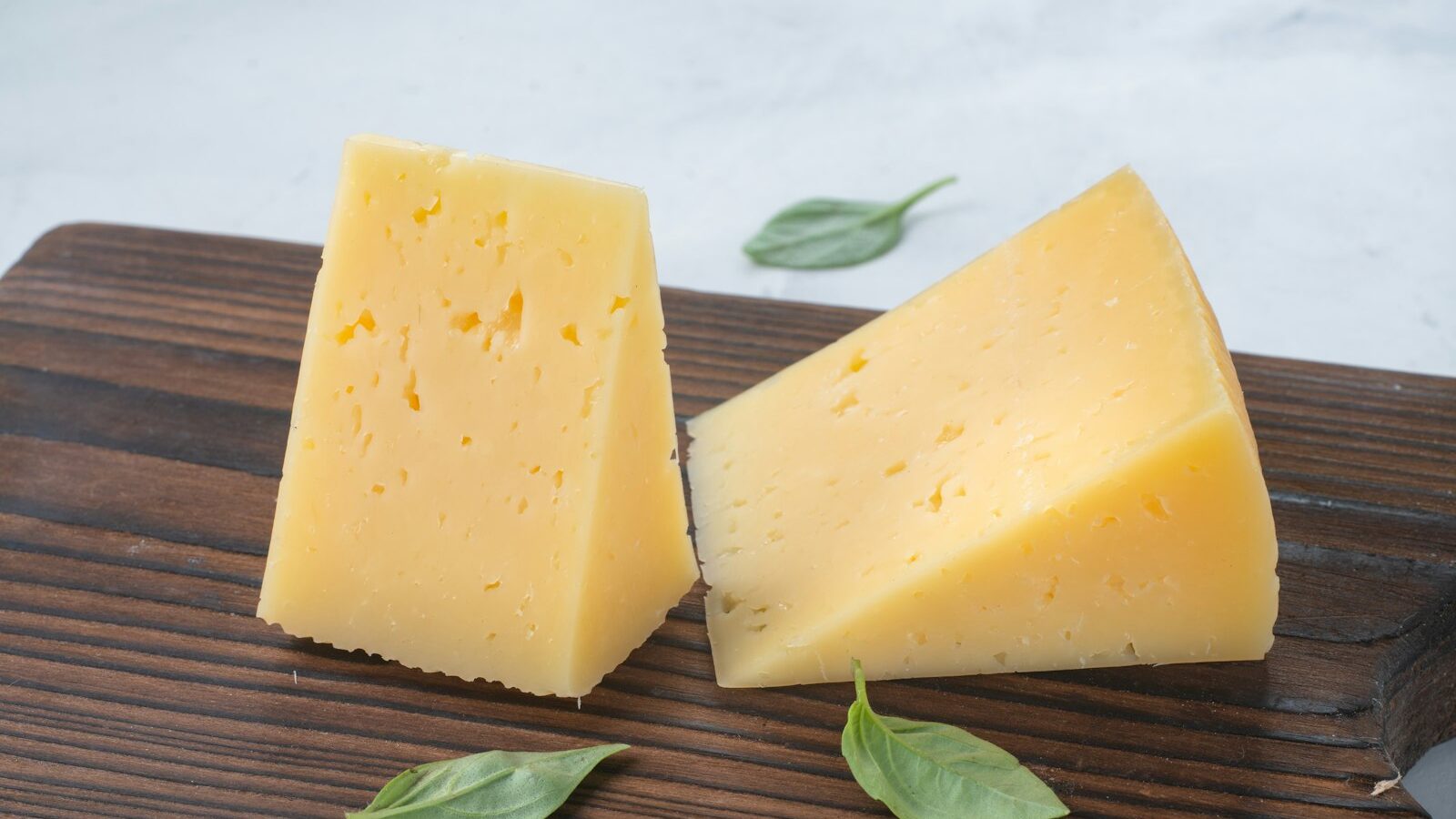
Some tasks are so big that just looking at them makes you want to close the laptop and scroll your phone instead. Filing your taxes, writing a report, planning a wedding, decluttering the whole flat. The swiss cheese method is a simple idea for exactly these moments. Instead of waiting for a clear block of time to do the whole thing, you poke small holes in the task whenever you get a spare few minutes, until the big block of work looks more like a slice of swiss cheese, full of gaps. Eventually there is more hole than cheese, and finishing feels within reach.
The name is usually credited to writing on time management, and the point is not the metaphor. The point is that big tasks rarely stall because they are hard. They stall because they feel shapeless and heavy, and we keep waiting for the perfect conditions that never quite arrive.

Why Big Tasks Feel So Heavy
When a task is large and vague, your brain treats it as one giant lump. There is no obvious first move, so starting feels risky, and you delay. On a busy Singapore schedule, with long hours and a packed MRT commute, the delay compounds. You tell yourself you will do it “when you have time”, but a big clear block of free time is a rare thing.
The swiss cheese method flips the logic. You stop waiting for a big block and start using the small ones. Five minutes before a meeting, ten minutes on the train, a quiet moment after dinner. Each of these is enough to poke one hole. None of them is enough to feel intimidating, which is the whole point.
How to Poke Holes in the Task
The method works best when you make each hole small and specific. A hole is any tiny action that moves the task forward, even slightly.
- Open the document and write one messy sentence.
- Find the one form you need and put it on your desk.
- Send the single email that unblocks the next step.
- List three things the task will involve, nothing more.
- Sort one drawer, not the whole cupboard.
Notice that some holes are not even the “real work”. Gathering, opening, listing, and asking are all holes. They reduce the friction so the next session starts faster. This connects closely to the two minute rule for getting started, where the goal is simply to lower the barrier to beginning.
A useful habit is to always leave a small hole half-poked. When you stop, jot down the very next tiny action. Next time you sit down, you do not have to think, you just pick up where the note points. This removes the restart cost that kills momentum.
Fitting It Into a Real Singapore Week
You do not need a system to use this method, but a light structure helps. Keep a running note on your phone with the big task at the top and a short list of possible holes underneath. Whenever a gap appears in your day, glance at the list and poke one hole.
Because the holes are tiny, they slip into places a big task never could. Waiting for the kettle. The ten minutes before a Zoom call connects. The bus ride home. Over a week, these scraps of time add up in a way that surprises people. If you find your days are a blur of small gaps, it can help to first understand where your energy goes, which is where learning to manage your energy, not just time comes in.
The swiss cheese method also pairs well with breaking work down. If your task is genuinely huge, spend one early hole simply mapping it out, which is the heart of how to break big goals into steps. Once you can see the shape of it, the holes become obvious.
When to Use It, and When Not To
Be honest with yourself about when this method fits. It shines for tasks that are large, low on urgency, and easy to avoid. It is less suited to work that genuinely needs a long, unbroken stretch of deep concentration, such as complex analysis or serious creative work. For those, protecting a proper block of focused time serves you better, and switching in and out too often just fragments your attention. If your day is full of interruptions already, be careful not to add more, and consider how to reduce context switching alongside this approach.
Used well, though, the swiss cheese method quietly dismantles the tasks that have been sitting on your list for weeks. There is no hype here and no promise of overnight transformation. Change is gradual, and some days you will only poke one small hole. That is still progress. The task that felt impossible on Monday can, by the following week, be mostly holes and almost done.
Start with the task you have been avoiding the longest. Do not try to finish it. Just poke one hole today, write down the next one, and let the gaps do the rest. Big things get done not in one heroic sitting, but in a hundred small, forgettable moments that you actually used.
Frequently Asked Questions
How small should a hole in the Swiss cheese method be? Small enough to fit into five or ten spare minutes without feeling intimidating, such as writing one messy sentence or sorting one drawer. Even gathering, opening, listing and asking count. Tiny is the whole point.
What if I only manage one small hole in a day? That still counts as progress, and the article says some days will be exactly that. Write down the next tiny action before stopping, so you can restart easily. Over a week the scraps add up.
Is the Swiss cheese method suitable for tasks needing deep focus? Not really. Complex analysis or serious creative work usually needs a long, unbroken stretch, and switching in and out fragments your attention. Use the method for large, low-urgency, easy-to-avoid tasks and protect proper blocks for deep work.
How do I start when a big task feels shapeless? Spend one early hole mapping it out, listing three things it will involve. Once you can see the shape, the next holes become obvious. Do not try to finish it in one go.
Where can I find spare minutes in a busy day? Look at the gaps like the five minutes before a meeting, the MRT ride, waiting for the kettle or after dinner. Keep a running note on your phone with possible holes so you can pick one instantly. Small slots are what the method uses.
Further reading: The Getting Things Done Method Explained