
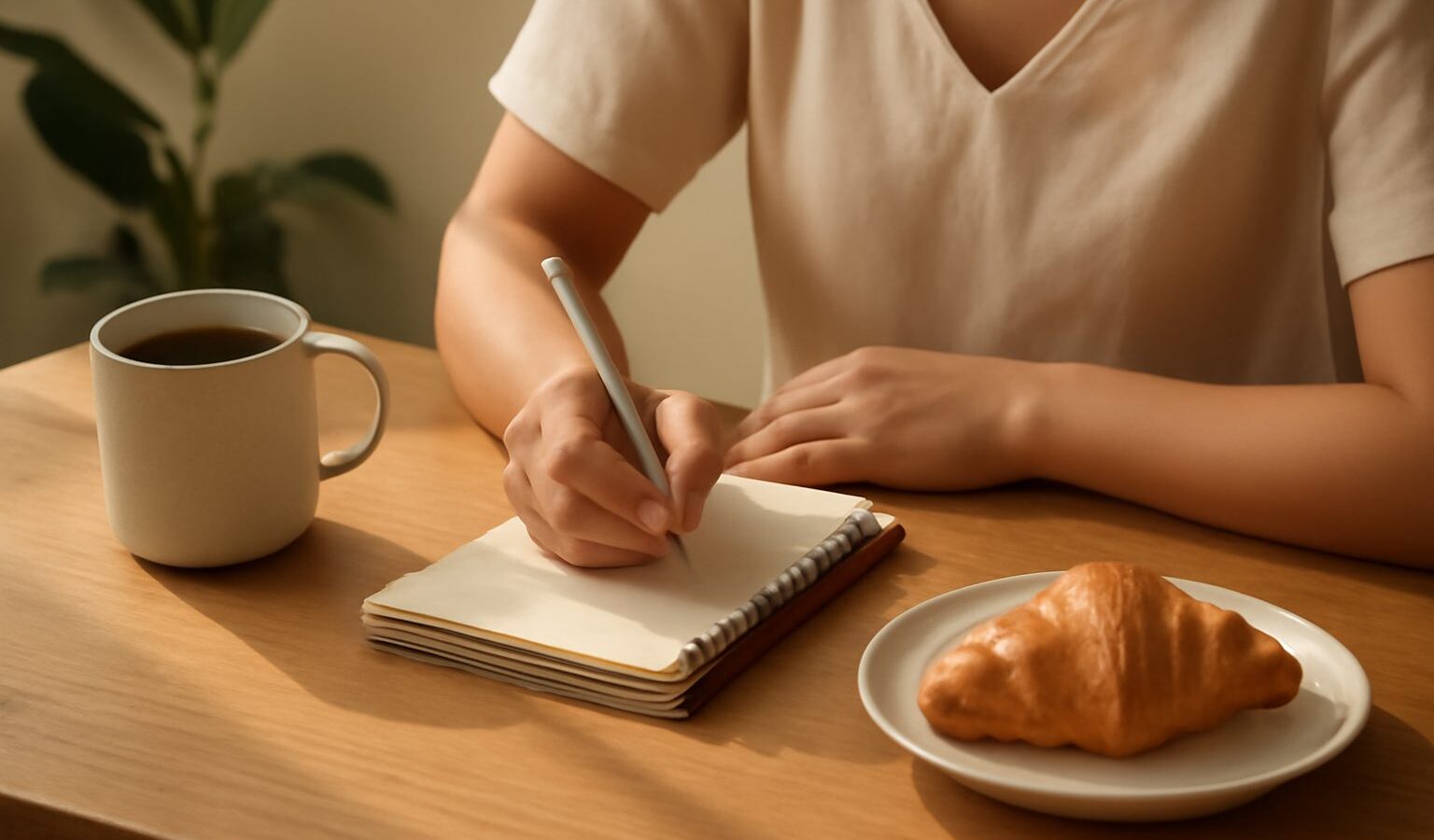
If your to-do list has grown into a long, guilt-inducing scroll, the ivy lee method offers a gentle way out. It is one of the oldest productivity ideas around, and its charm is that it asks for almost nothing. No app, no colour coding, no new system to learn on a Sunday night. You just need a pen, a scrap of paper, and five quiet minutes at the end of the day. In a city where the messages never really stop and the commute eats into your mornings, that simplicity is the whole point.
This guide explains what the method is, how to run it step by step, why it works, and how to fit it around real Singapore life. It is general self-improvement information, not professional advice, so treat it as a starting point and keep what suits you.
What The Ivy Lee Method Actually Is
The idea is often traced back roughly a century, to a consultant advising a busy business owner. Whether every detail of that story is exact matters less than the routine itself, which has survived because it is so easy to repeat.
Here is the whole method in one breath. At the end of each working day, write down the six most important things you need to get done tomorrow. No more than six. Then order them by real importance, one to six. The next day, start at number one and stay with it until it is finished before moving to number two. Work down the list in order. Anything you do not finish rolls over to tomorrow’s fresh list of six.
That is it. There is no clever scoring formula and no category system. The power sits in three small constraints: a hard limit of six, a forced ranking, and a rule that you finish before you jump ahead.
How To Run It Step By Step
You can start tonight. Try it for a full working week before you judge it, because the first day or two always feels slightly strange.
- Pick your moment. At the close of the day, before you switch off, take five minutes. Doing it the night before is deliberate, because your mind then quietly settles the plan while you rest, and tomorrow you begin without dithering.
- Write six tasks, no more. List the six most important things for tomorrow. If ten things are shouting at you, the discipline is choosing which four can wait. That choice is the work.
- Make them real and finishable. “Sort out the report” is vague. “Draft the report introduction and send to Wei for review” is a task you can actually complete and tick off.
- Rank one to six by honest importance. Not by what is easiest or most fun, but by what would matter most if the day got cut short. Number one should be the thing you would be relieved to have done.
- Tomorrow, start at one. Open number one and give it your attention until it is done. Only then move to two. Resist the pull to cherry-pick the small, satisfying jobs first.
- Roll the rest over. Whatever is left at day’s end simply joins tomorrow’s six. Do not treat it as failure. A list you do not finish is normal, not a mark against you.
Why Such A Simple Method Works
The method quietly solves several everyday problems at once, which is why people keep returning to it.
It removes morning decision fatigue. Deciding what to do is itself tiring, and doing it first thing, when you are fresh, wastes your best energy. By choosing the night before, you arrive at your desk and simply begin.
It forces genuine prioritisation. A list of twenty items has no priorities, because everything looks equally urgent. Capping it at six means you must decide what truly counts. That single act of choosing is where most of the value lives.
It protects single tasking. In an always-on messaging culture, the temptation is to keep ten tabs of attention open at once. The finish-before-you-move rule pushes you back towards doing one thing properly, which is usually faster and far less draining than juggling.
It ends the day with a clear head. Writing tomorrow’s plan is a way of putting the day down. Instead of lying in bed running through what you might forget, you have parked it on paper, and you can rest.
Ivy Lee Compared To Other Ways Of Planning
It helps to see where this method sits next to other common approaches, so you can pick the right tool for the moment.
| Approach | How it plans your day | Best when |
|---|---|---|
| Ivy Lee method | Six ranked tasks, done strictly in order | You feel scattered and want a calm, single focus |
| Long open to-do list | Everything captured, nothing ranked | You need to empty your head, not decide priorities |
| Time blocking | Tasks slotted into fixed clock times | Your day has meetings and hard deadlines to honour |
| Just winging it | React to whatever shouts loudest | Rarely helpful; urgent noise crowds out what matters |
Notice that these are not rivals so much as different gears. Many people capture everything on a running list, then each evening pull the six that matter into an Ivy Lee list for the next day. The two fit together neatly.
Fitting It Into A Singapore Week
Real weeks are messy, and the method bends more than you might expect.
If your job is meeting-heavy, count preparation and follow-up as tasks rather than pretending the whole day is free. Your six might be smaller, and that is fine. On a packed day, three genuine tasks completed beats six half-started ones.
Use your commute. The MRT ride home is a natural slot to write tomorrow’s six on your phone or a notebook, so the plan is done before you reach your flat and the evening rush of dinner and family begins.
Keep work and home separate if it helps. Some people run one list for the office and a tiny two or three item list for personal life, so buying a birthday gift or booking a clinic appointment does not get lost behind work tasks.
Do not chase perfection. Some evenings you will forget entirely. The method is a habit, and habits take weeks to settle, not days. Missing a day is not a reason to abandon it; just write your six again tomorrow.
When It Is Not The Right Fit
Honesty matters, because no single method suits everyone all the time. If your work is almost entirely reactive, such as a support role where the next task arrives by the minute, a rigid ranked list will fight your reality. In that case, keep an Ivy Lee list only for the one or two proactive things you want to protect from the flood.
If six items feels like too many on a heavy week, use three. If you find you never reach items five and six, that is useful feedback: you are probably overestimating what a day holds, which almost all of us do. Shrink the list and let the wins build your confidence.
The ivy lee method will not transform your life overnight, and it does not promise to. What it offers is quieter and more durable: a way to walk into each day already knowing your first move, and to finish it without that low hum of dread about what you forgot. Give it a proper week, adjust the number to fit your life, and let the small daily habit do its slow work.
Explore more: pair this with the 1-3-5 rule for daily tasks for a slightly different shape, try timeboxing your tasks when your day is full of meetings, and build a weekly review habit so your daily six always point at what really matters.